

Queen Elizabeth National Park
Uganda's most diverse savannah destination — tree-climbing lions, a Kazinga Channel boat cruise, and the snow-capped Rwenzoris on the horizon.
Uganda's Most Diverse Savannah Destination
Welcome to Queen Elizabeth National Park, Uganda's most diverse and iconic savannah destination. Located in the western part of the country, this remarkable park stretches from Lake Edward to Lake George and is framed by the snow-capped Rwenzori Mountains. Whether you're tracking lions through golden grasslands, cruising past hippos on the Kazinga Channel, or spotting tree-climbing lions in Ishasha, Queen Elizabeth offers a safari experience unlike any other in East Africa.
The park was originally established in 1952 as Kazinga National Park and renamed the following year to commemorate a visit from Queen Elizabeth II. Its landscape includes savanna, wetland, crater lakes, forest, river systems and lakeshore habitat — a combination that gives it one of the highest mammal counts of any park in Africa, with more than 95 species recorded.
Explore Queen Elizabeth on the Map
Tap a marker to see gates, the Kazinga Channel and key landmarks. The soft shaded glow shows roughly where the park sits — not an exact outline — including the detached Ishasha sector far to the south.
Map Layers
Legend
Savanna, Water, Forest and Crater
Few parks in Africa pack this much habitat variety into one place. That range is exactly why Queen Elizabeth rewards a multi-day stay rather than a single game drive.
The Kazinga Channel
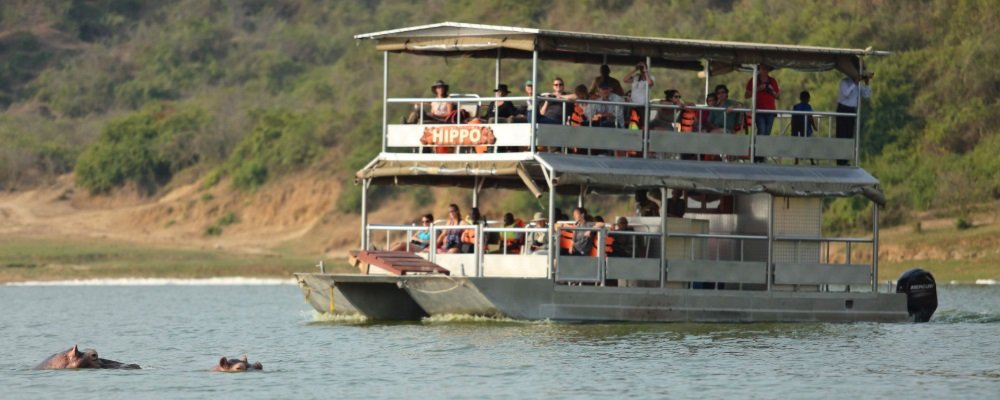
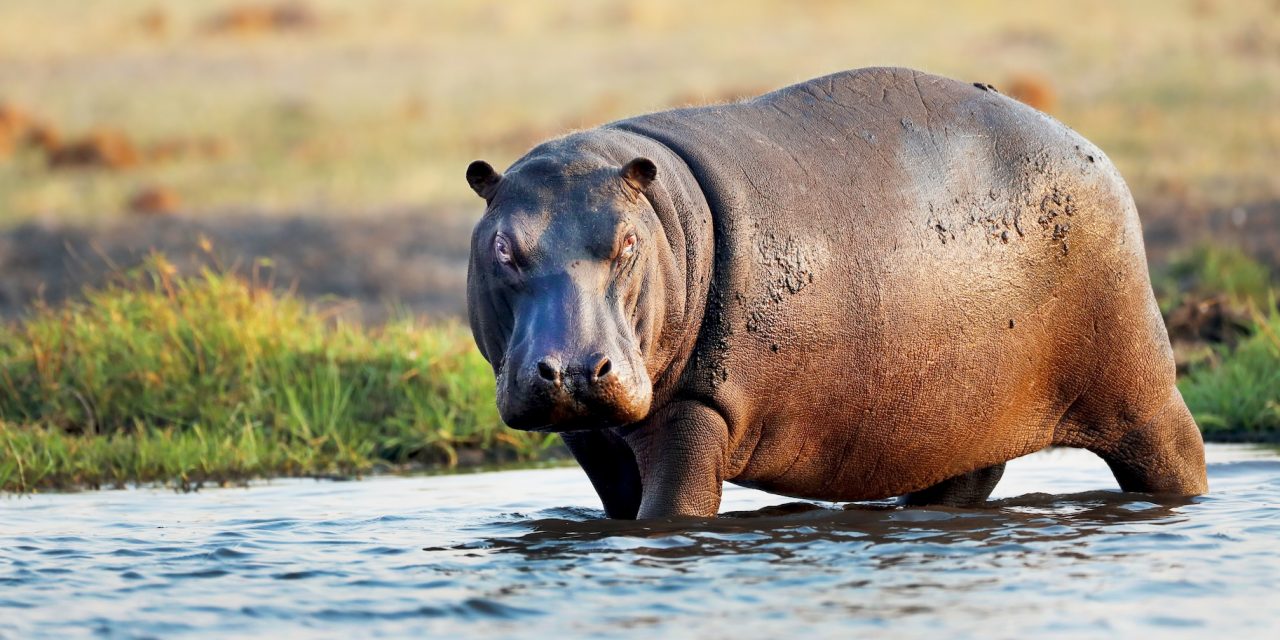
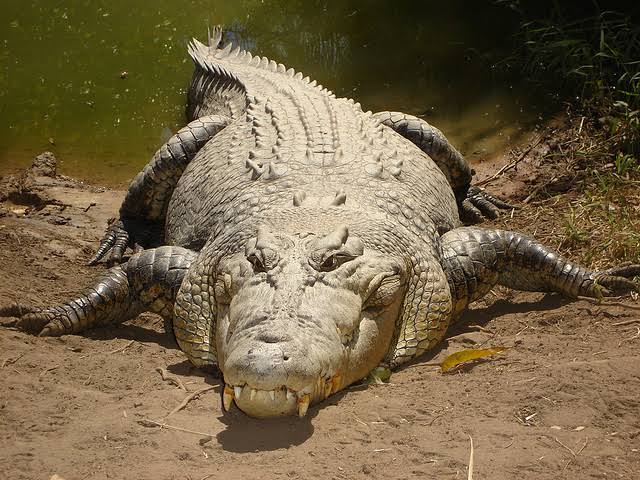
A natural 32km channel linking Lake Edward and Lake George, and one of the highest concentrations of hippo and Nile crocodile anywhere in Africa. The boat cruise here is the park's signature activity.
Ishasha Sector
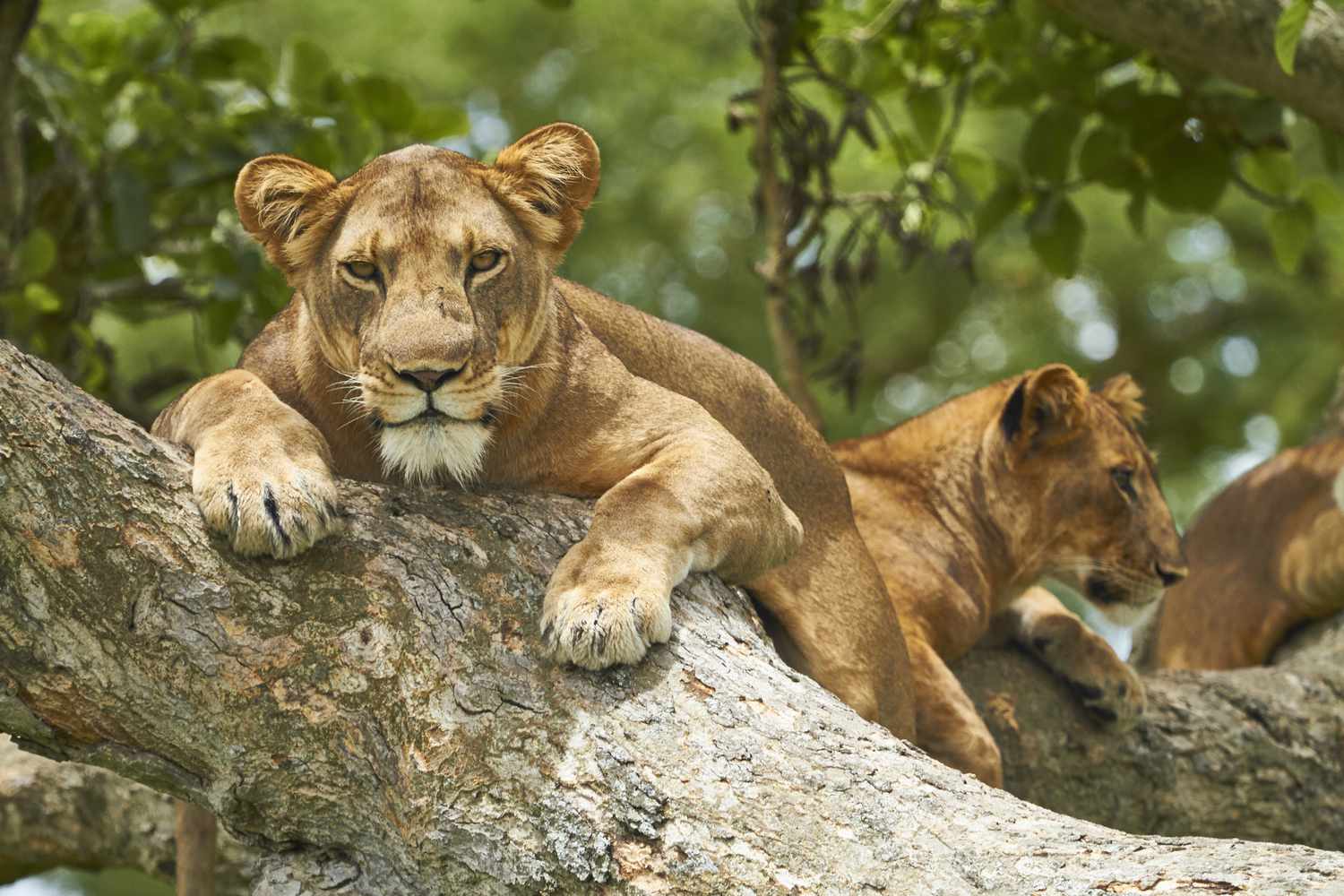
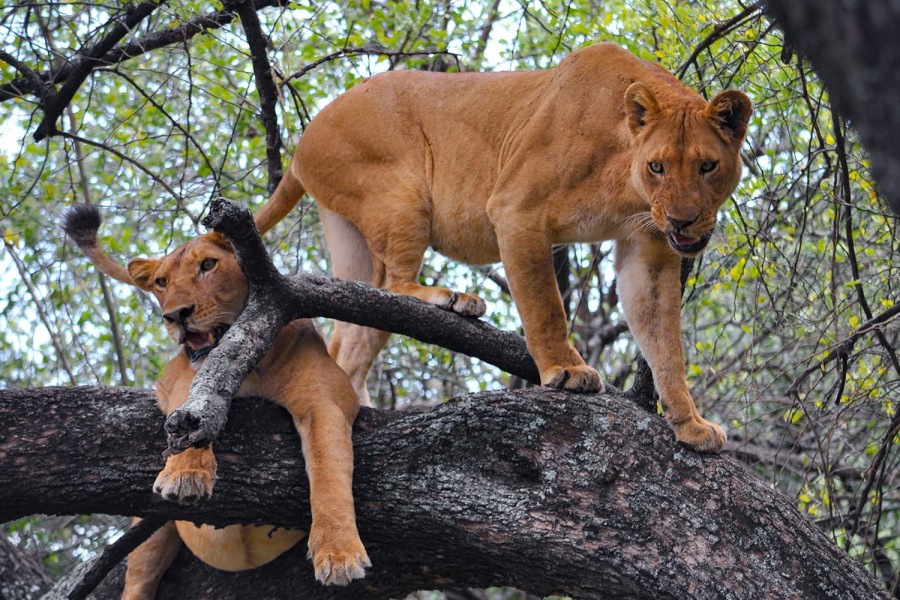
The park's southern sector, famous for lions that climb into the branches of fig trees to rest during the heat of the day — a behavior found in only a handful of places on Earth.
The Crater Lakes
A scattering of volcanic crater lakes near Katwe and Kasenyi, framed by the Rwenzori Mountains — a scenic, quieter counterpoint to the open savanna.
A Boat Cruise on the Kazinga Channel
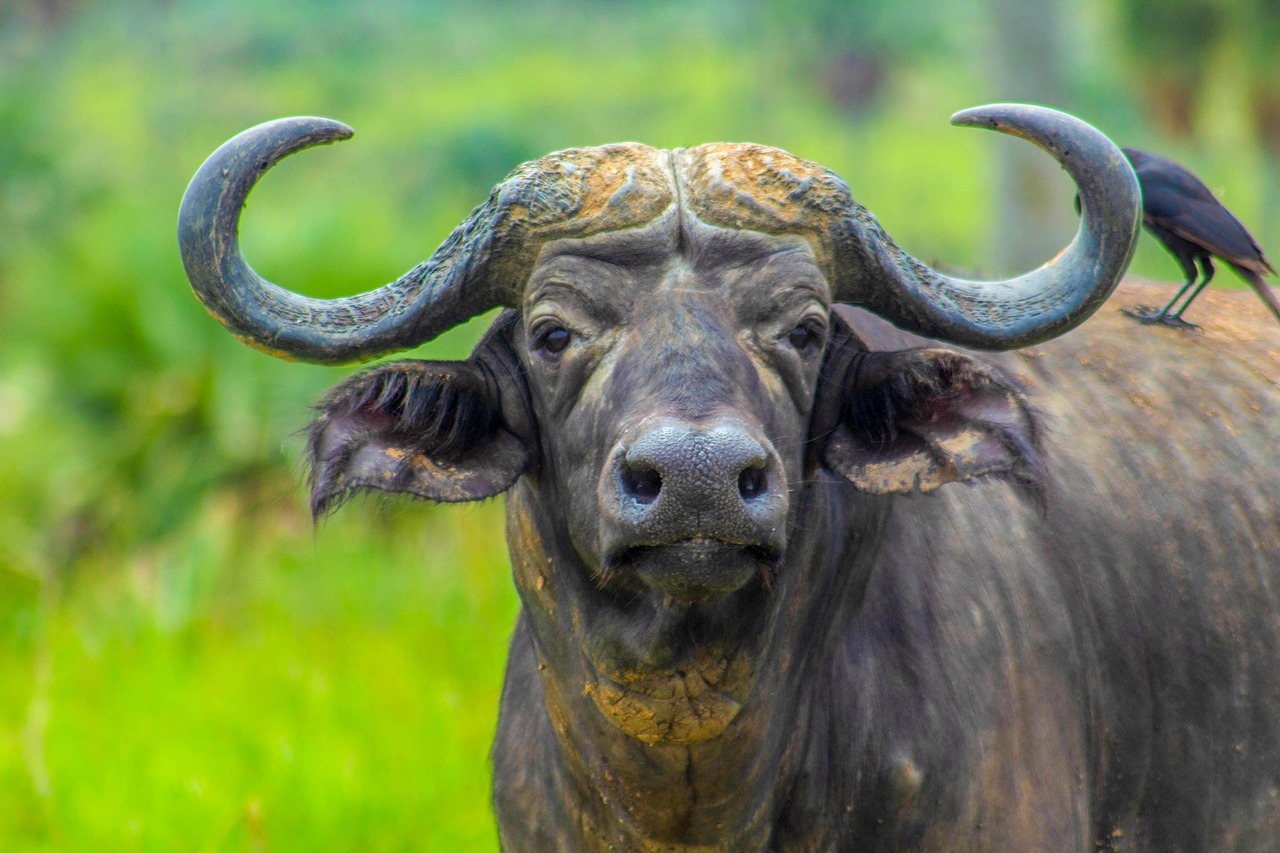
The Kazinga Channel forms the ecological heart of the park, supporting one of the highest concentrations of wildlife in Africa. A boat cruise along its banks reliably delivers hippo, buffalo, elephant and a long list of waterbirds at close range — often in a single two-hour outing, making it one of the most efficient wildlife experiences anywhere in East Africa.
Ishasha's Tree-Climbing Lions
Tucked in the park's remote southern Ishasha sector, Queen Elizabeth is one of only a few places in Africa where lions regularly climb trees — often found draped along the branches of the sector's distinctive fig trees, likely seeking relief from heat and biting insects on the ground below. Ishasha is quieter and more remote than the park's northern sectors, rewarding visitors willing to make the extra drive.
When to Visit, Month by Month
Queen Elizabeth is a strong year-round destination, but the dry months bring the easiest game-drive conditions and the most reliable big-game viewing.
Excellent game viewing
Excellent game viewing
Rains build
Wettest month
Rains taper
Dry season begins
Peak game viewing
Excellent visibility
Dry season winds down
Short rains begin
Green season, fewer visitors
Dry season returns
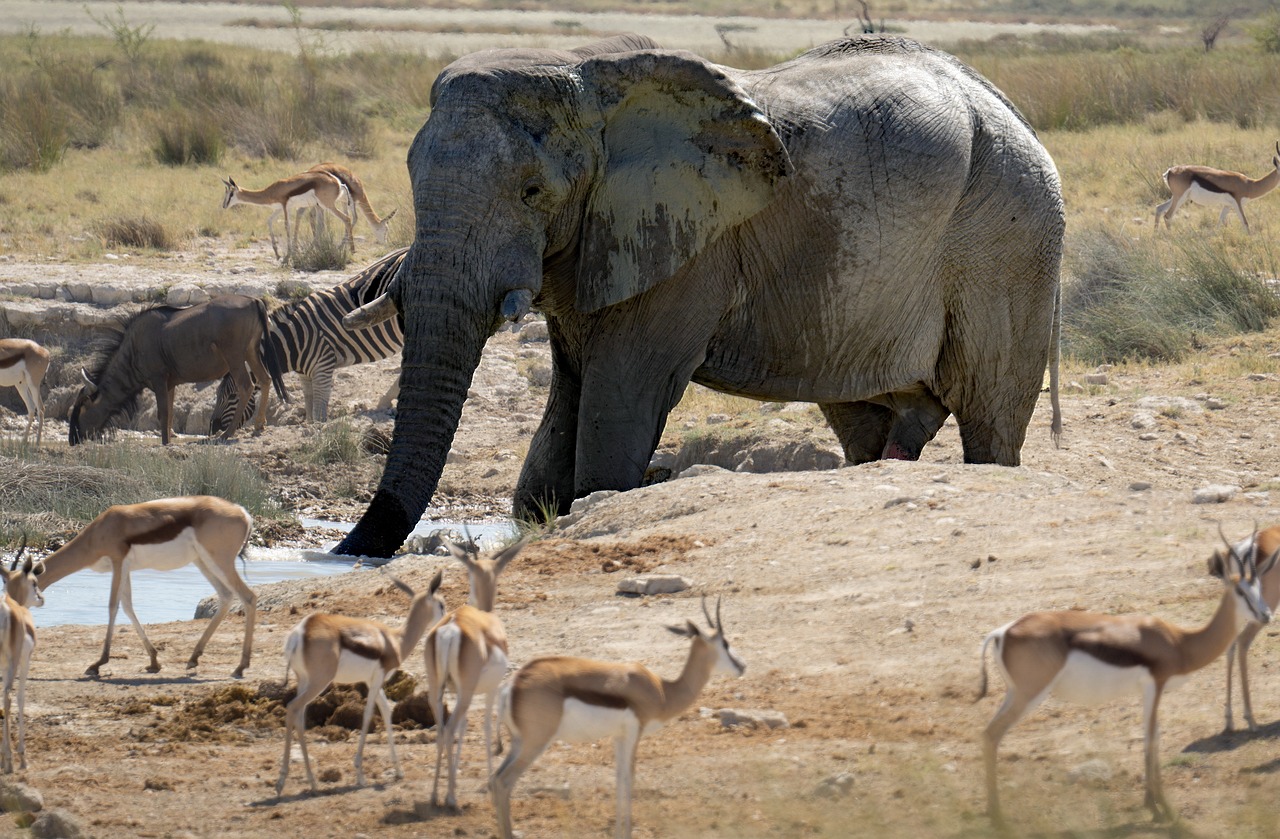
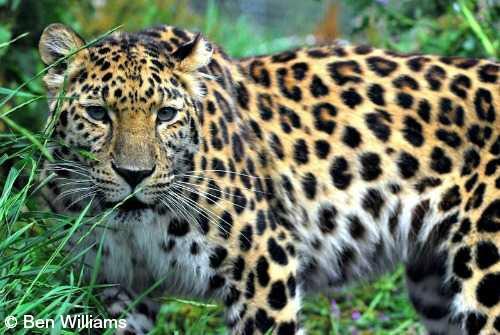
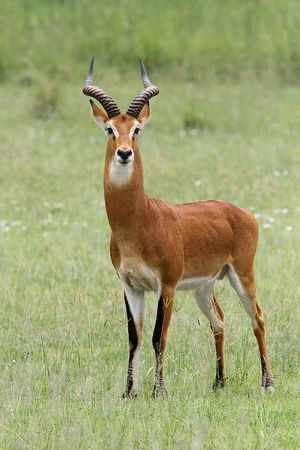
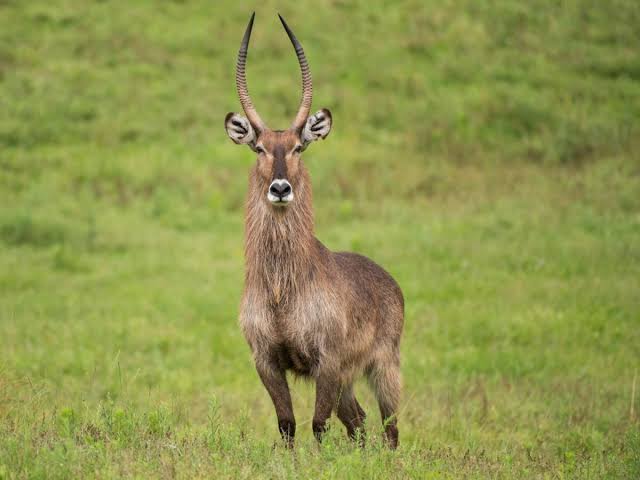
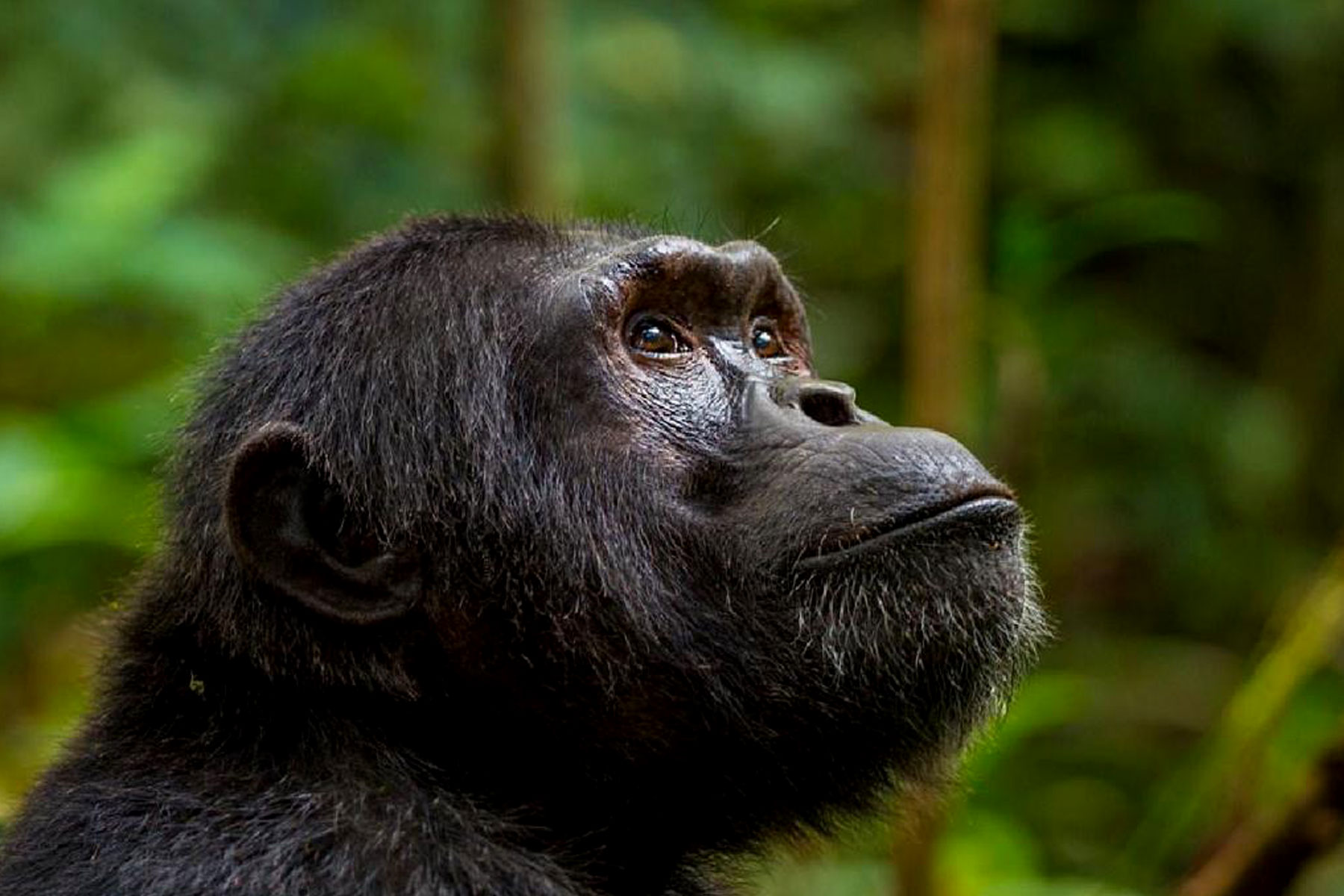
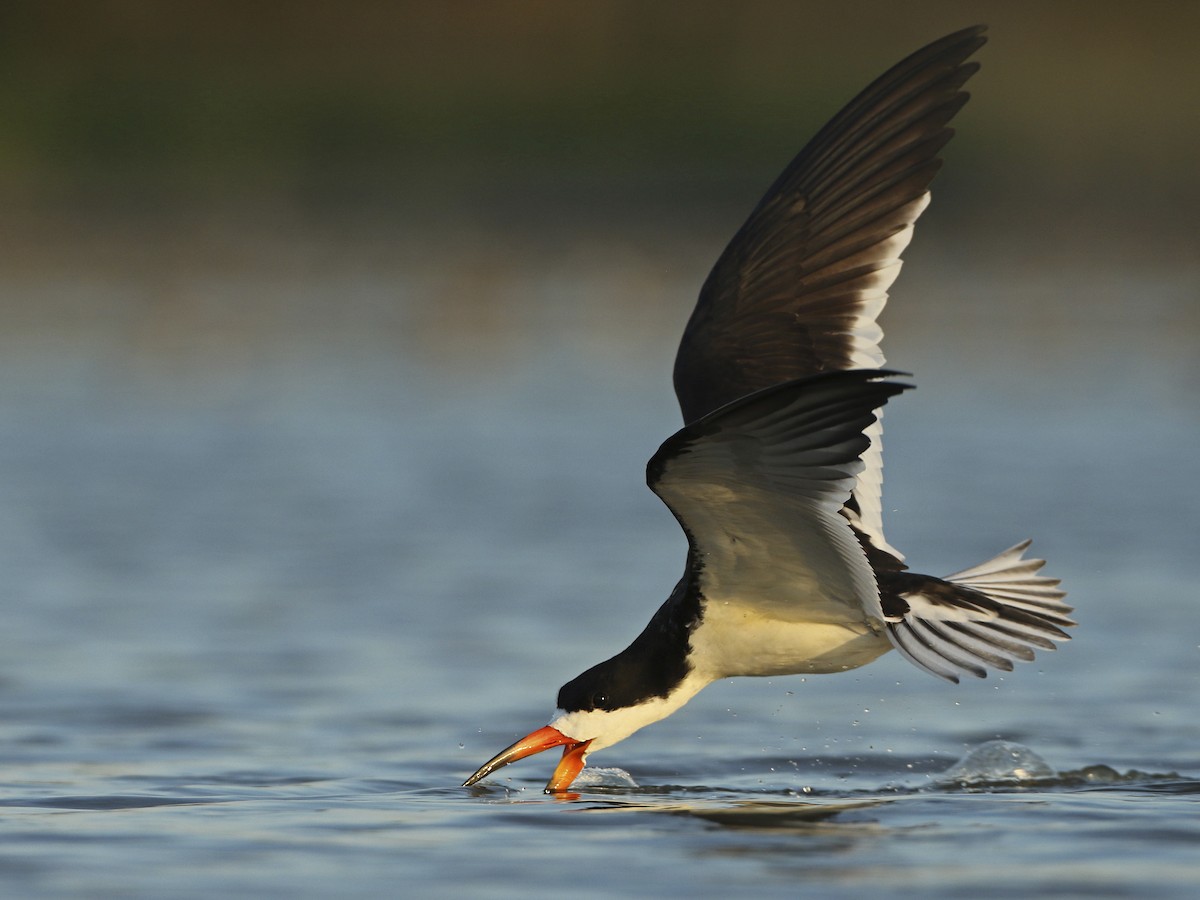
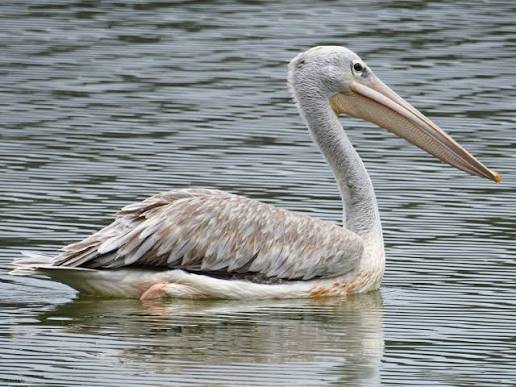
Animals to Spot in Queen Elizabeth National Park
Gates & Access
Most visitors fly into Kasese or Mweya airstrip from Entebbe, or drive from Kampala (roughly 5–6 hours) via Mbarara or Fort Portal. Queen Elizabeth sits naturally between Kibale and Bwindi on a western Uganda circuit, making it an easy park to link into a longer itinerary.
Kabatoro Gate
The main northern entrance, near Kasese and Mweya — the park's primary tourism hub with the widest range of lodges.
Ishasha Sector
The remote southern entrance for the tree-climbing lions, also the natural link point toward Bwindi.
Ready to Add Queen Elizabeth to Your Safari?
Every Kiliwarrior safari is custom and private. Tell us what you're after and we'll build an itinerary around it — including exactly how Queen Elizabeth fits in.