

Bwindi Impenetrable Forest National Park
An ancient Albertine Rift rainforest holding nearly half the world's remaining mountain gorillas — Uganda's single greatest wildlife encounter.
Uganda's Gorilla Sanctuary
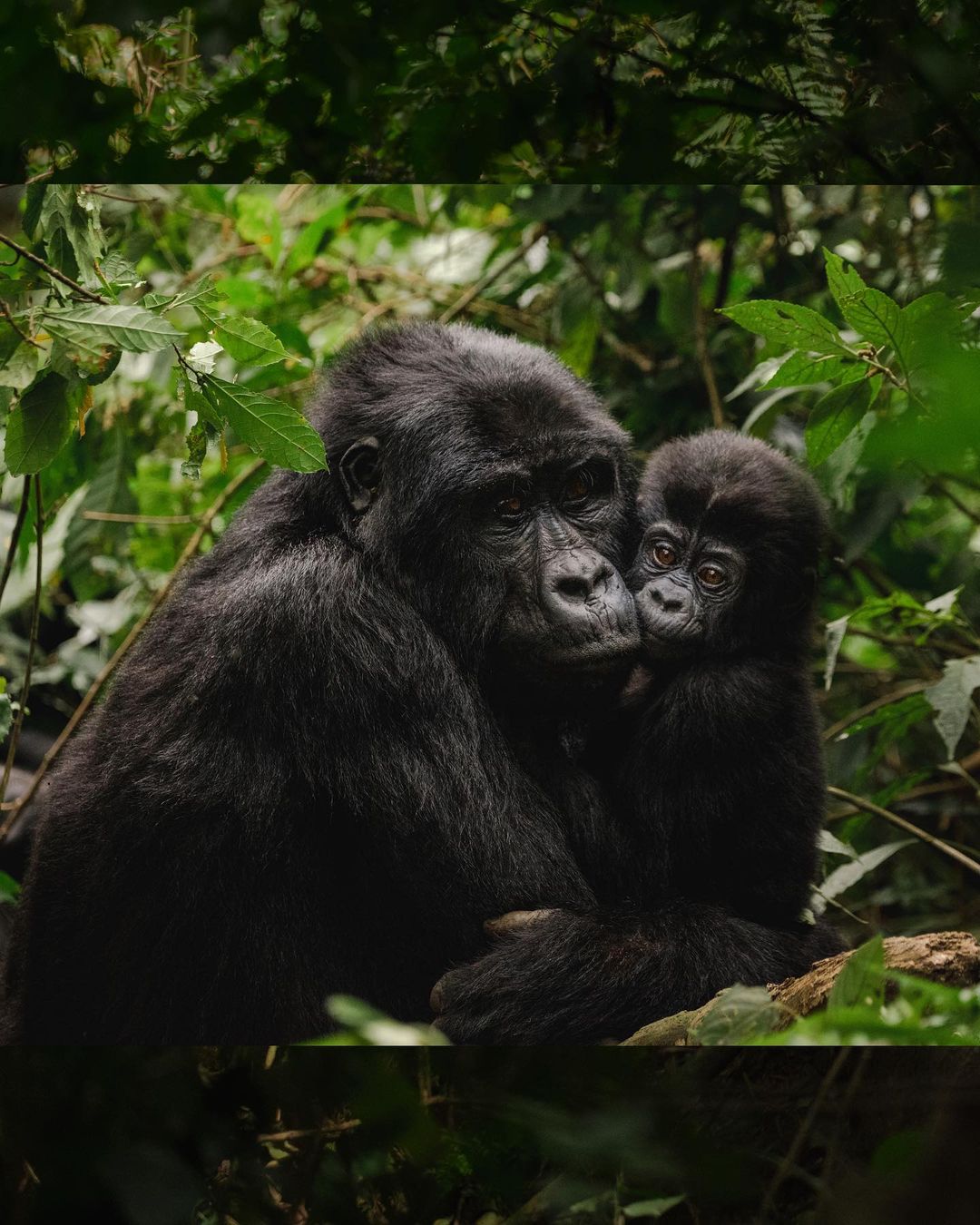
Bwindi Impenetrable Forest is renowned above all for its population of endangered mountain gorillas. Set on the steep eastern edge of the Albertine Rift Valley in southwestern Uganda, this 321 km² tangle of ancient montane and lowland forest is one of the last places on Earth where these great apes survive in the wild — and it holds nearly half of the roughly 1,000 individuals left.
Gazetted as a national park in 1991 and inscribed as a UNESCO World Heritage Site in 1994, Bwindi is believed to be a Pleistocene forest refugium — meaning it survived the ice ages that reshaped much of the surrounding landscape. That deep age shows: the park holds over 200 tree species, more than 348 recorded bird species, 120 mammal species and some of the richest butterfly diversity in Africa, packed into a forest so dense and tangled that "impenetrable" is barely an exaggeration.
Explore Bwindi's Four Sectors
Tap a marker to see each trekking sector and gate. The soft shaded glow shows roughly where the park sits — not an exact outline.
Map Layers
Legend
Where to Trek in Bwindi
Bwindi isn't trekked from a single base — it's divided into four distinct sectors, each with its own habituated gorilla families, terrain and character. Where you stay determines which families you're most likely to trek.
Buhoma (North)
The original and most developed sector, opened for tourism in the early 1990s. Gentler terrain than the south, the widest choice of lodges, and easy access from Queen Elizabeth NP via Ishasha.
Ruhija (East)
The highest and coolest sector, bordering the Echuya Forest. A base for both gorilla trekking and some of Bwindi's best birding, including Albertine Rift endemics.
Rushaga (South)
Home to the largest concentration of habituated families of any sector, including the park's gorilla habituation experience. Closest to the Rwanda border.
Nkuringo (Southwest)
The most physically demanding sector, with steep terrain rewarded by sweeping views toward the Virunga volcanoes. A strong hiking base as well as gorilla trekking.
Gorilla Trekking: A Once-in-a-Lifetime Experience
Prepare for a memorable expedition as you venture into the depths of the forest, guided by experienced trackers. Witnessing a mountain gorilla family in their natural habitat is truly awe-inspiring — observing their behaviors, marveling at their family dynamics, and being moved by their quiet, unmistakably familiar presence.
Treks are capped at 8 visitors per habituated family per day and typically last anywhere from 1 to several hours of hiking to locate the group, followed by one hour observing them once found. Terrain is steep and unpredictable, so a realistic level of fitness matters more here than on almost any other African safari activity.
Diverse Wildlife Encounters
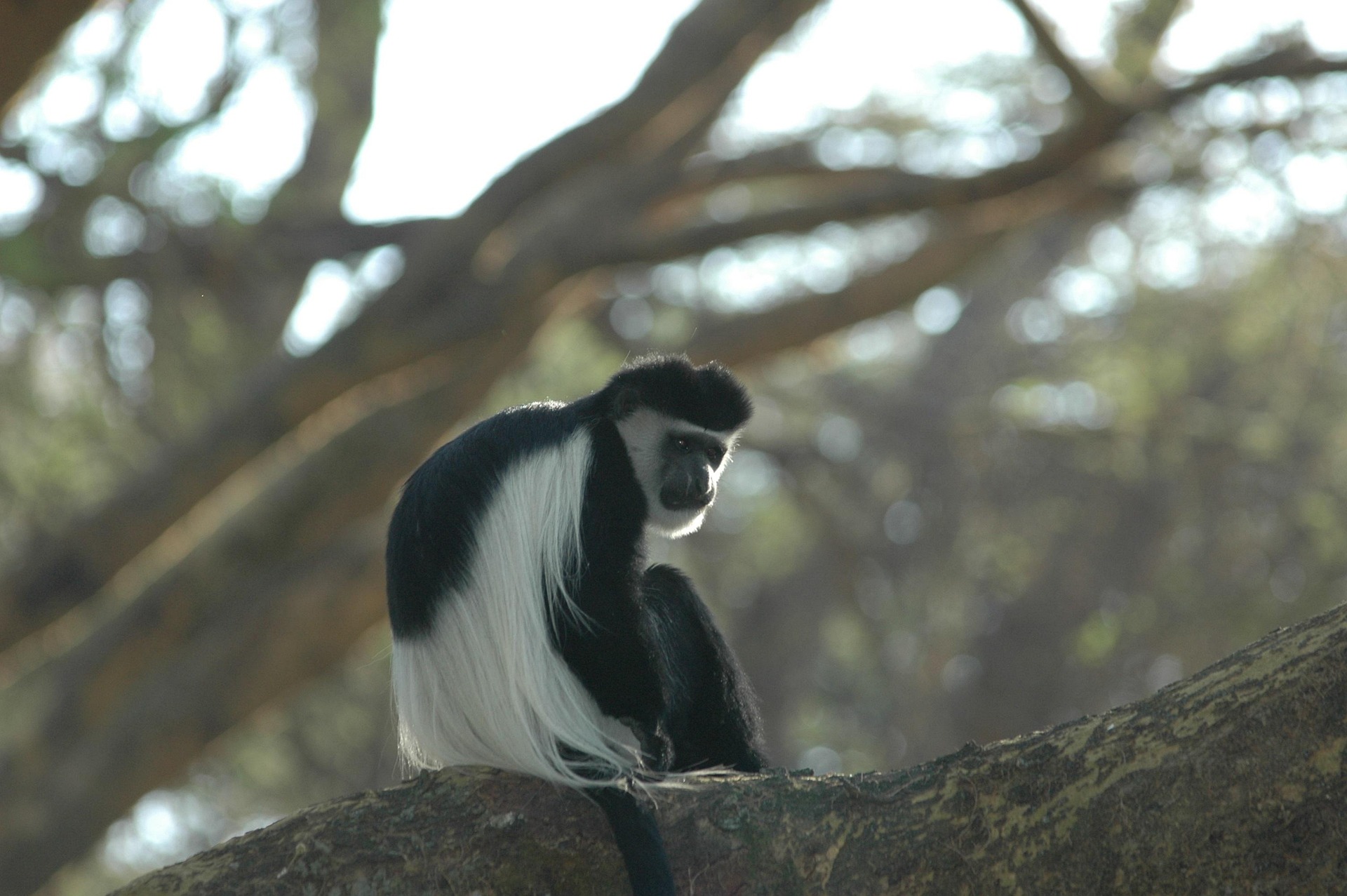
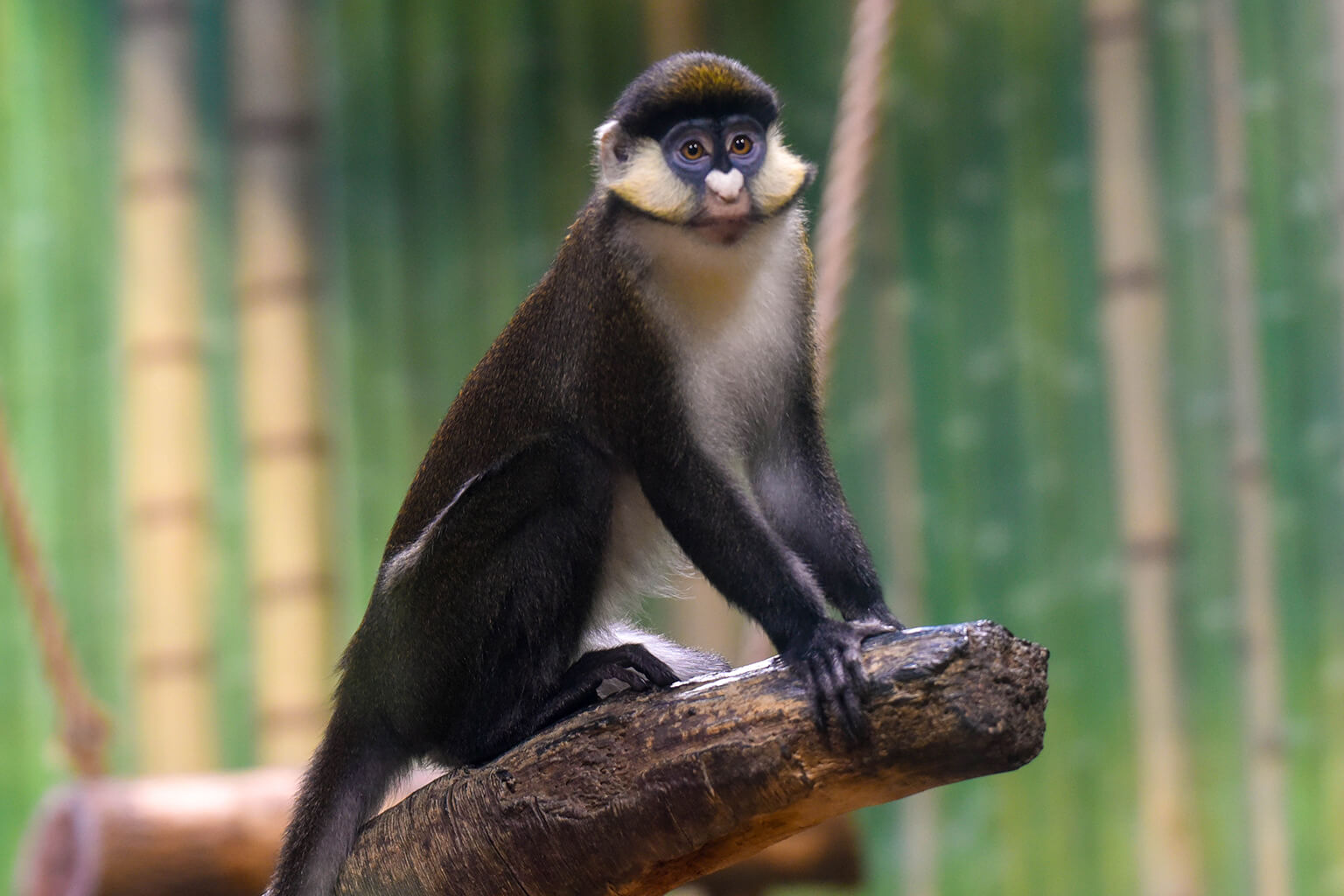
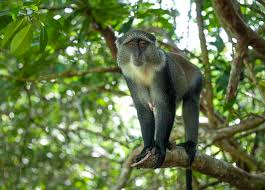
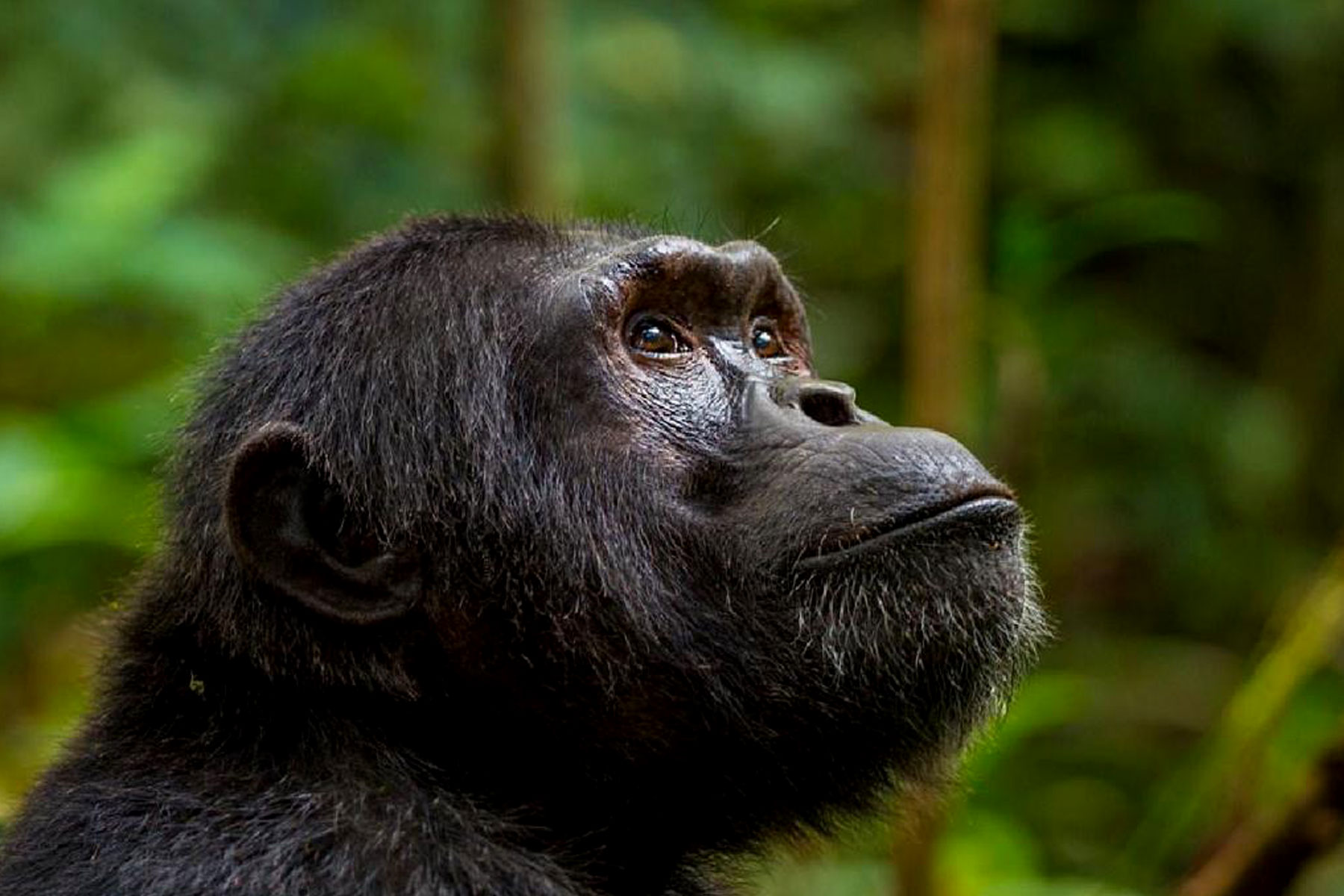
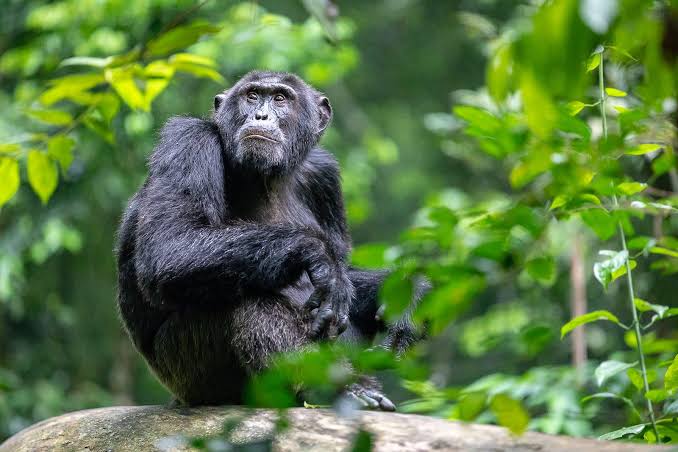
Beyond the iconic gorillas, Bwindi offers a plethora of other wildlife. Keep a keen eye out for other primates including small numbers of chimpanzees, striking black-and-white colobus monkeys, and the Albertine Rift endemic L'Hoest's monkey. The park is also a serious birdwatching destination — over 348 recorded species, including 23 Albertine Rift endemics found almost nowhere else on Earth.
Meet the Batwa, the Forest's Original People
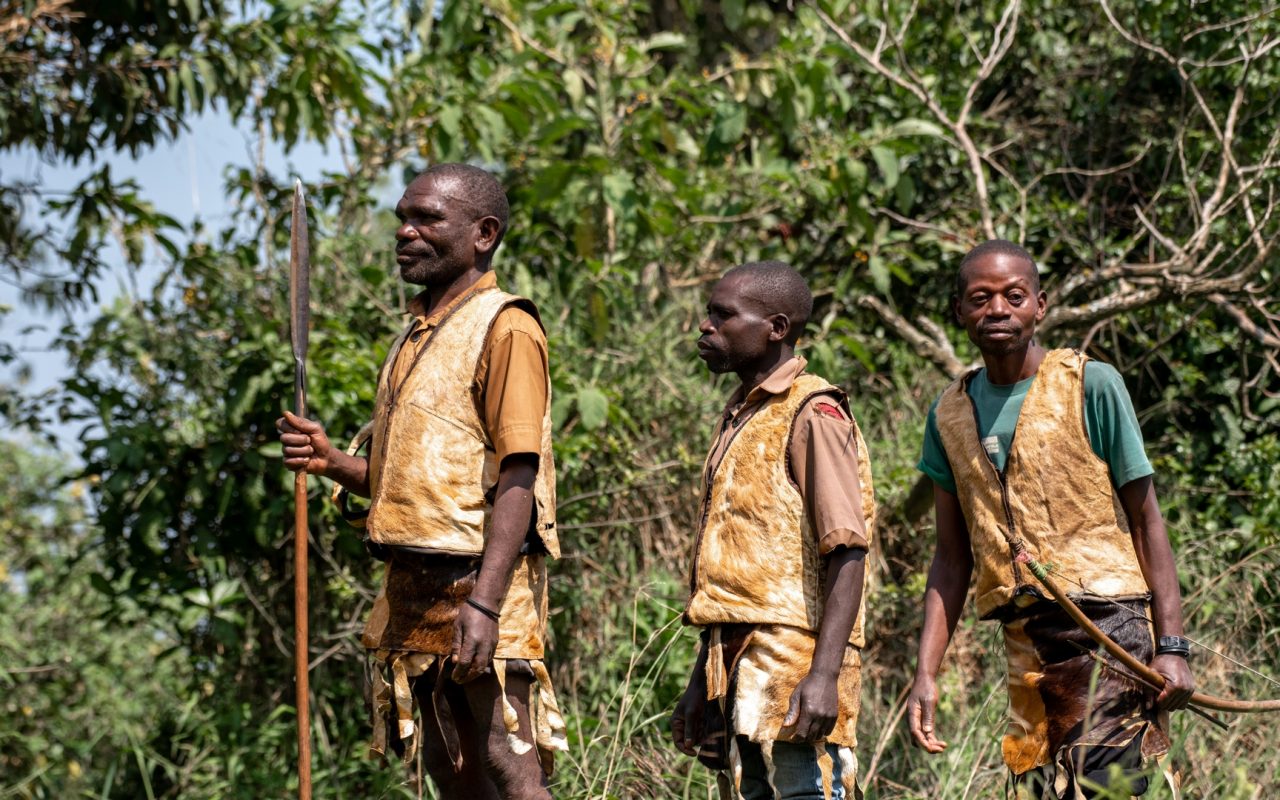
Bwindi is surrounded by vibrant local communities, offering rich opportunities for cultural immersion. Engage with the Batwa people — the indigenous forest-dwelling community who called this forest home for generations before it became a protected park — and learn about their traditional way of life. Experience cultural performances, witness traditional dances, and gain insight into their heritage.
Supporting community-based tourism initiatives here helps preserve Batwa culture and contributes directly to sustainable development around the park's edge, where some of the highest rural population densities in tropical Africa press right up against the forest boundary.
Scenic Hikes & a Side Trip to Lake Bunyonyi
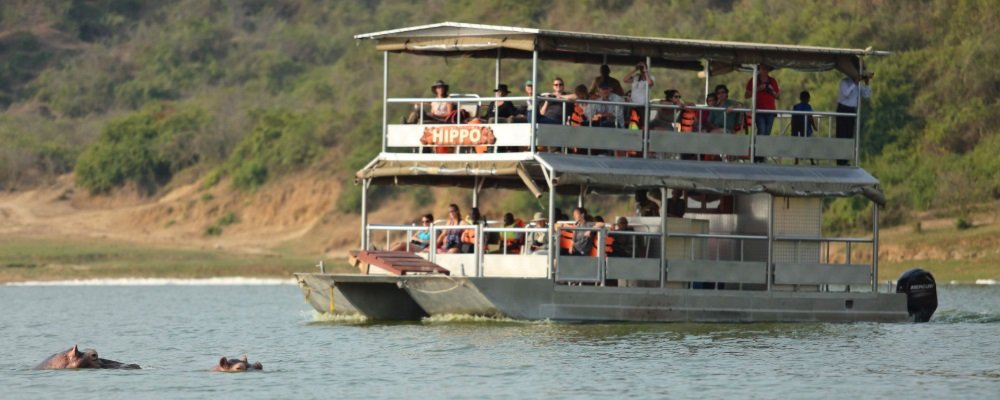
Explore the picturesque trails around Bwindi through scenic hikes and nature walks, with knowledgeable guides pointing out unique plant species and sharing stories of the forest's ecosystem. Many visitors also pair Bwindi with a trip to nearby Lake Bunyonyi, roughly an hour's drive away, for a canoe safari across its calm, terraced-hillside waters — a relaxed, low-key contrast to a morning of forest trekking. See our Lake Bunyonyi page for details.
5 Tips for Gorilla Trekking
Fitness Preparation
Trekking involves dense forest and uneven, often steep terrain for several hours. Regular cardio — walking, jogging, cycling — pays off. Guides and porters are there to help, but stamina still matters.
Right Clothing & Equipment
Long-sleeved shirts and pants protect against scratches and insects. Waterproof hiking boots, a rain jacket, gardening gloves for nettles, a hat, water and high-energy snacks all earn their space in your pack.
Health Precautions
Confirm required vaccinations for Uganda and discuss malaria prophylactics and altitude with your doctor beforehand. Don't trek if you're feeling unwell — gorillas are susceptible to human illnesses.
Respect Gorilla Etiquette
Maintain at least 7 meters (22 feet) distance. Avoid direct eye contact and flash photography — both can read as threats. Keep your voice low, movements slow, and always follow your guide's lead.
Book in Advance
Permits are limited to protect the gorillas and should be booked months ahead. Best trekking conditions fall in Uganda's dry seasons: December–February and June–September.
When to Visit, Month by Month
Bwindi can technically be trekked year-round, but trail conditions swing hard between the dry and wet seasons — and Bwindi's slopes turn to slick mud fast once the rain sets in.
Prime trekking conditions
Prime trekking conditions
Rains build, trails soften
Wettest month, fewer trekkers
Rains taper toward month end
Trekking season begins
Peak season, book early
Peak season, book early
Excellent, less crowded than Jul/Aug
Short rains begin
Muddy trails, fewer visitors
Dry season returns
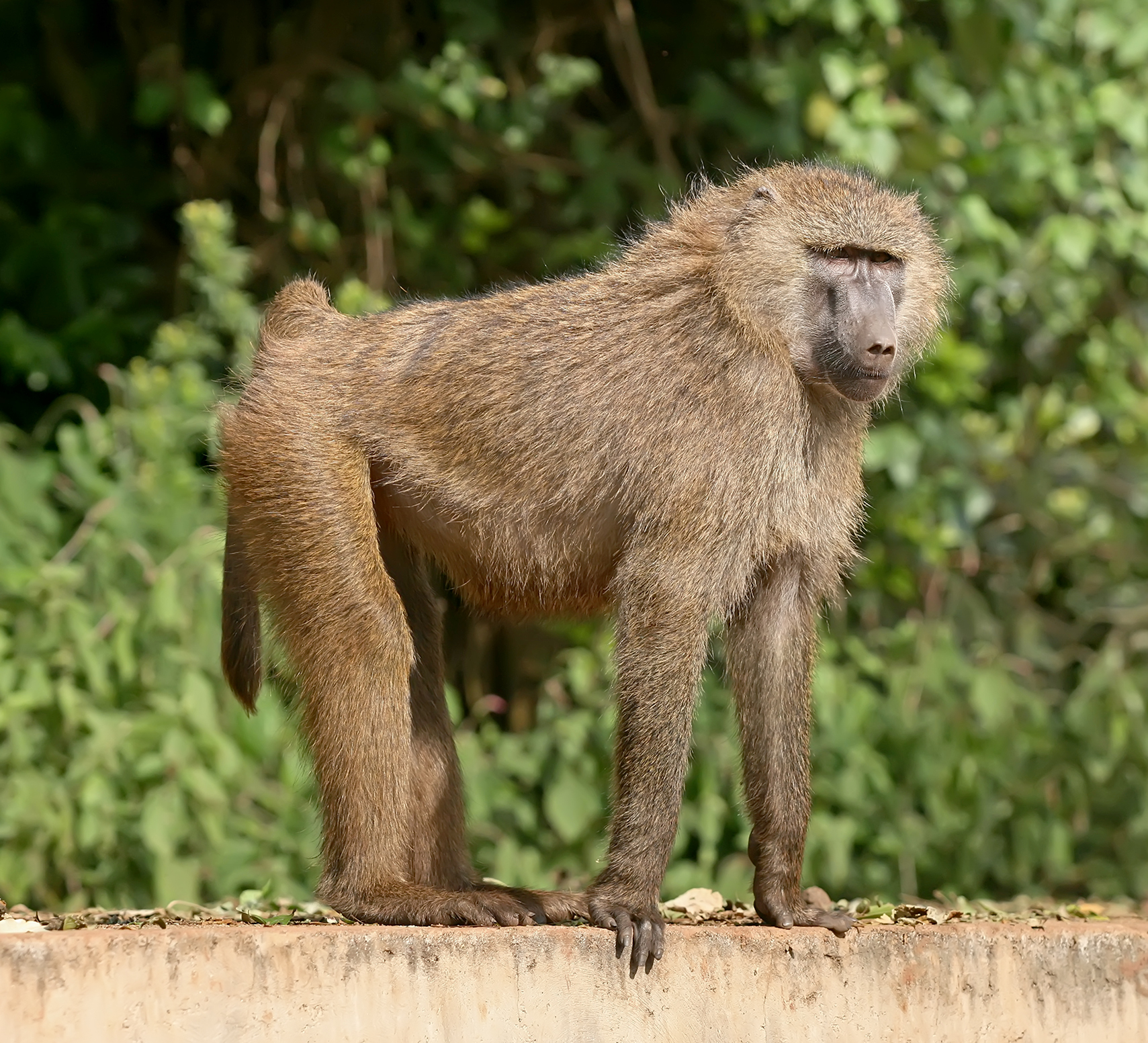
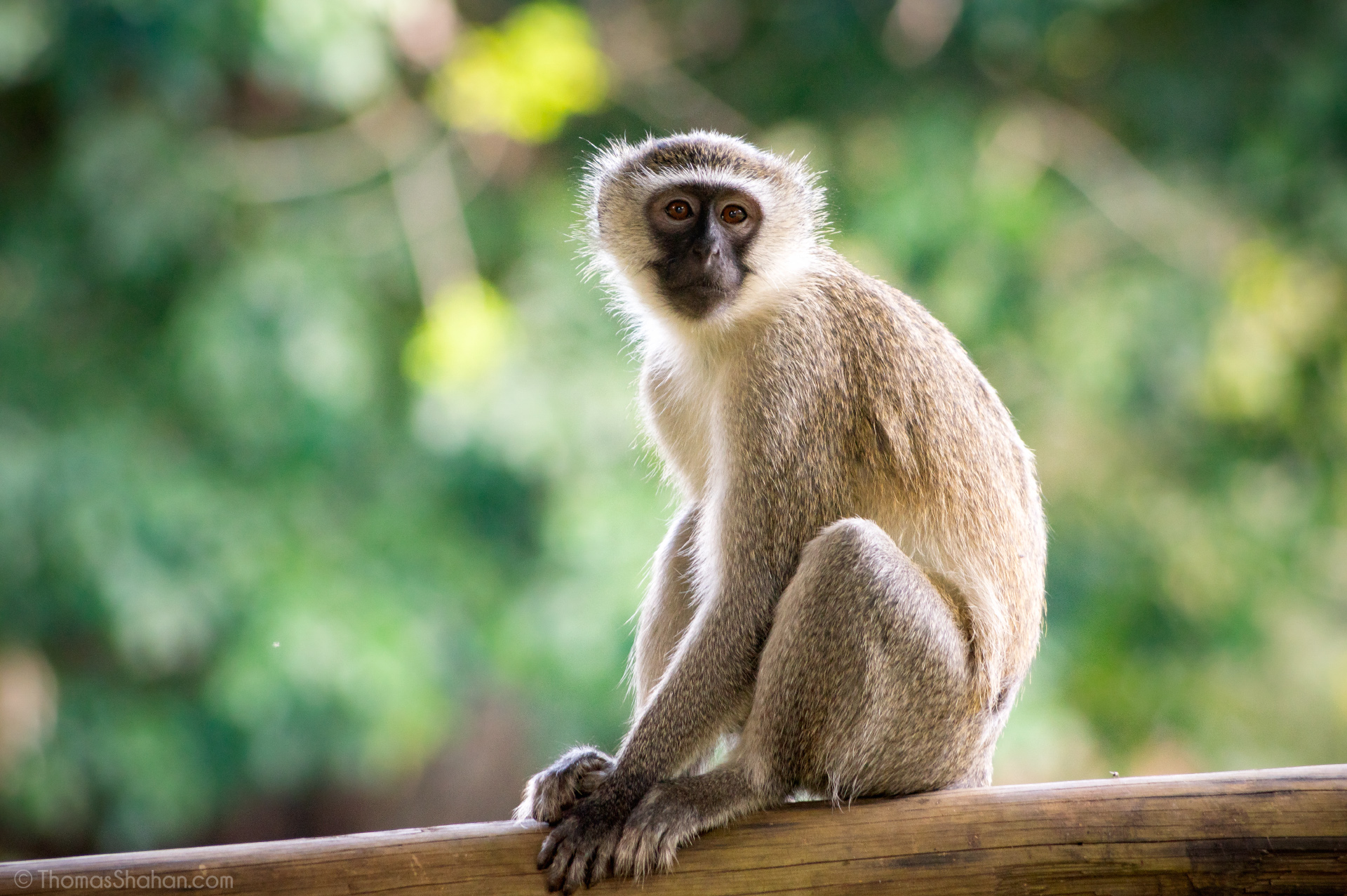
Animals to Spot in Bwindi Impenetrable Forest
Sectors & Access
Bwindi sits in Uganda's far southwest, in the districts of Kanungu, Kabale and Rukungiri. Most visitors fly into Kihihi or Kisoro airstrip from Entebbe, or drive from Kampala (roughly 8–9 hours) via Kabale — it's also commonly combined with Queen Elizabeth National Park via the Ishasha sector, a scenic 2–3 hour drive to Buhoma.
Buhoma Sector
The original and most accessible entrance, with the widest range of lodges and gentler terrain than the southern sectors.
Ruhija Sector
The park's highest, coolest gateway, popular with birders and gorilla trekkers alike.
Rushaga Sector
The largest number of habituated families and the gorilla habituation experience, closest to the Rwanda border.
Nkuringo Sector
Steep, rewarding terrain with views toward the Virunga volcanoes — the most demanding but most scenic base.
Ready to Trek Bwindi's Gorillas?
Every Kiliwarrior safari is custom and private. Tell us what you're after and we'll build an itinerary around it — permits, sector, lodges and all.