

Tarangire National Park
Tanzania's elephant kingdom — towering baobabs, a river that never runs dry, and a wilderness the crowds haven't found yet.
An Authentic Safari Experience
Tarangire National Park, located in the northern region of Tanzania, is a hidden treasure brimming with African wildlife and stunning landscapes. Often overlooked in favor of more famous parks, Tarangire offers a serene and genuine safari adventure for those seeking something less crowded and more real.
Established in 1970 and named for the Tarangire River that cuts through its heart, the park anchors the wider Tarangire Ecosystem — a network of migration corridors, community lands, and dispersal areas that stretches well beyond the park boundary itself.
Explore Tarangire on the Map
Tap a marker to see gates, landmarks, wildlife hotspots and camps — and switch on the park boundary to see the full shape of Tarangire's 2,850 km².
Map Layers
Legend
Geography & Landscape
Covering approximately 2,850 square kilometers, Tarangire is the sixth largest national park in Tanzania. Its terrain is remarkably varied for one park: granitic ridges, riverine forest, rolling savanna, and seasonal swamps, stretching southeast from Lake Manyara toward the Maasai Steppe. The Tarangire River runs the length of the park from north to south and is, quite literally, what keeps the whole ecosystem alive through the dry months.
North
Closest to the main gate — open woodland, acacia, and riverbank. The best place to find elephant and lion close to the water.
Central
Baobab-studded hills and classic Tarangire scenery, including Lemiyon Hill — a favorite for sunrise and sunset photography.
South
Remote and quiet, defined by the seasonal Silale, Gursi and Larmakau swamps — big herds of zebra and wildebeest, and some of the park's best birding.
Some of Tanzania's Highest Wildlife Densities
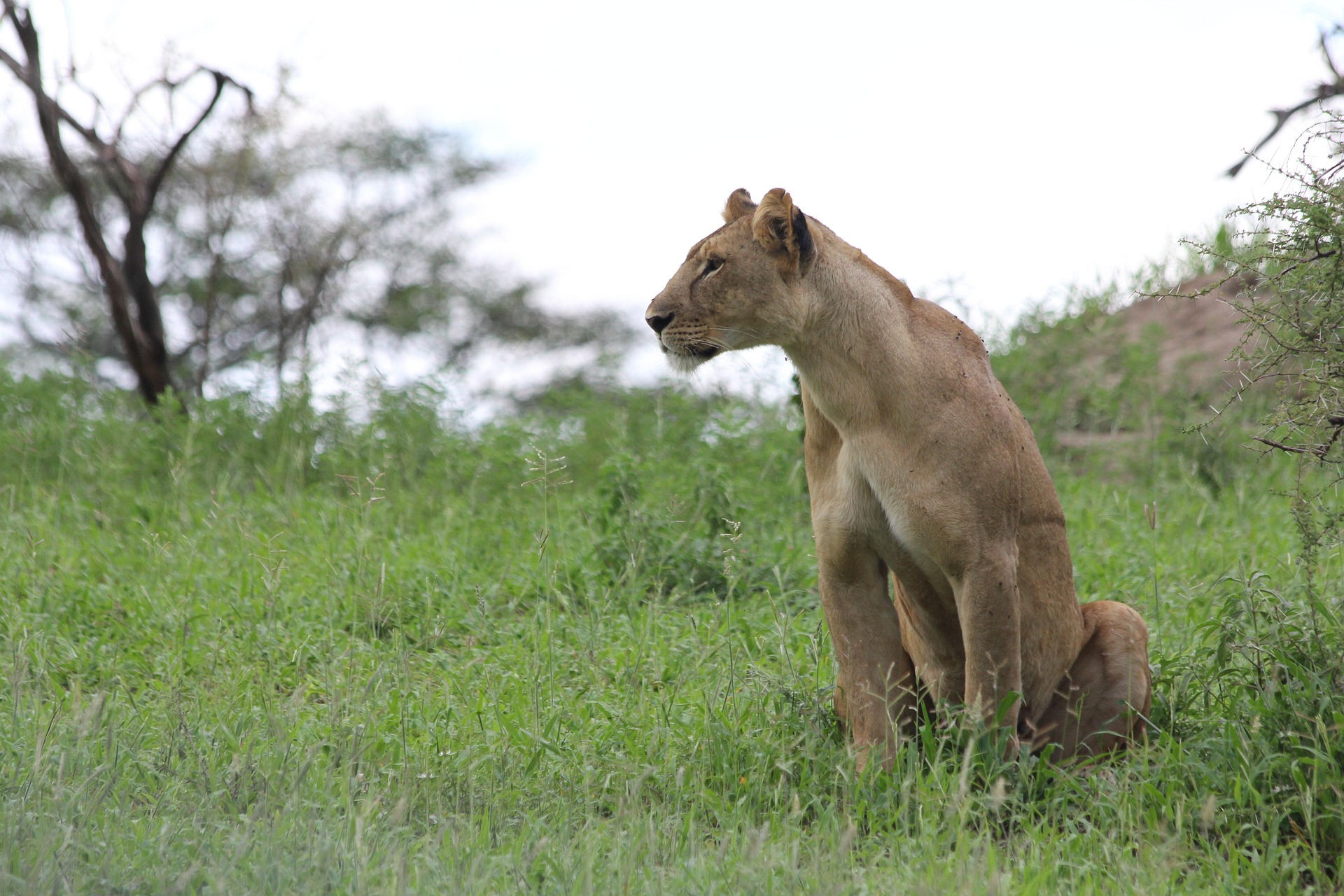
Tarangire is home to a remarkable concentration of wildlife — among the highest population densities in Tanzania. Four of the Big Five are reliably found here; rhino are the exception, a rare sighting anywhere in northern Tanzania.
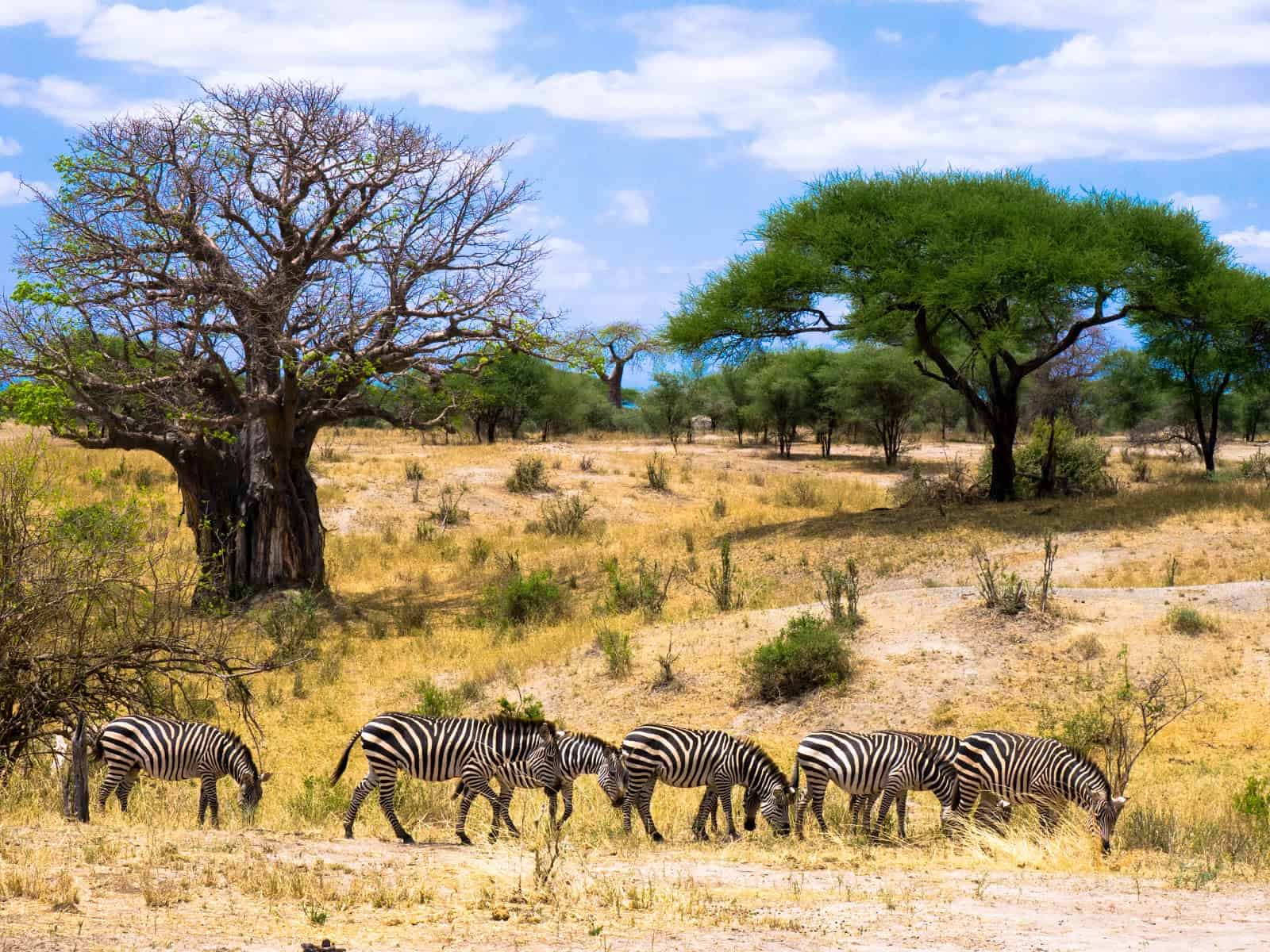
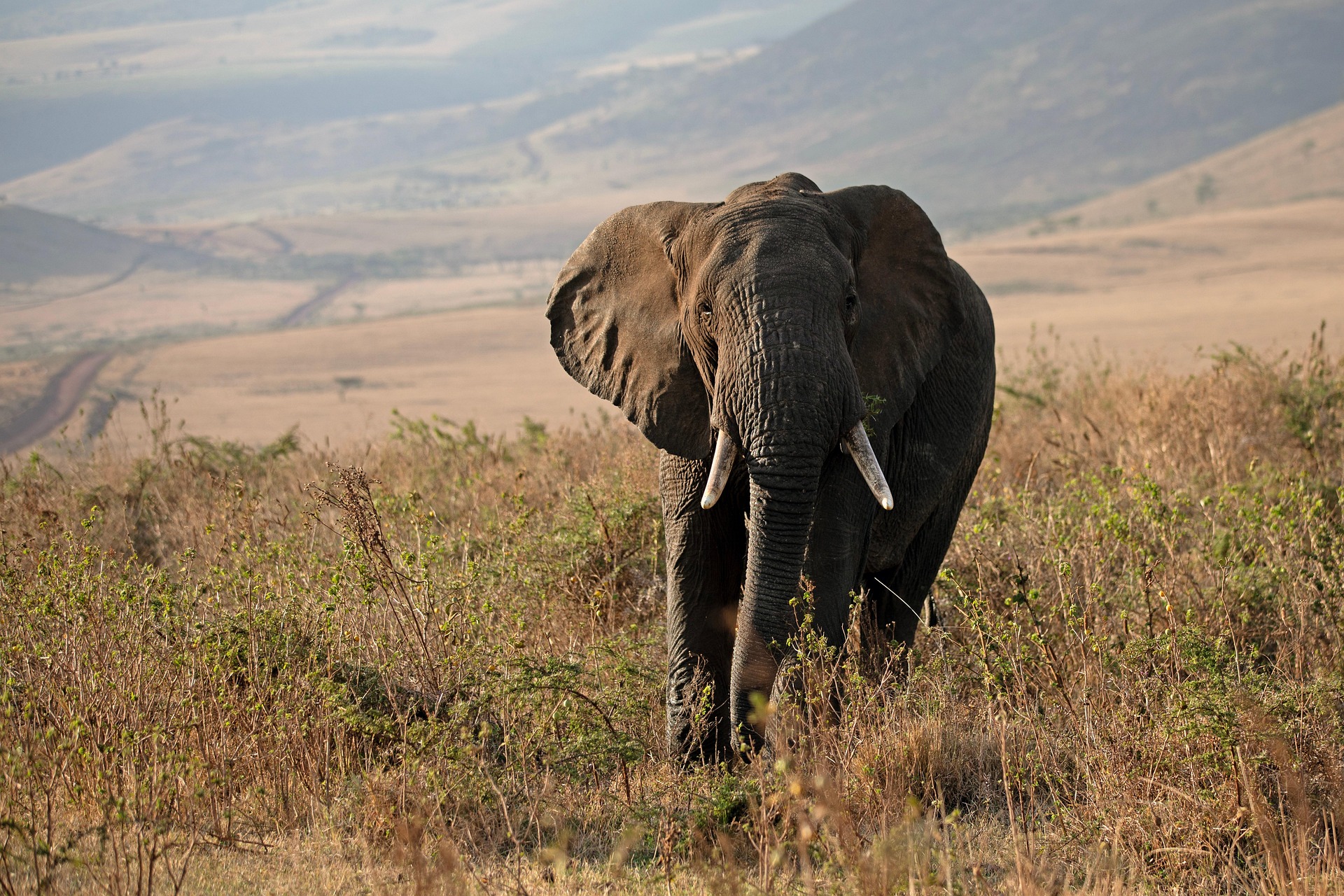
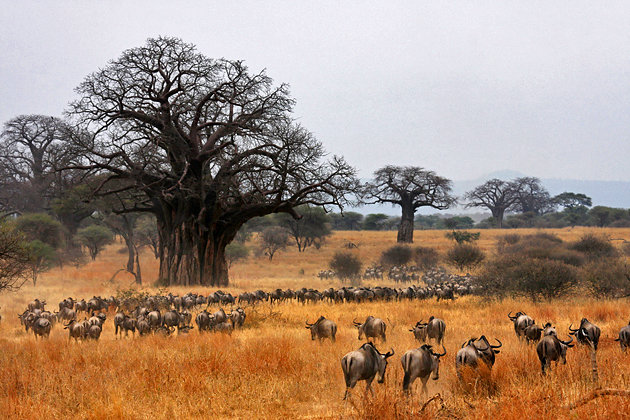
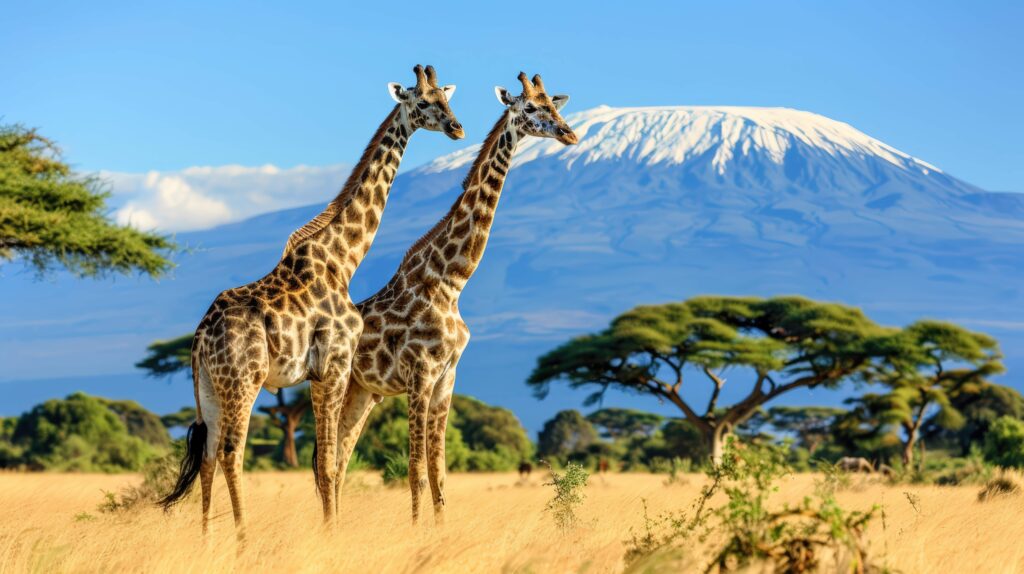
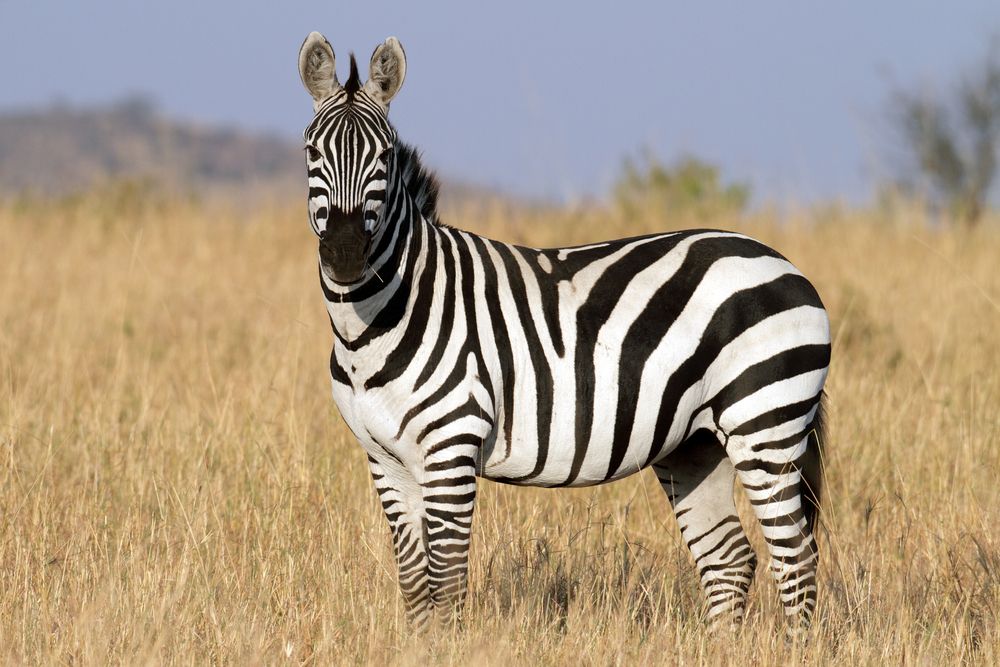
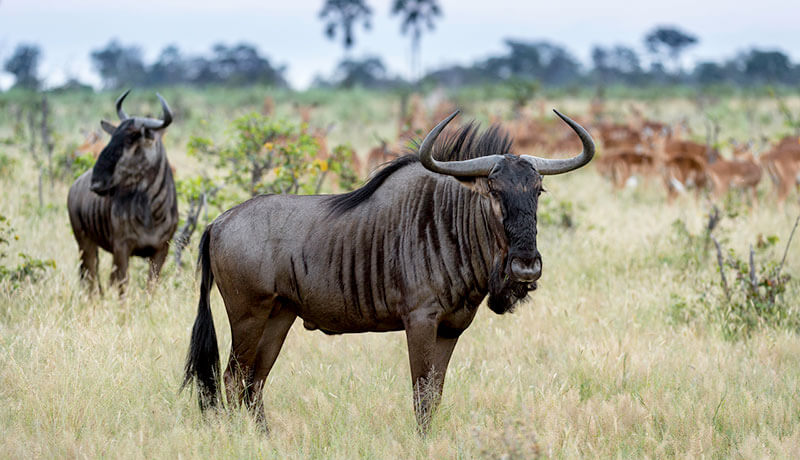
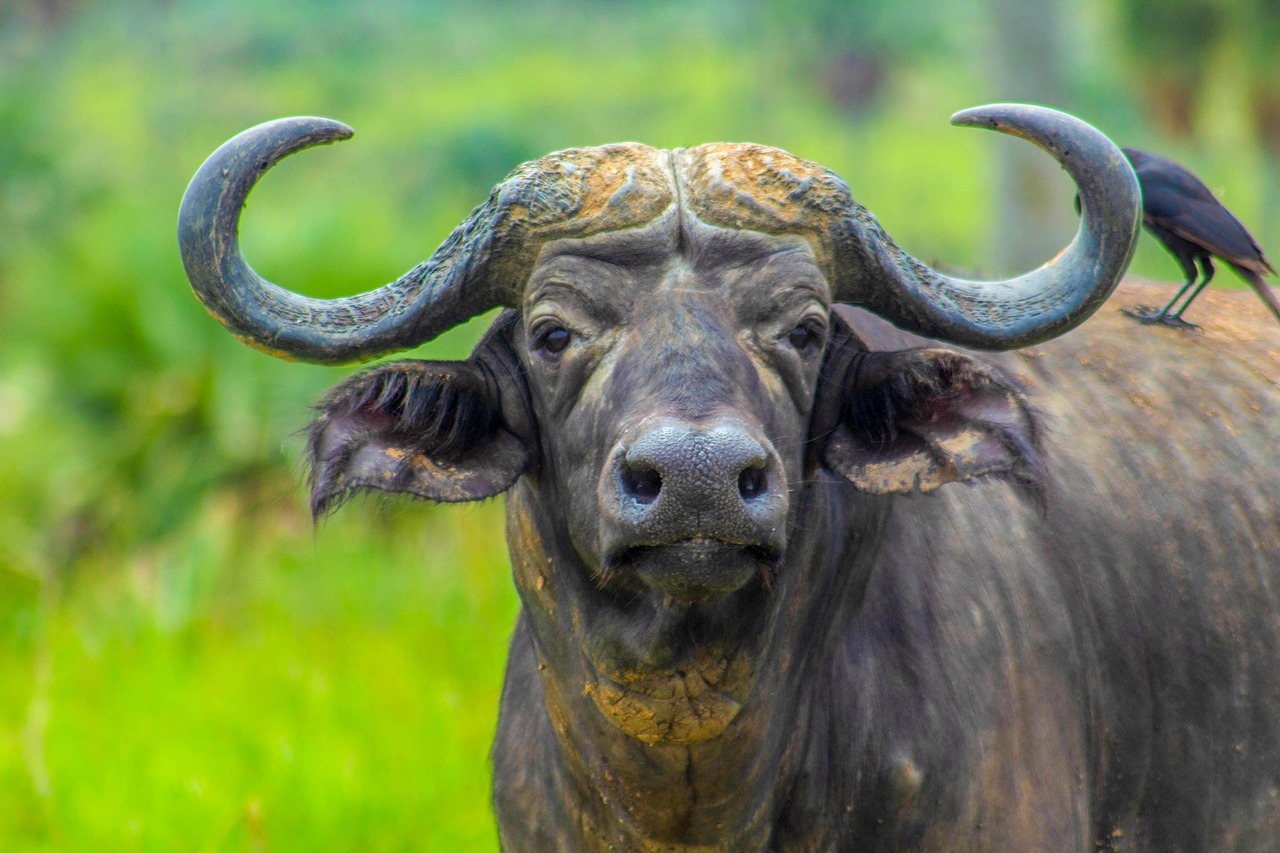
The park is best known for its elephants: herds of up to 300 individuals gather along the river in the dry season, among the largest concentrations found anywhere in East Africa. Zebra, wildebeest, giraffe and buffalo move through in equally impressive numbers, trailed by lion, leopard and cheetah. Birders will find over 550 recorded species, from the yellow-collared lovebird to the African fish eagle.
The River, the Baobabs, and a Few Surprises
Tarangire is famous above all for its dry-season game viewing (June–October), when the Tarangire River becomes the last reliable water source for miles and draws animals in from the surrounding dispersal areas.
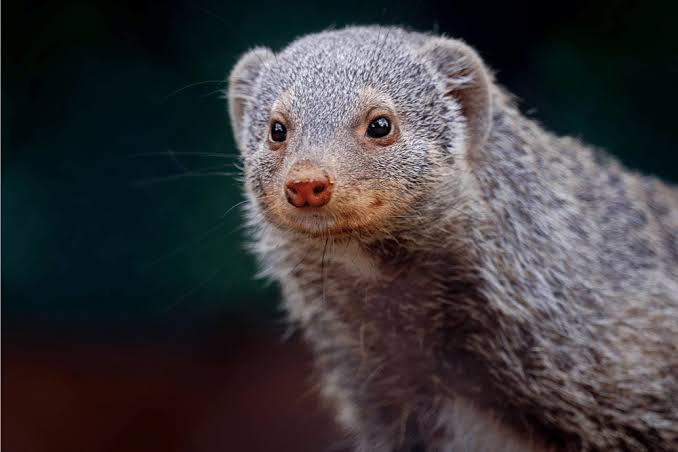
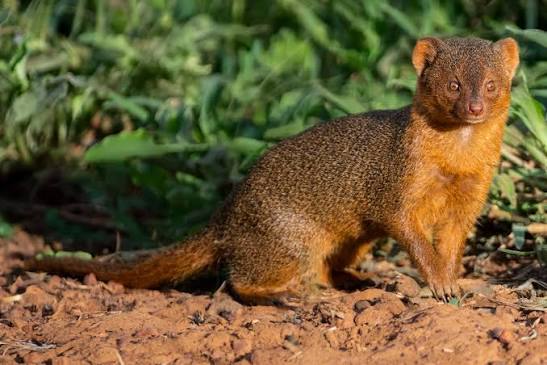
Adding to its character are the park's ancient baobab trees — swollen, centuries-old giants that frame nearly every view — and the termite mounds that dot the plains, many now home to colonies of dwarf mongoose.
When to Visit, Month by Month
The dry season delivers the most concentrated wildlife viewing as herds gather along the river, but Tarangire rewards visitors year-round — the green season brings newborn calves, migratory birds, and a landscape at its most lush.
Calving begins
Calving peak
Rains build, roads soften
Wettest month, low season
Rains taper off
Herds return to the river
Migration builds
Prime elephant viewing
Highest concentrations
Dry season winds down
Short rains, herds disperse
Transitional, park turns green
Why Tarangire Belongs on Your Itinerary
There are countless reasons to include Tarangire in a Tanzania safari itinerary — up-close elephant encounters, some of the best birdwatching in the country, and a tranquil, far-less-commercialized alternative to the busier northern parks.
Being in Tarangire is about embracing diverse habitats, watching the interactions between species play out in the open, and taking in the kind of silence that's harder to find in the Serengeti or Ngorongoro. Sunsets here, with baobabs and elephants silhouetted against the sky, are some of the best in Tanzania.
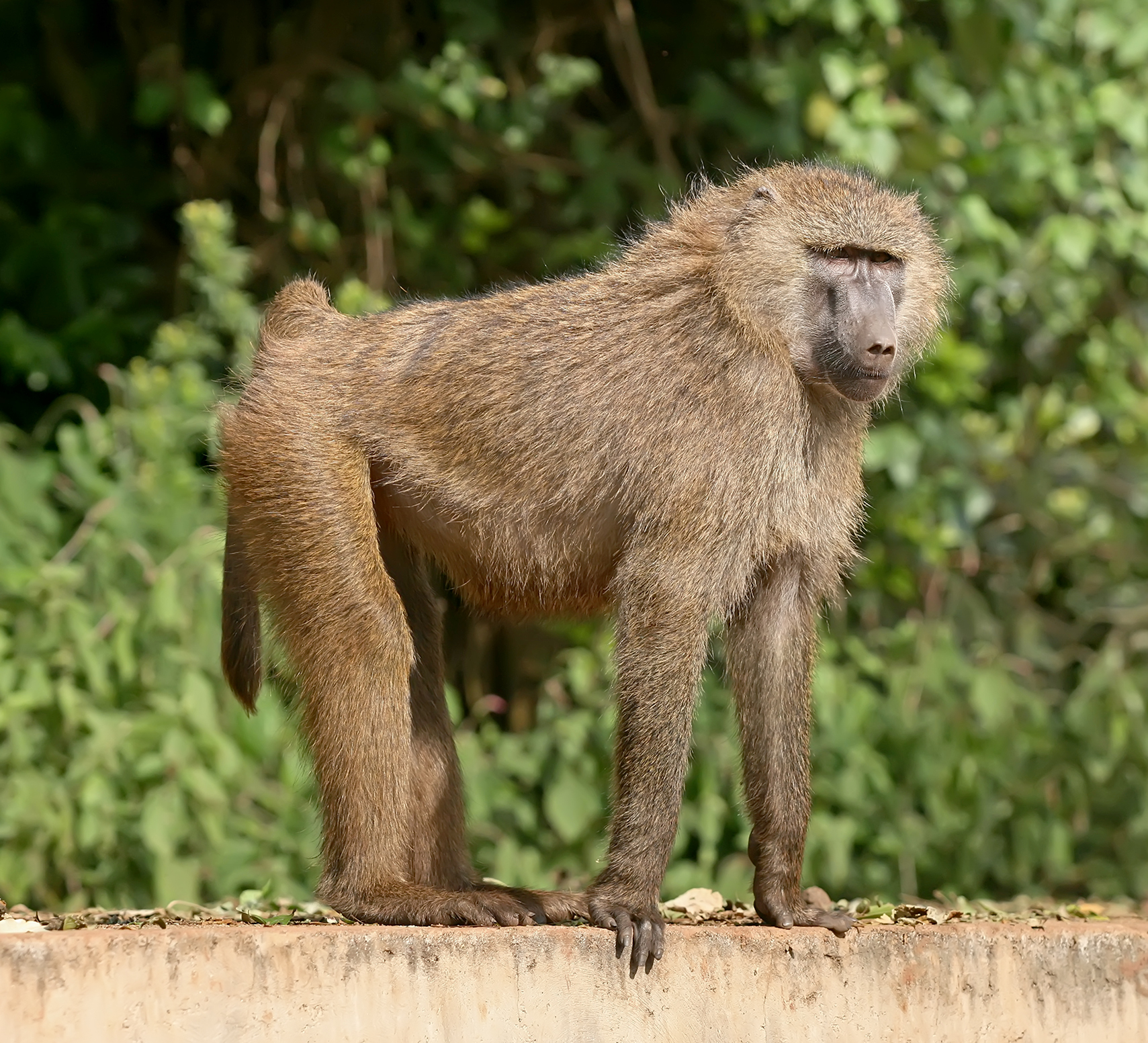
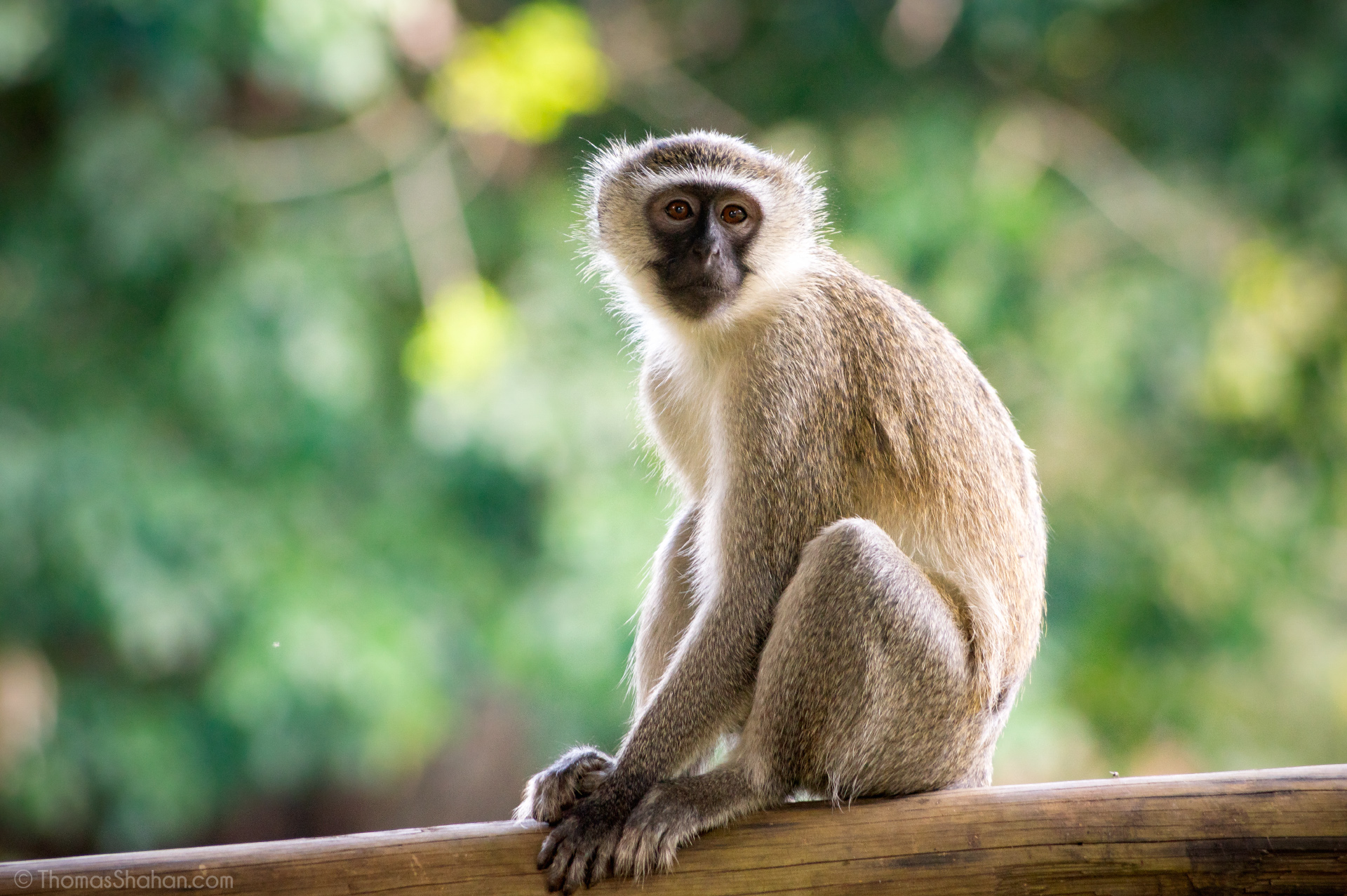
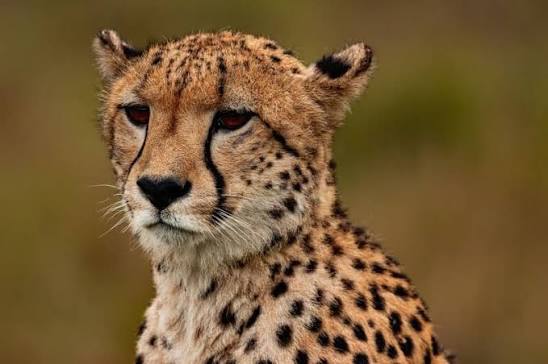
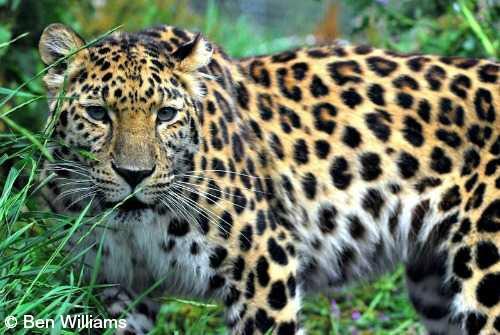
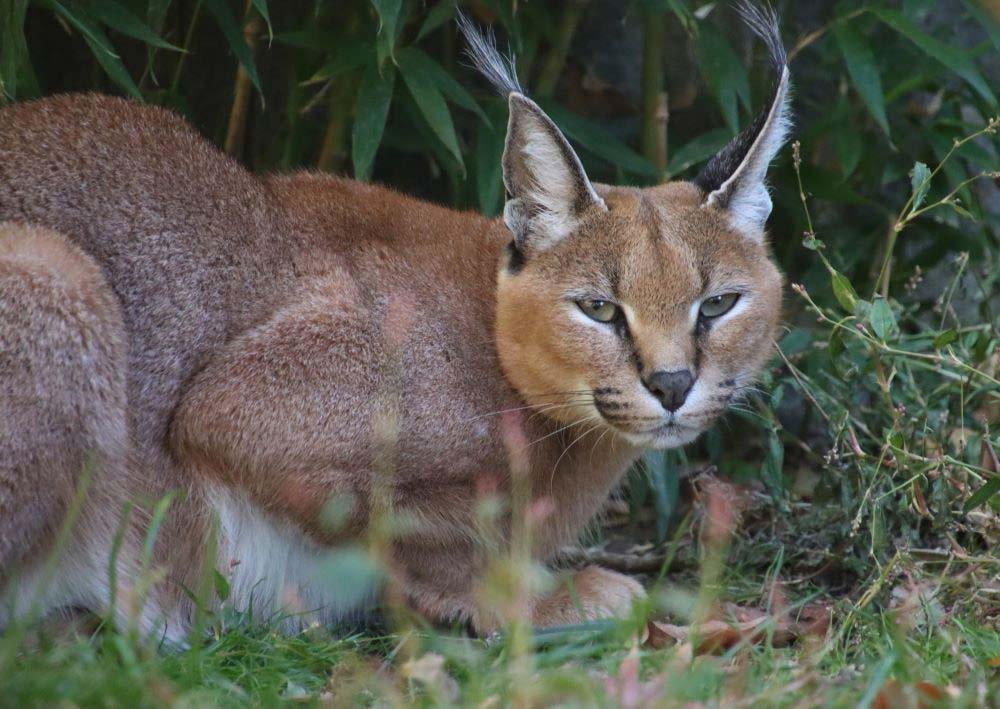
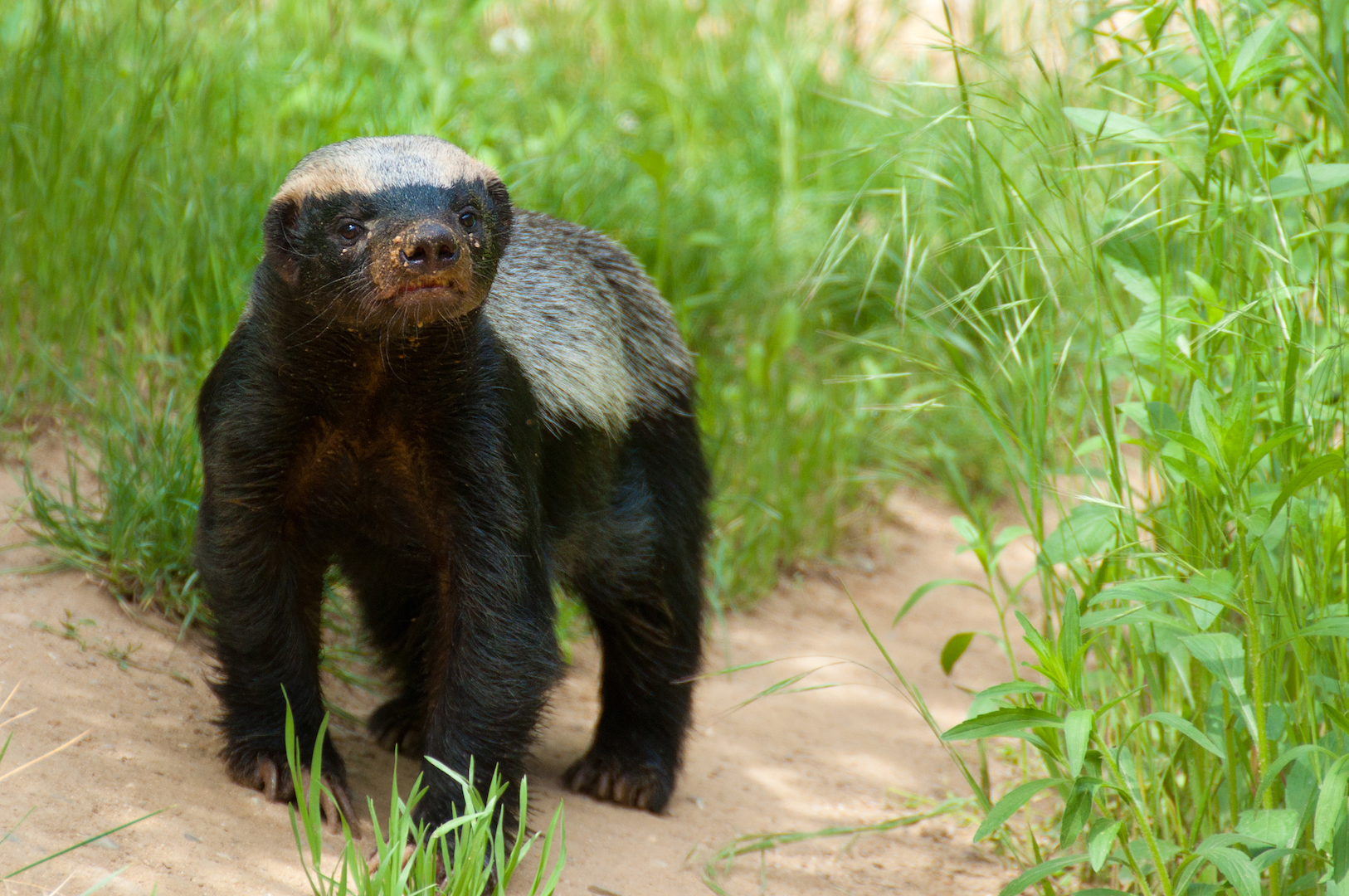
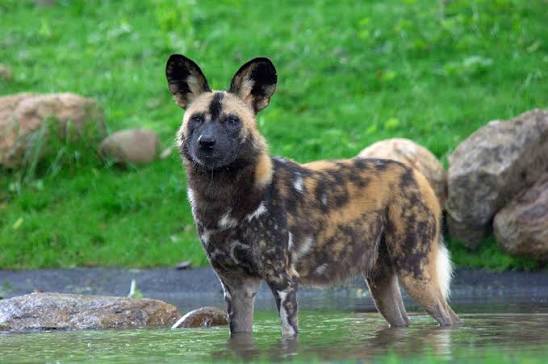
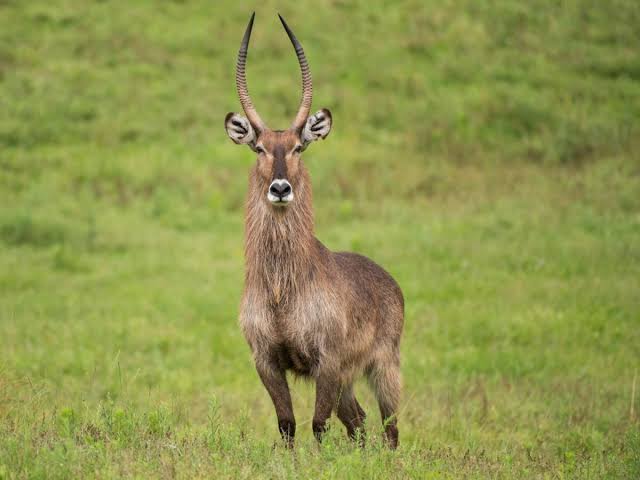
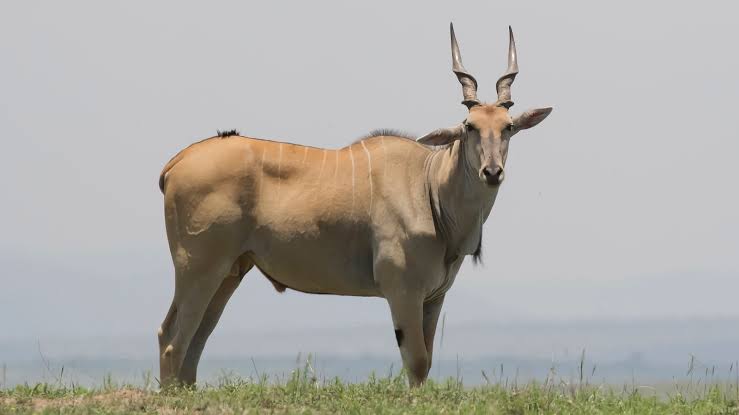
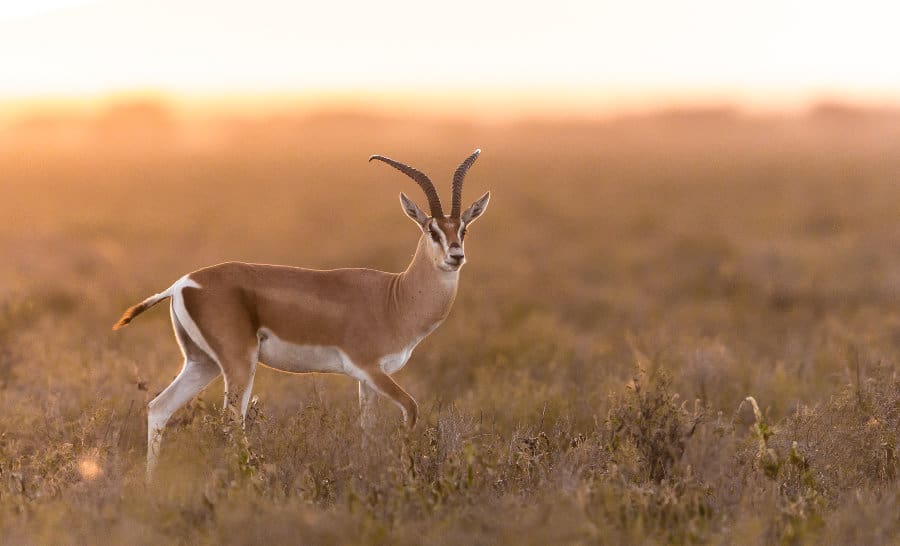
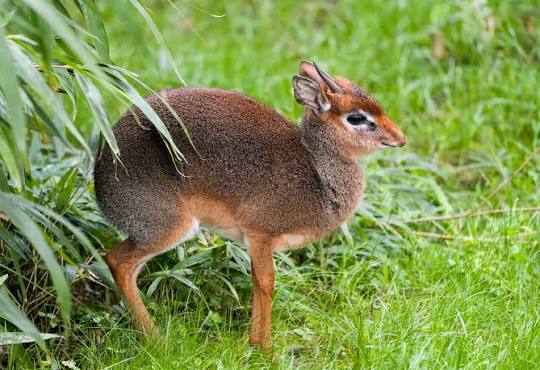
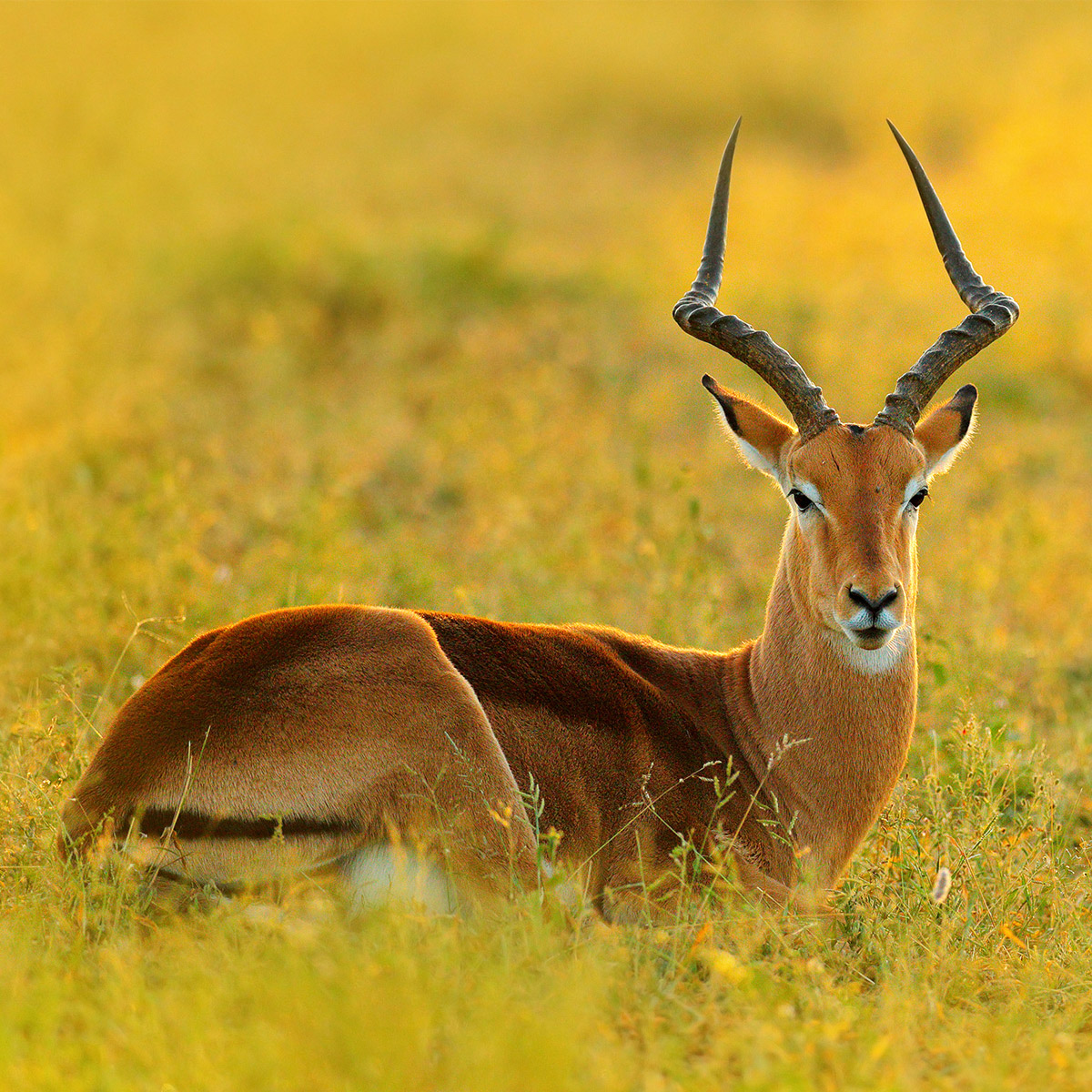
Animals to Spot in Tarangire National Park
Gates & Access
Tarangire sits at the heart of Tanzania's northern safari circuit, roughly 118 km (about 2 hours by road) southwest of Arusha, and around 70 km from Lake Manyara National Park — making it easy to combine with Manyara, Ngorongoro Crater and the Serengeti on a single itinerary.
Main (Tarangire) Gate
The park's busiest and most accessible entrance, close to the river and most of the northern lodges. The natural choice for first-time visitors arriving from Arusha.
Sangaiwe Gate
A quieter entry point near Sangaiwe Hill, favored by travelers approaching from the south and known for strong elephant sightings right from the gate.
Boundary Hill Gate
Access to the park's southern camps and private concessions, with sweeping views from Boundary Hill and good raptor-spotting on the thermals.
What to Know Before You Go
Where to Stay
Accommodation ranges from public campsites to luxury tented camps, with most lodges concentrated in the north near the main gate and a handful of remote camps in the quieter south. We handle the logistics and matching for every Tarangire stay as part of your custom itinerary.
Activities
Game drives, walking safaris, birdwatching, and — at select camps — hot air balloon safaris over the plains. Full- and half-day drives can be paired with a visit to Lake Manyara or Ngorongoro.
What to Pack
Lightweight, breathable clothing in neutral tones, a sun hat and sunscreen, a good pair of binoculars, insect repellent, and a camera with a spare battery and memory card — you'll use it more than you expect.
Roads & Access
The route from Arusha is paved and in good condition. Park roads are graded gravel — straightforward in the dry season, and best tackled in a 4x4 during the March–May rains.
Ready to Add Tarangire to Your Safari?
Every Kiliwarrior safari is custom and private. Tell us what you're after and we'll build an itinerary around it — including exactly how Tarangire fits in.