

Serengeti National Park
Endless plains, the world's greatest wildlife migration, and Africa's largest lion population — the safari every other safari is measured against.
The Safari Tanzania Is Famous For
Serengeti National Park is a magnificent gem that holds within its boundaries an abundance of life and breathtaking landscapes. Protected since 1951 and a UNESCO World Heritage Site since 1981, it offers the quintessential African safari experience — and at 14,750 square kilometers, it's genuinely too big to see in one visit.
That's exactly why it helps to understand the park in regions rather than as one place. Where you go — and when — changes what you'll see. The map and region guide below break down the four areas safari-goers actually talk about: the Mara in the north, Central Serengeti around Seronera, the Western Corridor, and the Southern Plains around Ndutu.
Explore the Serengeti's Regions on the Map
Tap a marker for gates, landmarks and rivers. Switch on Regions to see the four areas shaded, and switch on the Ngorongoro Conservation Area to see exactly how the Ndutu plains straddle both Serengeti National Park and the NCA next door.
Map Layers
Regions
Markers
Four Regions, One Ecosystem
"The Serengeti" isn't one game-viewing area — it's four very different ones, connected by the same migrating herds. Most itineraries combine two or three of these depending on the season, since the animals themselves are almost never in all four at once.
Northern Serengeti (The Mara)
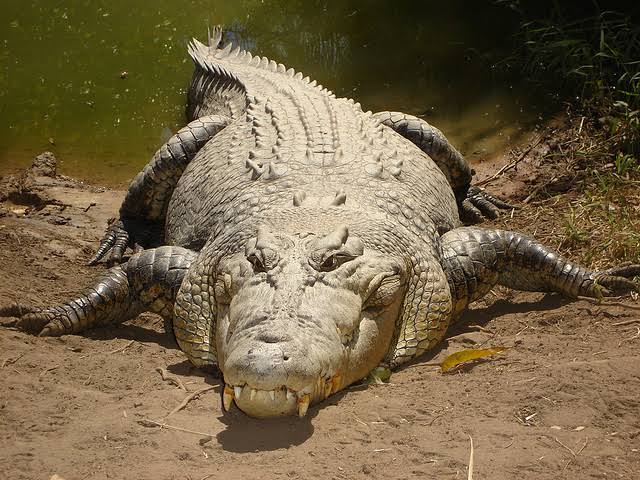
Best July – OctoberRemote open woodlands running from Seronera up to the Mara River on the Kenyan border. This is the stage for the famous river crossings, where wildebeest gather on the banks for hours or days before plunging in past waiting crocodiles. Quiet, wild, and the hardest region to reach.
Central Serengeti (Seronera)
Best year-roundThe park's core — a mix of savanna and woodland around the permanent Seronera River, home to the Serengeti's research institute and its highest density of resident predators. Because the water never fully dries up, lion, leopard and cheetah stay here regardless of where the migration is.
Western Corridor
Best May – JulyA long panhandle following the Grumeti and Mbalageti Rivers out toward Lake Victoria. Flatter and greener than the rest of the park, with far fewer vehicles. The migration passes through here from May to July, crossing the Grumeti's famously oversized Nile crocodiles.
Southern Serengeti & Ndutu
Best December – MarchShort-grass plains where the migration is born. Crucially, the Ndutu area itself sits just across the line in the Ngorongoro Conservation Area, not Serengeti National Park proper — which is exactly why off-road driving is allowed there when it isn't anywhere else in the Serengeti. More on that below.
Why Ndutu Isn't Technically "The Serengeti"
Ecologically, Ndutu is pure Serengeti — same short-grass plains, same migration, same herds. Administratively, it sits inside the Ngorongoro Conservation Area, which borders Serengeti National Park's southeastern edge. There's no fence and no visible line; wildlife (and safari vehicles) move between the two freely.
The practical difference shows up in the rules: Serengeti National Park prohibits off-road driving, but the Ngorongoro Conservation Area permits it in the Ndutu area — which is exactly why guides can get remarkably close during calving season without leaving a track behind. On the map above, switch on the Conservation Area layer to see where that line actually falls.
Africa's Biggest Lion Population
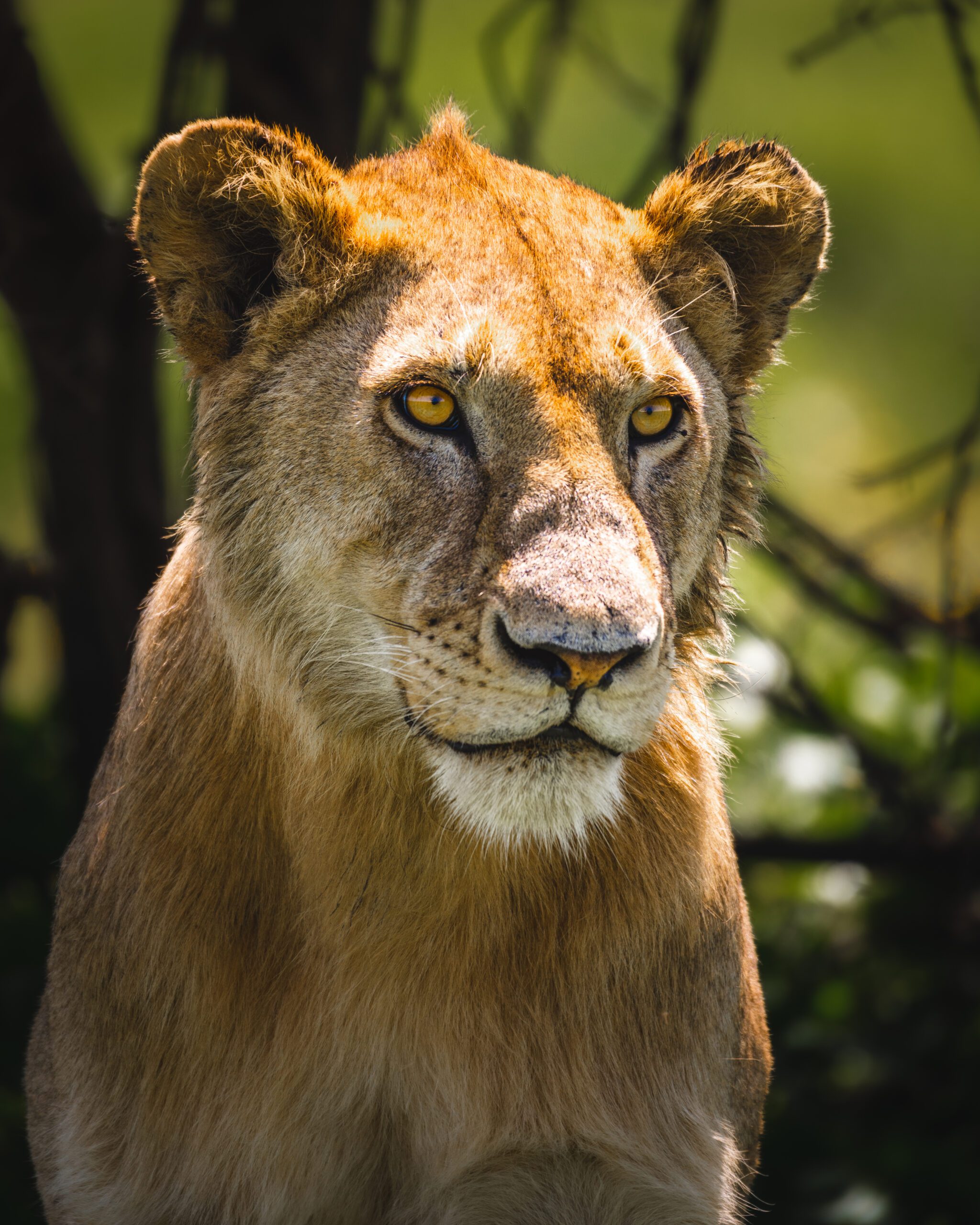
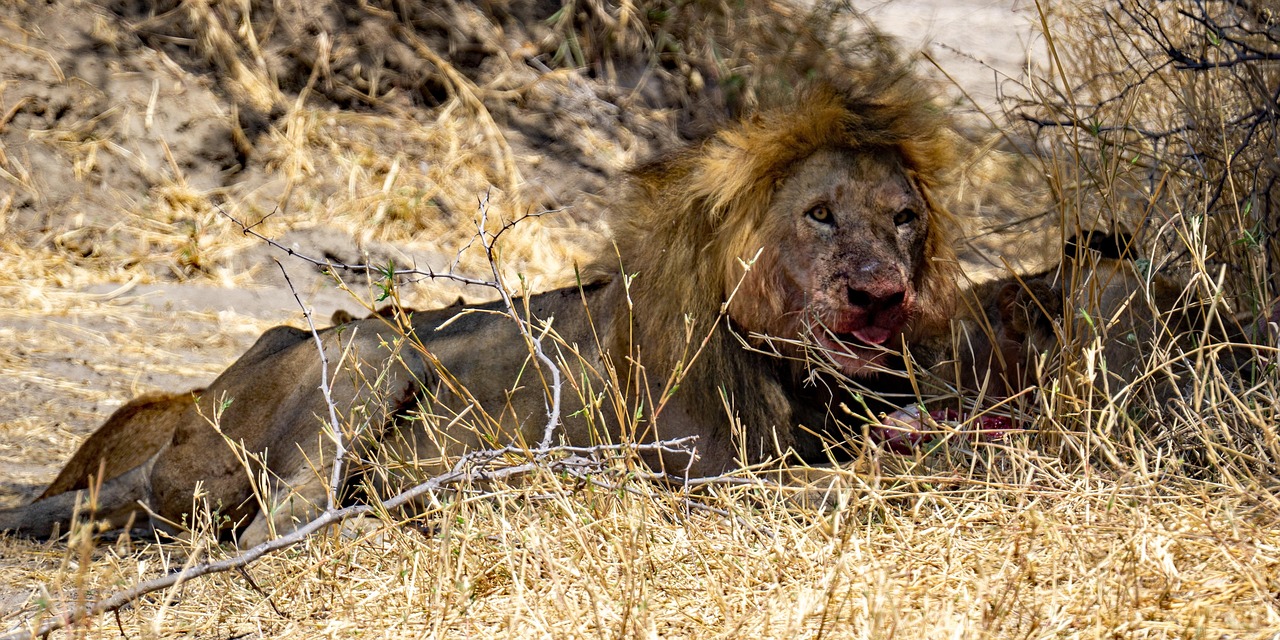
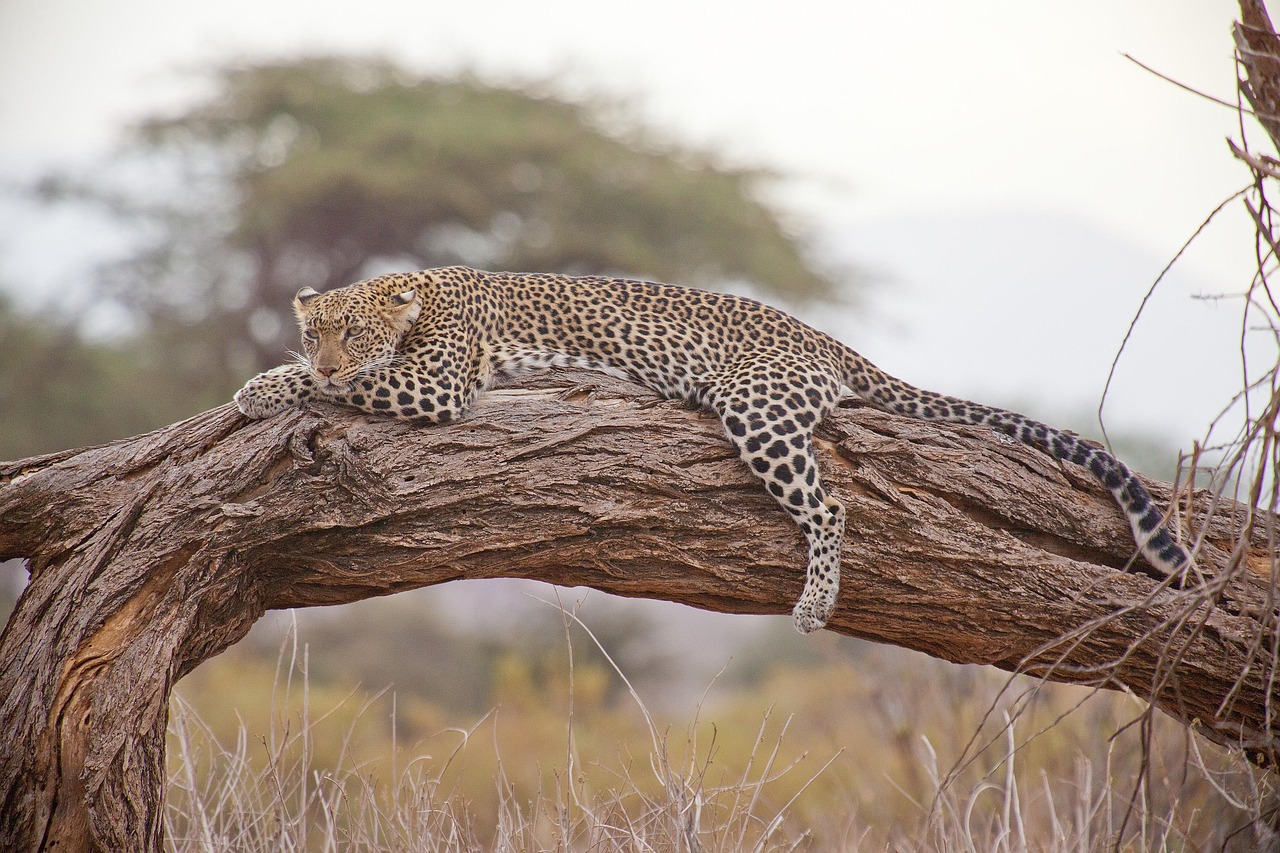
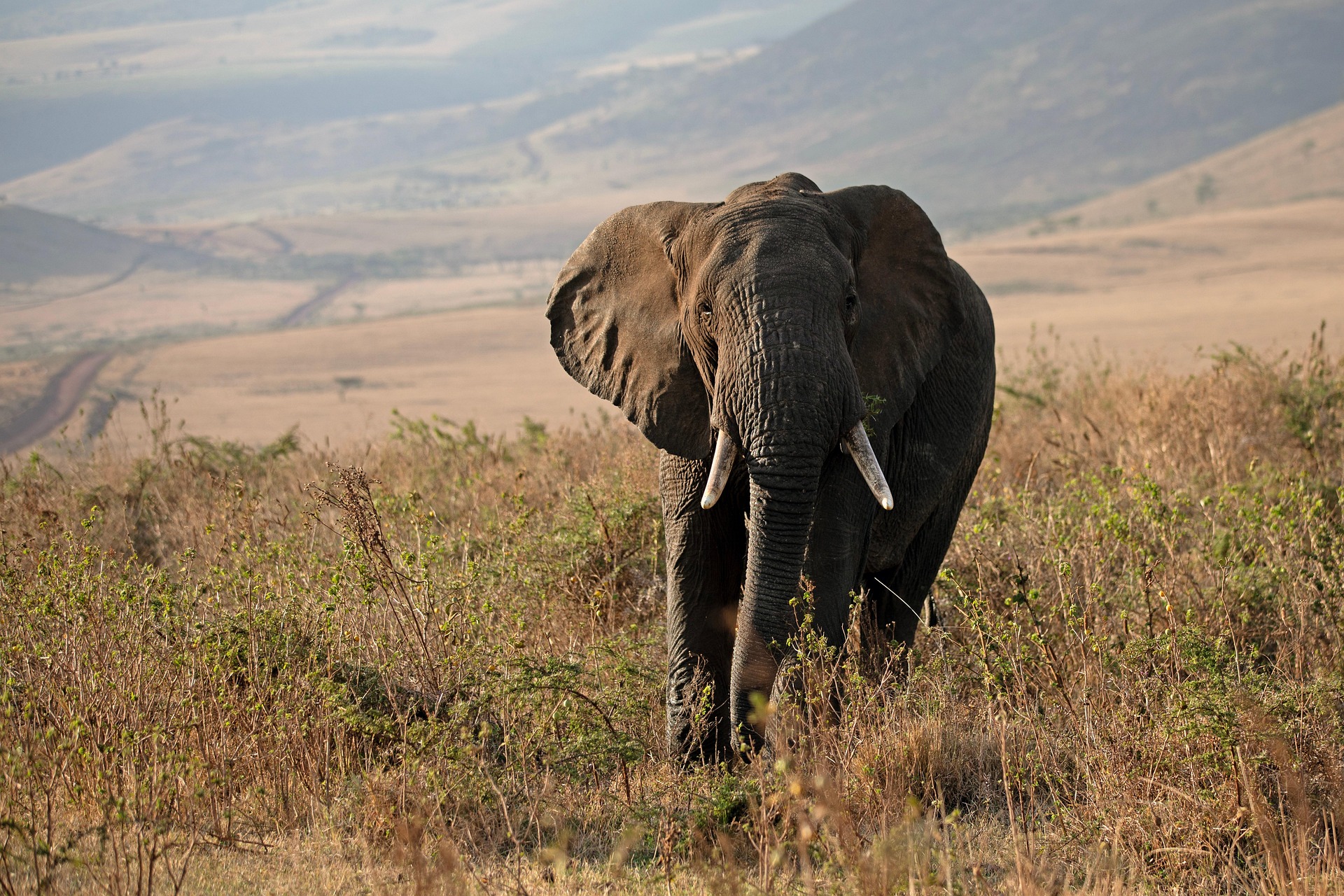
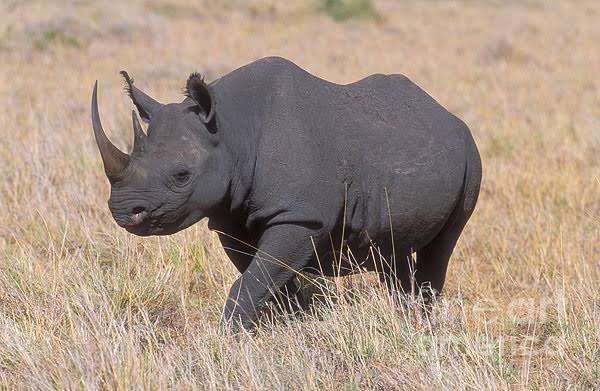
Serengeti National Park boasts a diverse wildlife collection with over 70 mammal species and 500 bird species, including Africa's Big Five. It's known for its lion prides — more than 3,000 live across the ecosystem, the largest population on the continent — along with tree-climbing leopards, roaming elephant herds, and the elusive, critically endangered black rhino, of which fewer than 70 remain in the park.
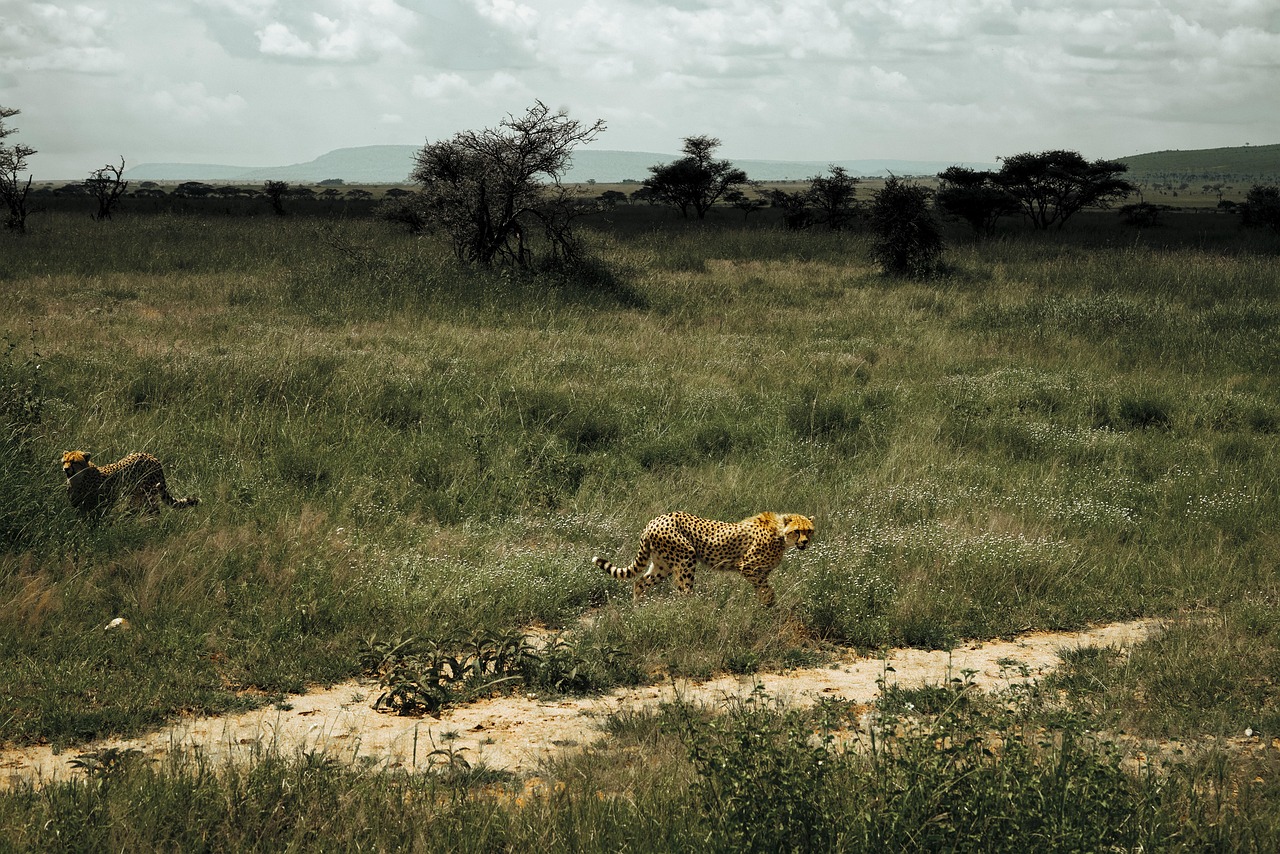
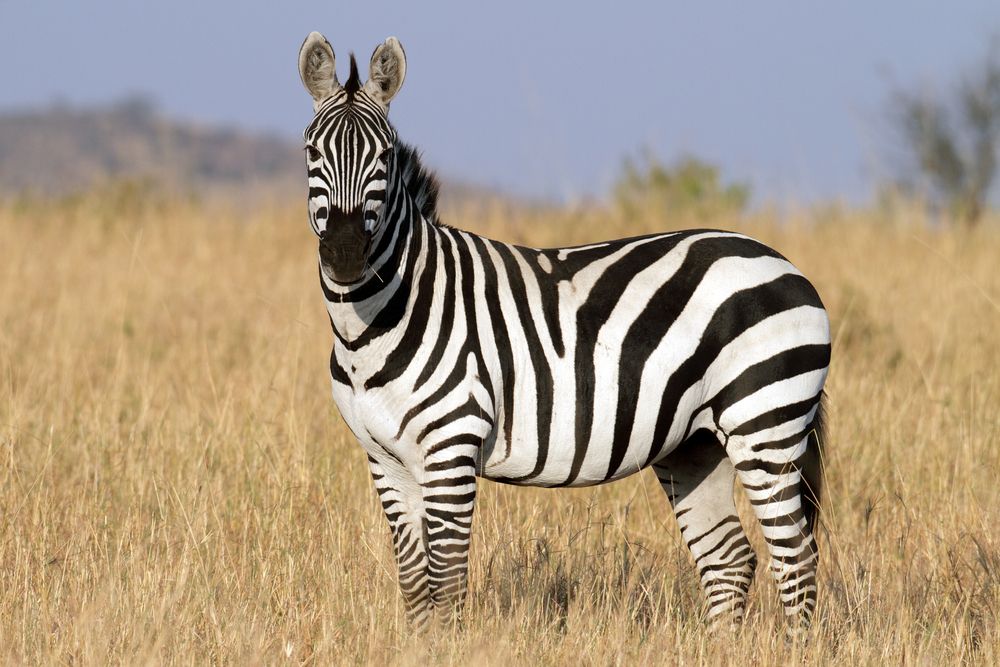
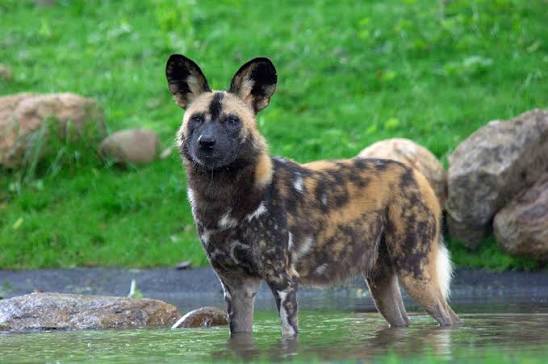
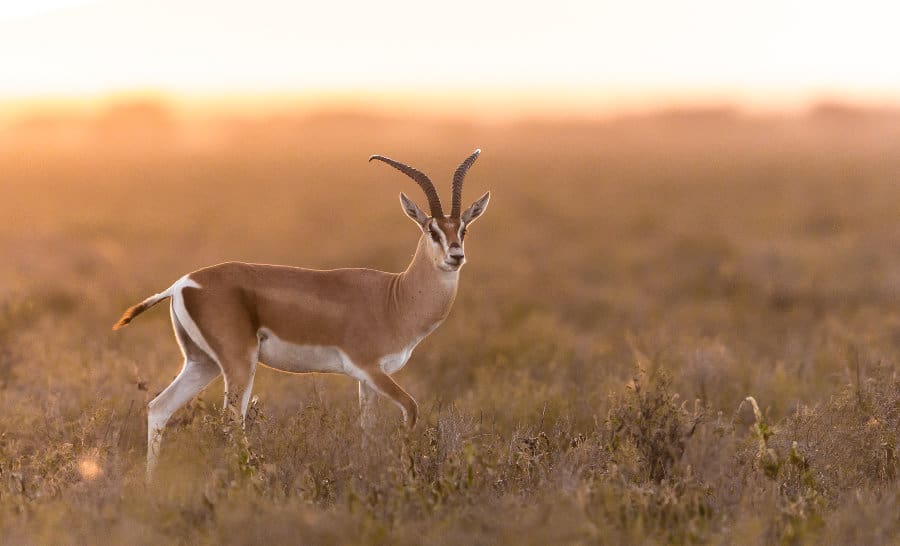
Beyond the Big Five, the park shelters large herds of zebra and gazelle, healthy cheetah numbers, African wild dog (reintroduced in 2012 after a two-decade absence), Nile crocodiles in the Grumeti and Mara rivers, and — genuinely — some of the most diverse dung beetle populations on Earth.
The Great Migration, Month by Month
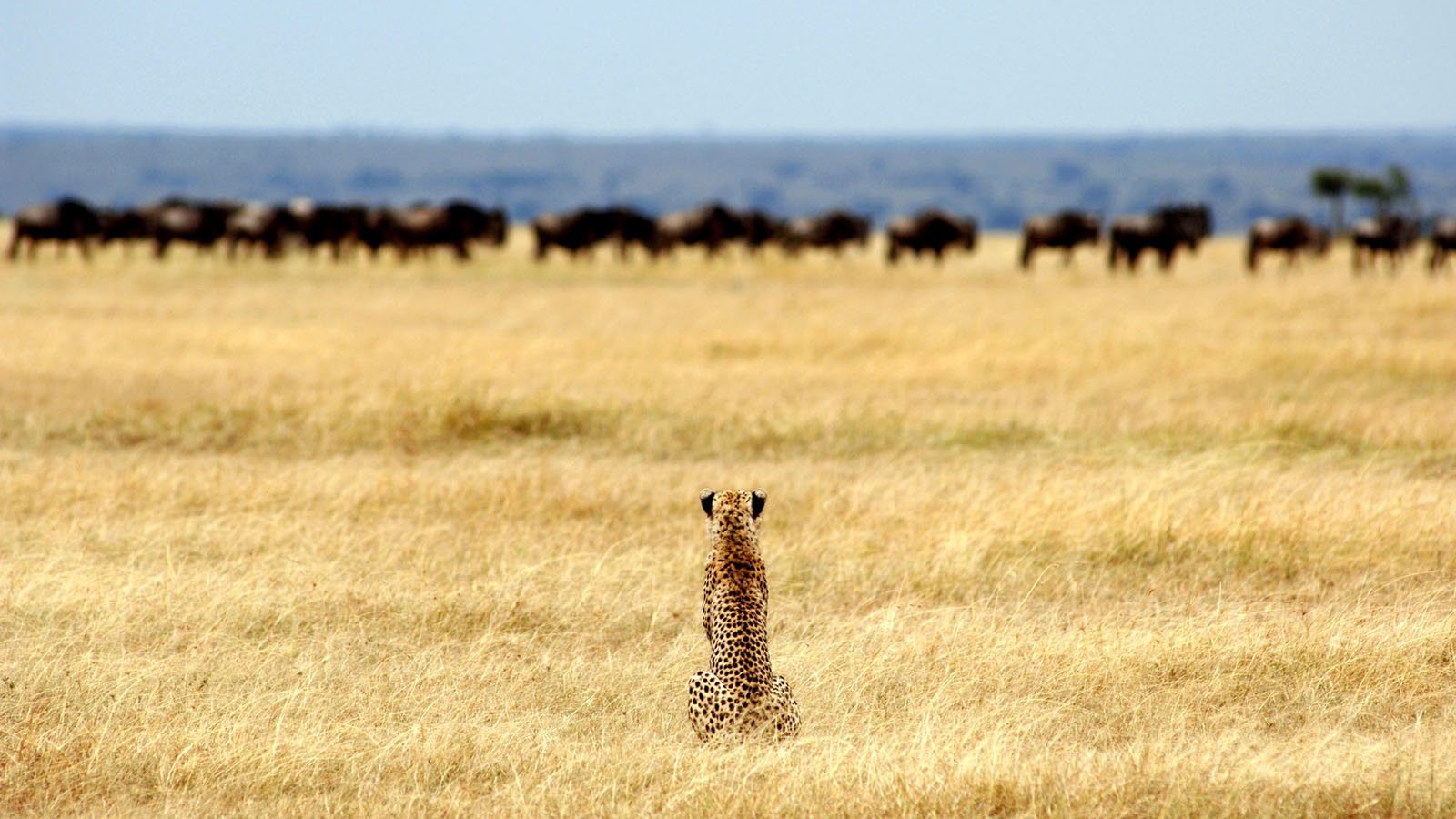
Perhaps the most famous spectacle on Earth: over 1.5 million wildebeest, alongside hundreds of thousands of zebra and gazelle, moving in a roughly 800 km clockwise loop that never really stops. The dates shift with the rains, but the pattern holds every year.
Calving begins, Ndutu plains
Peak calving — 500,000+ born
Herds linger on short grass
Move north through Seronera
Enter the Western Corridor
Grumeti River crossings
Push toward the Mara River
Mara River crossings begin
Peak crossing season
Herds range the far north
Short rains turn herds south
Back on the southern plains
More Than Just the Migration
If the reasons above aren't compelling enough, visiting the Serengeti offers more than wildlife viewing — it's an opportunity to immerse yourself in an untamed environment, a world away from the hustle of city life.
Experience the thrill of a hot air balloon ride at dawn, with the golden sunrise illuminating the vast plains below. Or enjoy a tranquil evening around a campfire, gazing at an African night sky largely untouched by light pollution. Whether you're a wildlife enthusiast, birder, photographer, or adventure-seeker, the Serengeti's immense size and abundance of wildlife make it a top destination for any African safari.
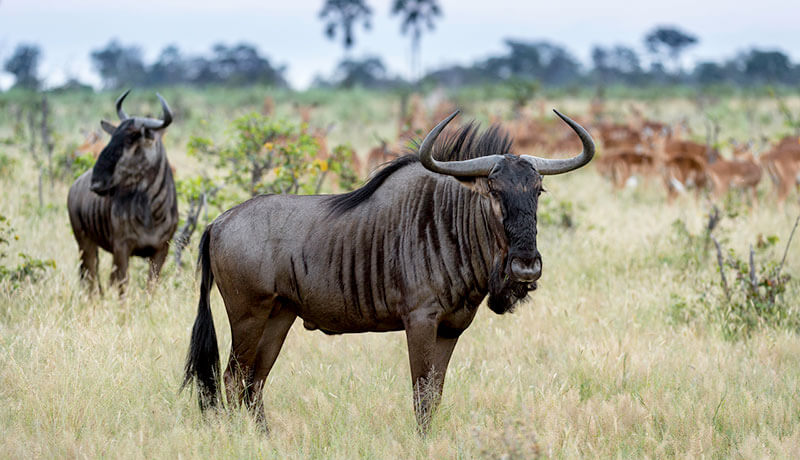
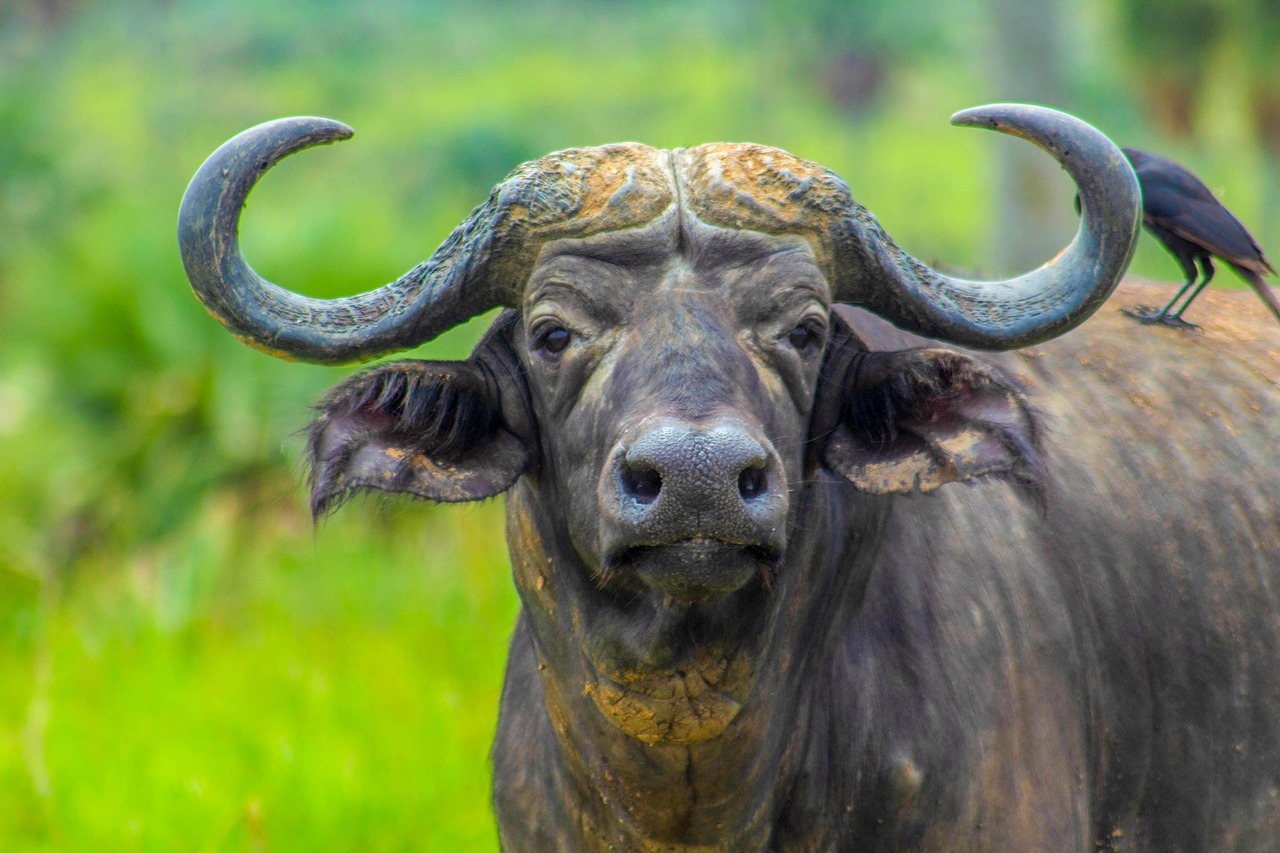
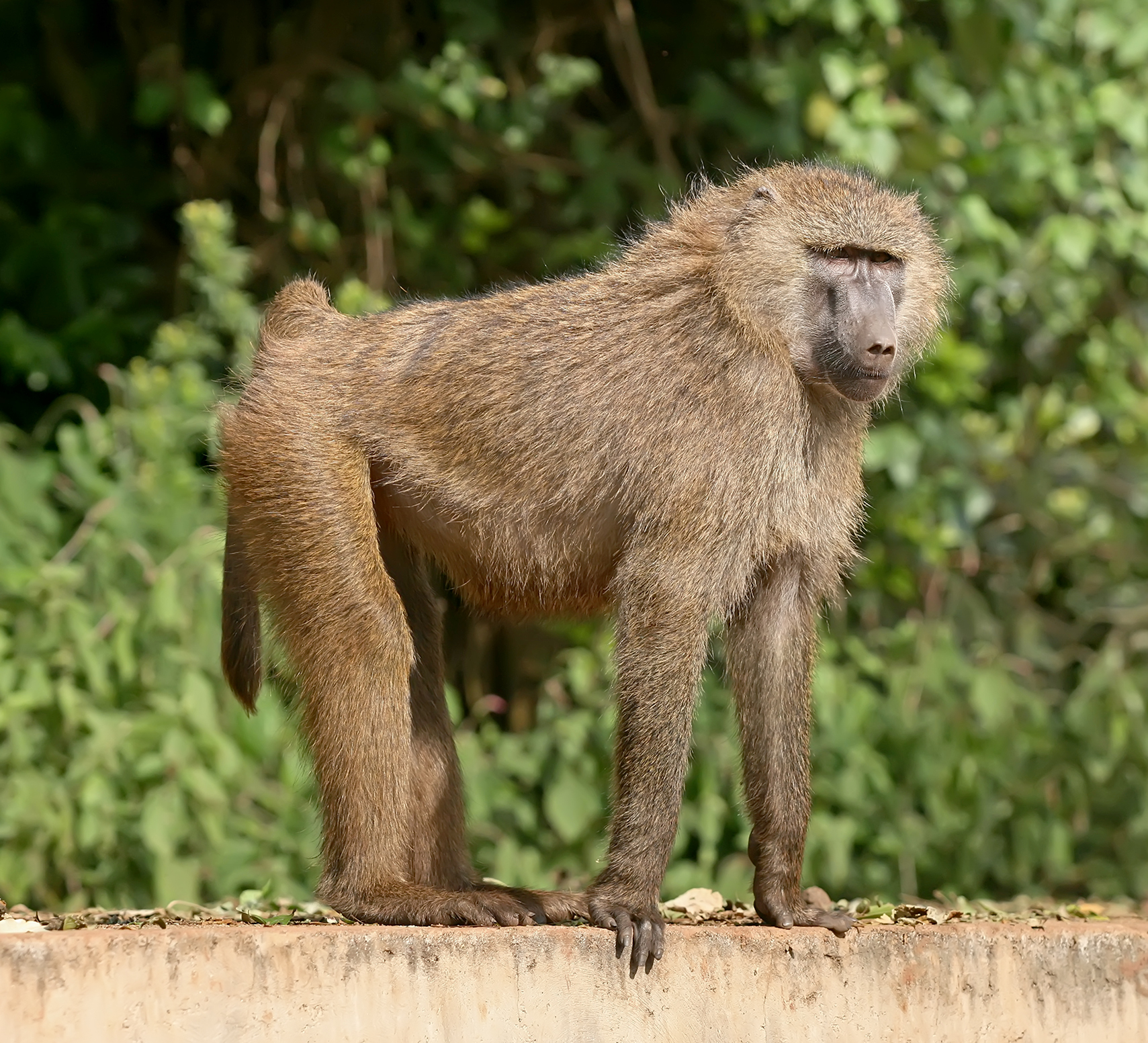
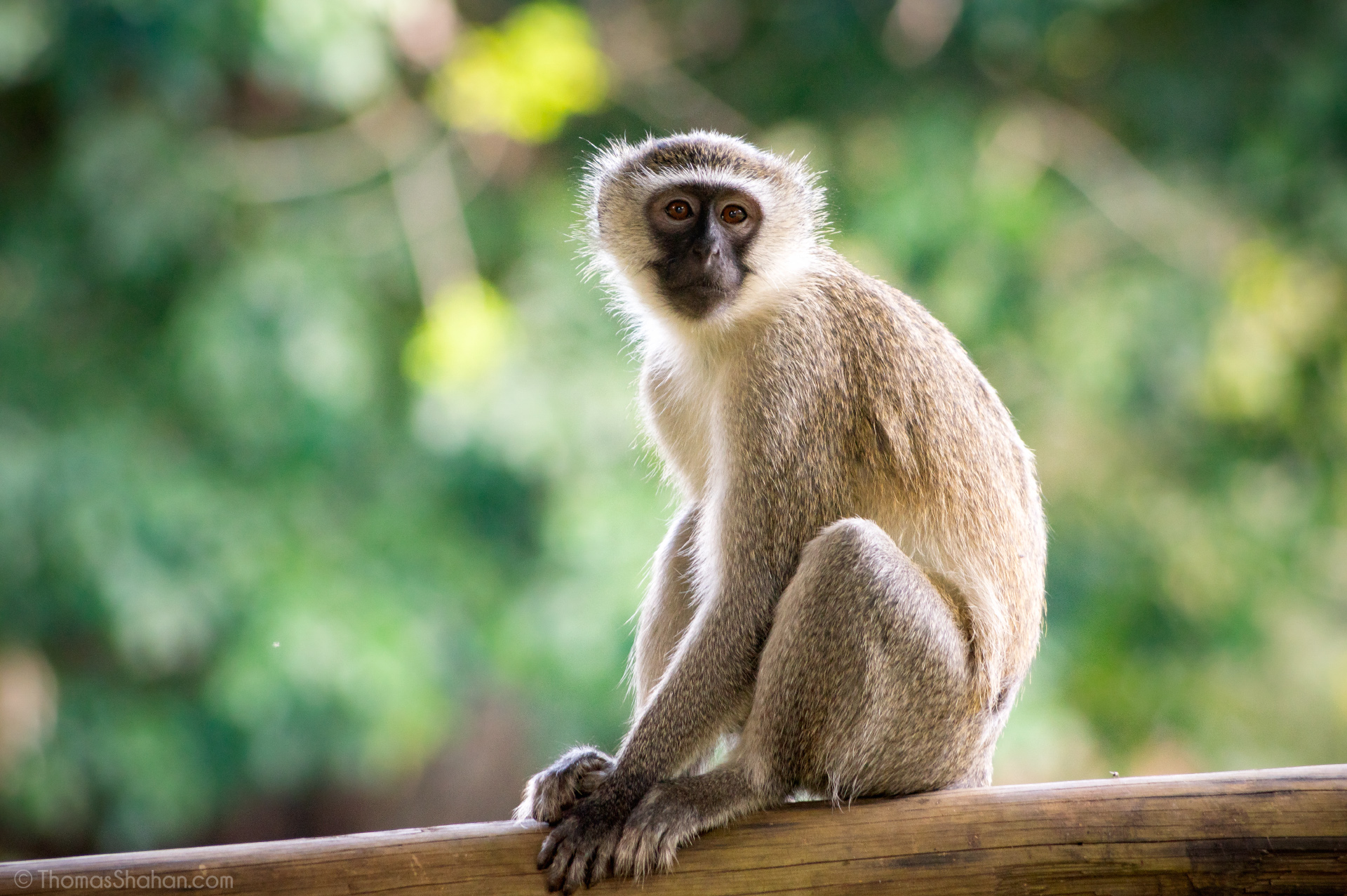
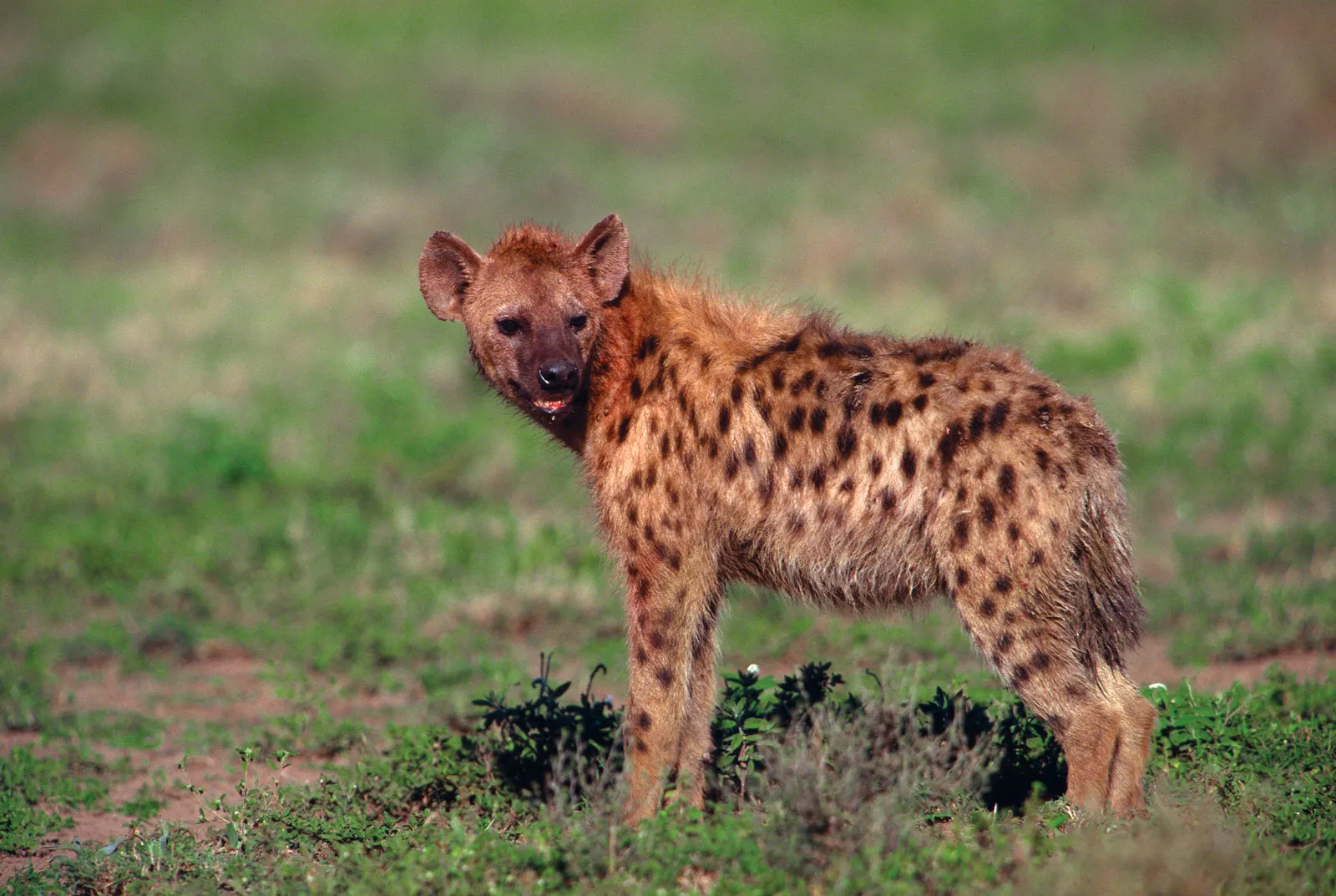
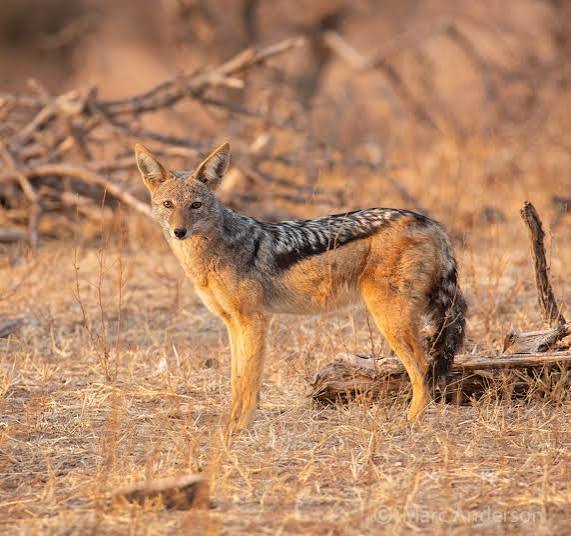
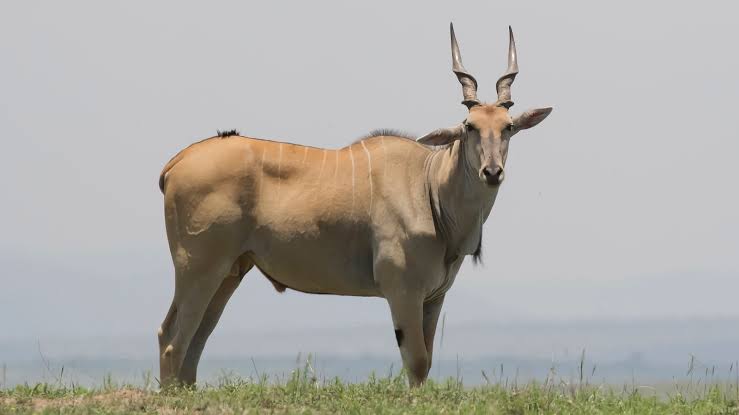
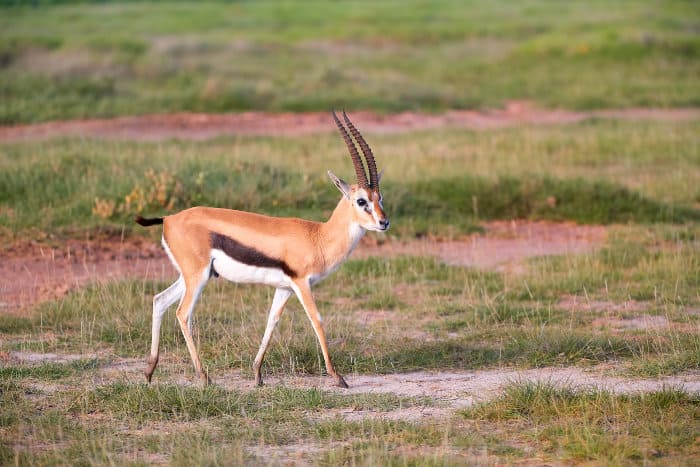
Animals to Spot in Serengeti National Park
Gates & Access
Most itineraries enter through Naabi Hill Gate, continuing on from Ngorongoro — but which gate makes sense depends entirely on which region you're headed to and where you're coming from.
Naabi Hill Gate
The main entrance, on the border with the Ngorongoro Conservation Area — the natural route for anyone combining the Serengeti with Ngorongoro or Tarangire.
Klein's Gate
Tucked in the far northeast corner, used by travelers arriving from the Loliondo Game Controlled Area.
Bologonja Gate
Opens onto the Mara River area in the far north — the gateway to the river-crossing season.
Ikoma (Fort Ikoma) Gate
On the northwestern border near the Grumeti Game Reserve and Robanda village — a common route for Western Corridor itineraries.
Ndabaka Gate
The western entrance between Musoma and Mwanza, closest to Lake Victoria — used for itineraries approaching from the west.
Seronera Airstrip
Scheduled light-aircraft flights connect Seronera, the park's main hub, directly to Arusha and other northern circuit airstrips.
Planning Your Visit
Where to Stay
Accommodation choices span from camping and budget lodges to luxury tented camps, spread across all four regions. Many travelers move camp two or three times over a trip to follow the migration between regions.
Activities
Guided game drives, walking safaris, and hot air balloon safaris over the plains at dawn. In the Ndutu area specifically, off-road driving is permitted for closer access during calving season.
Ready to Add the Serengeti to Your Safari?
Every Kiliwarrior safari is custom and private. Tell us what you're after and we'll build an itinerary around it — including exactly which Serengeti regions make sense for your dates.