

Ngorongoro Crater
The world's largest intact volcanic caldera — a self-contained Eden holding one of the densest concentrations of wildlife on Earth.
A World Apart, Walled In by Its Own Rim
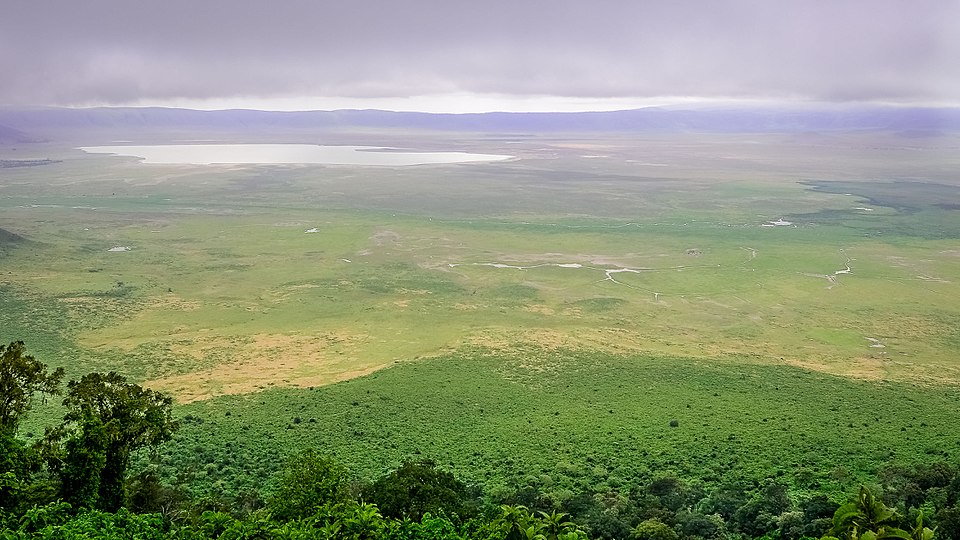
Ngorongoro Crater is a remarkable blend of diverse ecosystems and thriving wildlife, set in the Crater Highlands region of Tanzania. This UNESCO World Heritage Site is among Africa's most-visited safari destinations, promising an unforgettable look at the continent's most concentrated wildlife habitat.
The crater itself formed two to three million years ago when a volcano roughly the size of Kilimanjaro erupted and collapsed in on itself. What's left is the world's largest inactive, intact, unfilled caldera — a natural amphitheater walling in an entire ecosystem.
Explore Ngorongoro on the Map
Tap a marker to see gates, landmarks and water features. This map shows two separate outlines — the small crater rim and the much larger Conservation Area around it — so you can see exactly how the two relate.
Map Layers
Boundaries
Markers
Crater vs. Conservation Area — What's the Difference?
These two names get used interchangeably, but they describe very different things. The Ngorongoro Conservation Area (NCA) is the entire 8,300 km² protected district — plains, forests, gorges and volcanic highlands stretching from the Serengeti border to Lake Eyasi. The Ngorongoro Crater is a single feature inside it: a 19 km-wide, 260 km² volcanic caldera that makes up roughly 3% of the NCA's total area. On the map above, the small gold-and-red outline is the crater; the large dashed outline is the entire Conservation Area it sits inside.
The Crater — 260 km²
A single, self-contained caldera: 19 km across, 610 m deep, floor sitting 1,800 m above sea level. A closed natural enclosure of grassland, swamp and soda lake, home to an estimated 25,000 large animals year-round. This is the single day-trip destination most people mean when they say "Ngorongoro."
The Conservation Area — 8,300 km²
The full protected district surrounding the crater — over thirty times its size. It includes the forested crater highlands, Olmoti and Empakaai craters, Olduvai Gorge, and open plains that connect to the Serengeti. It's also the only conservation area in Tanzania where the Maasai still live and graze cattle alongside the wildlife.
One of the Densest Concentrations of Wildlife on Earth
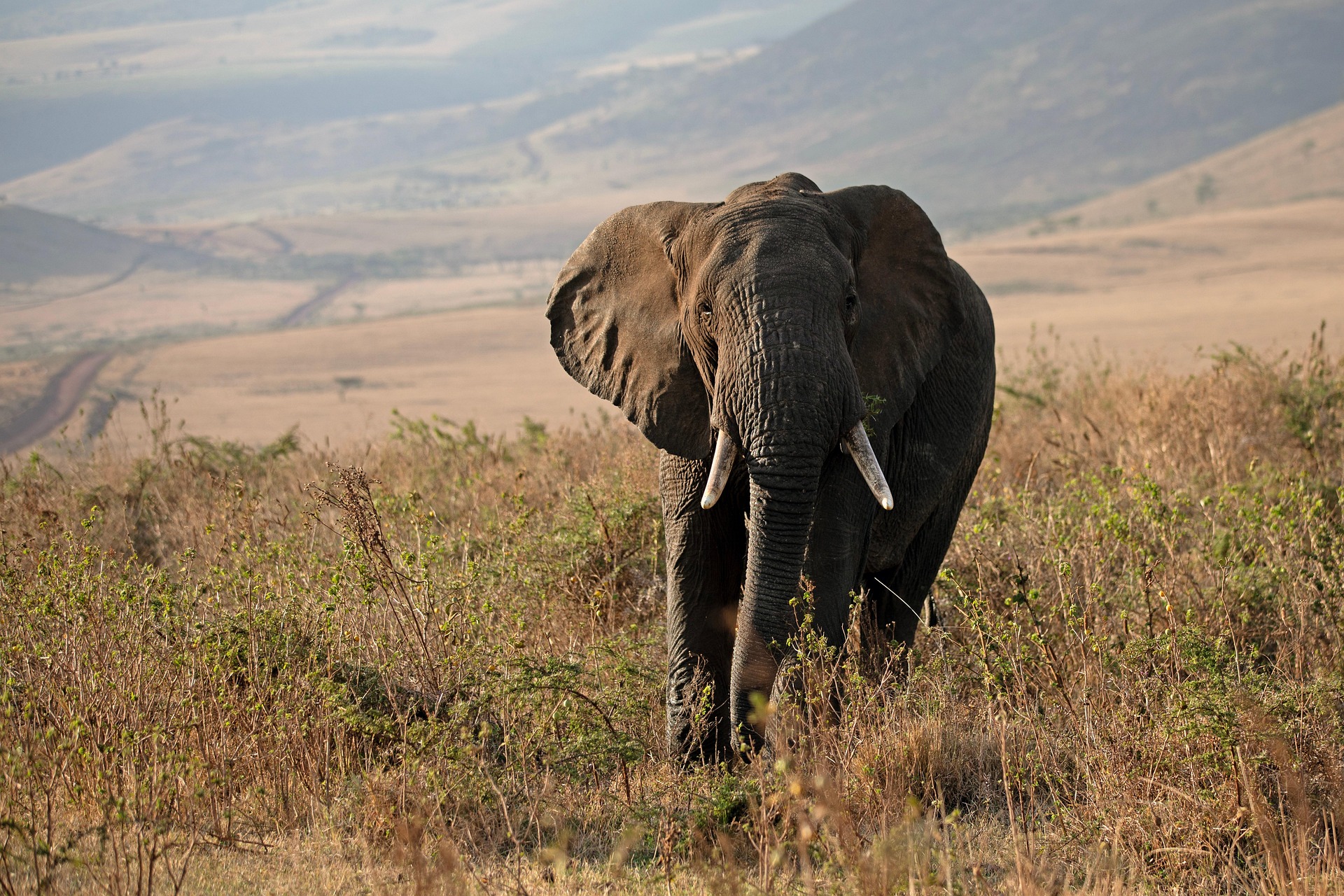
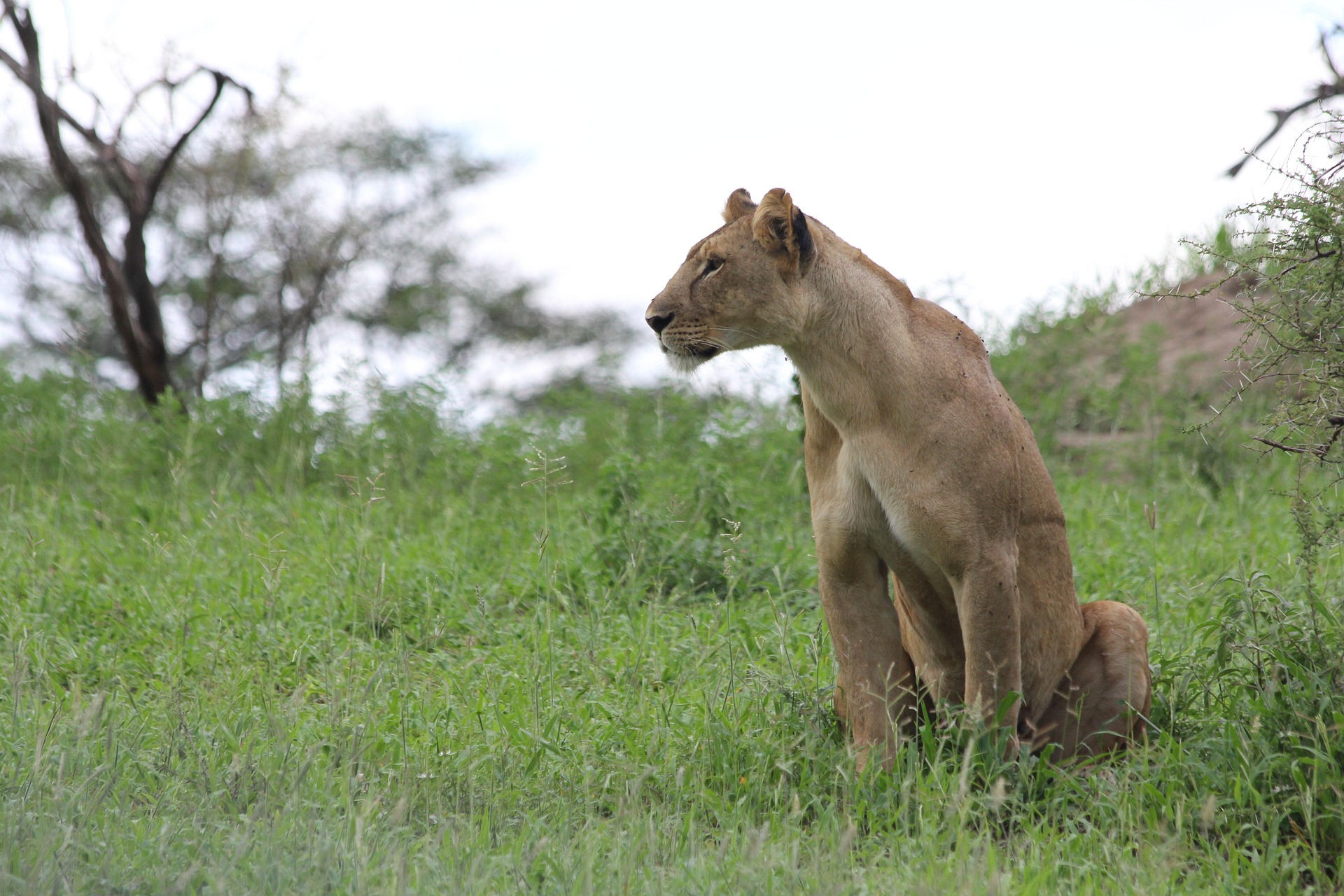
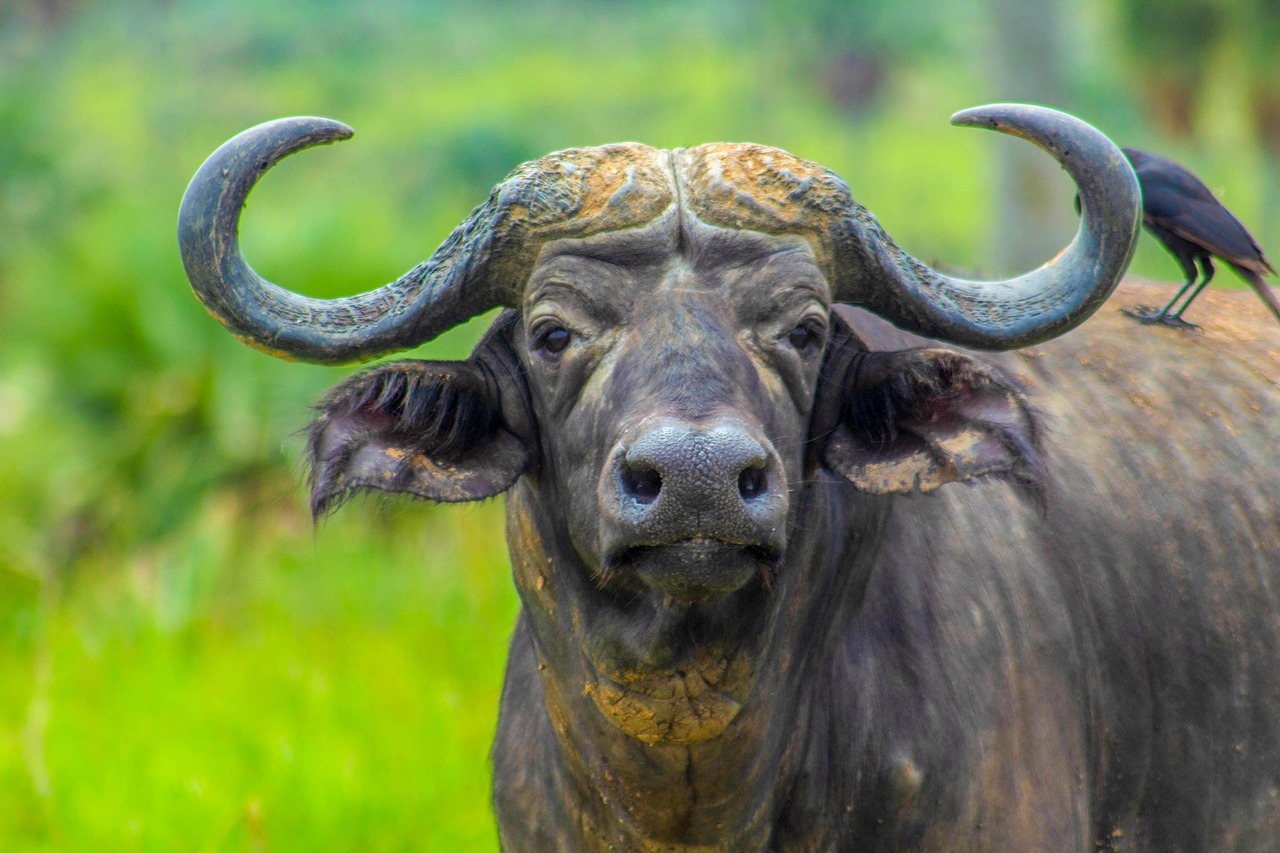
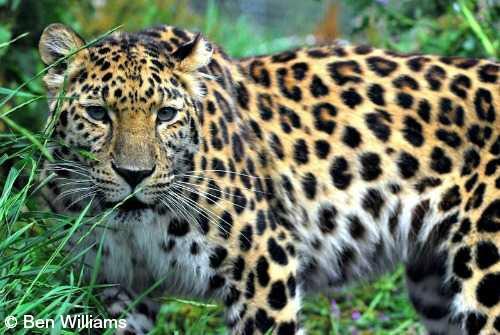
The crater's compact size belies its richness. As home to the Big Five, it holds healthy populations of lion, leopard, elephant and buffalo, alongside the critically endangered black rhinoceros — one of East Africa's genuine conservation success stories, recovering from a low of just 13 animals in 1993 to around 55 today.
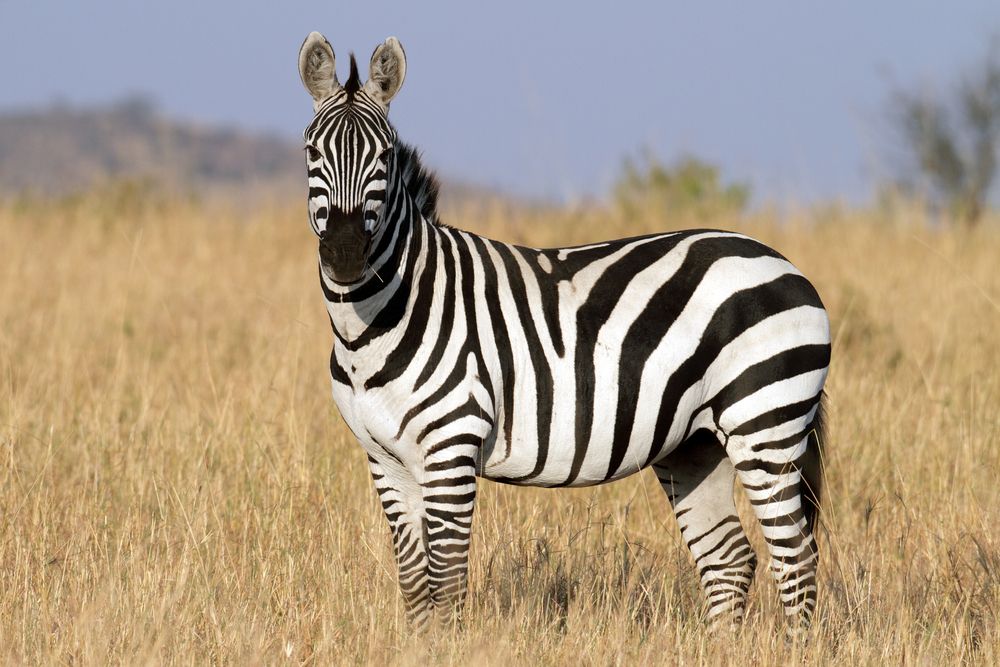
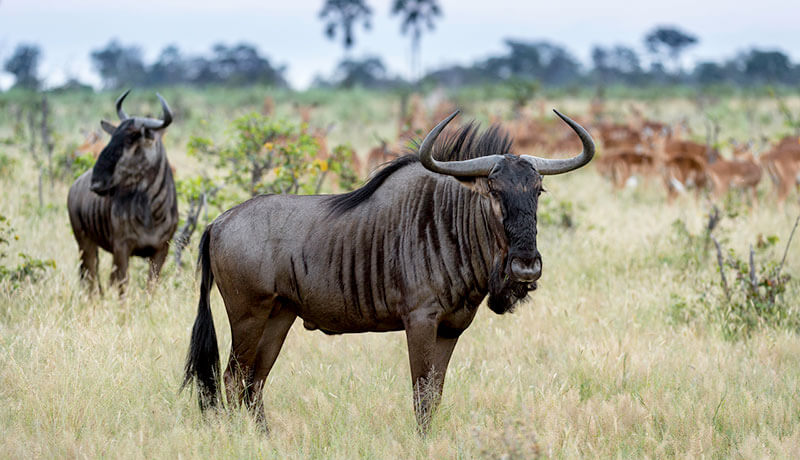
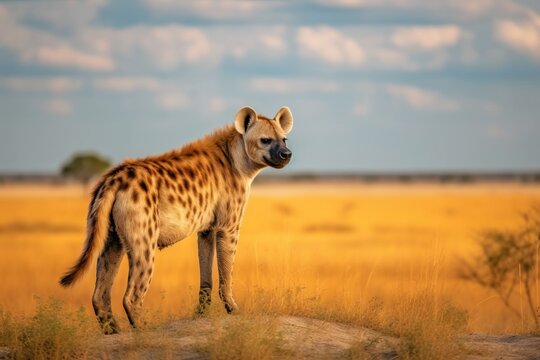
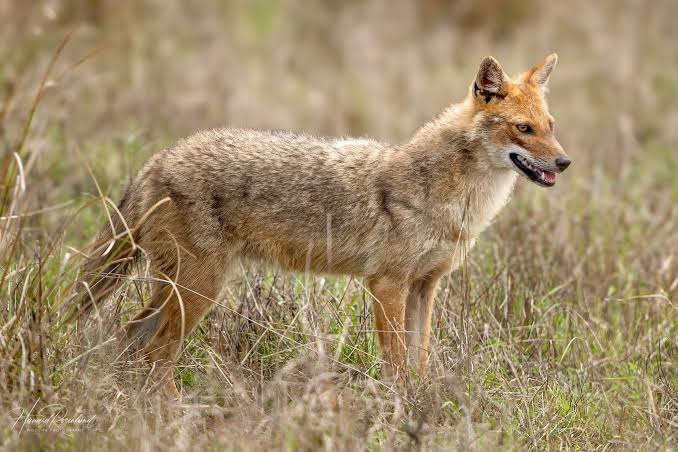
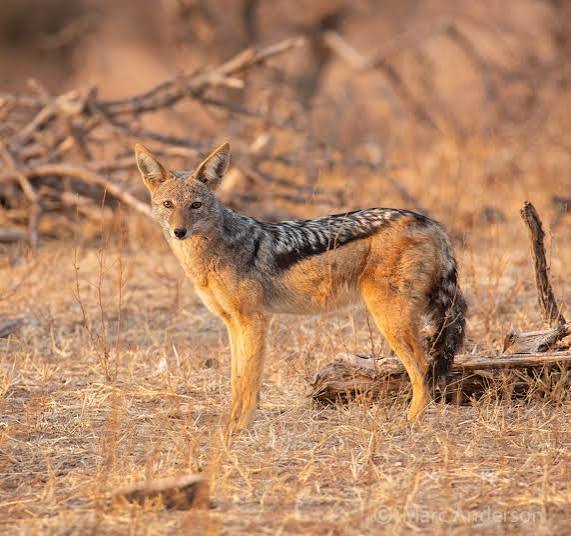
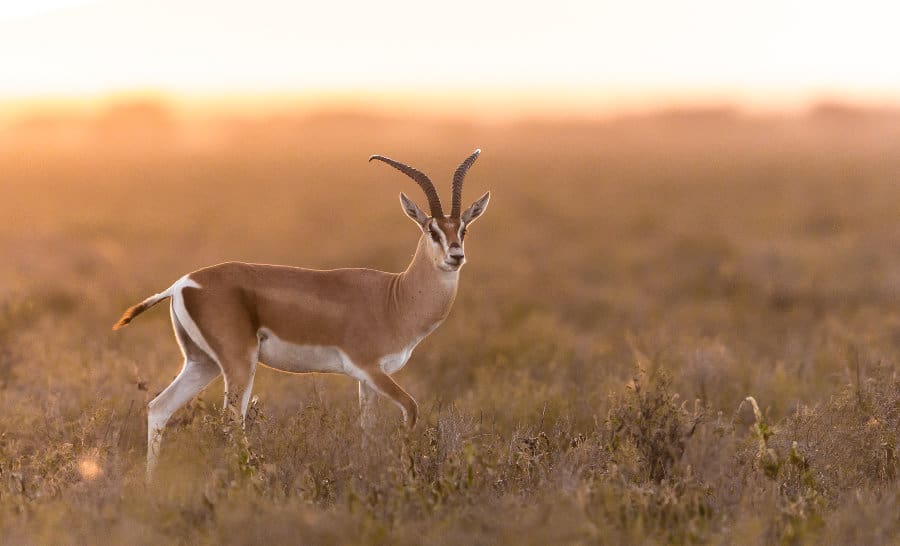
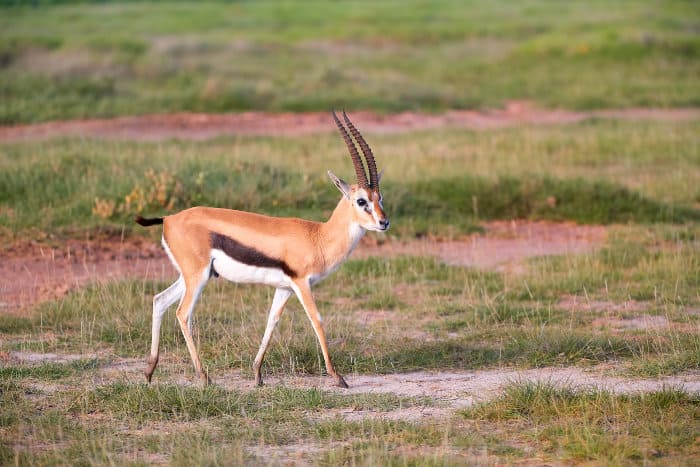
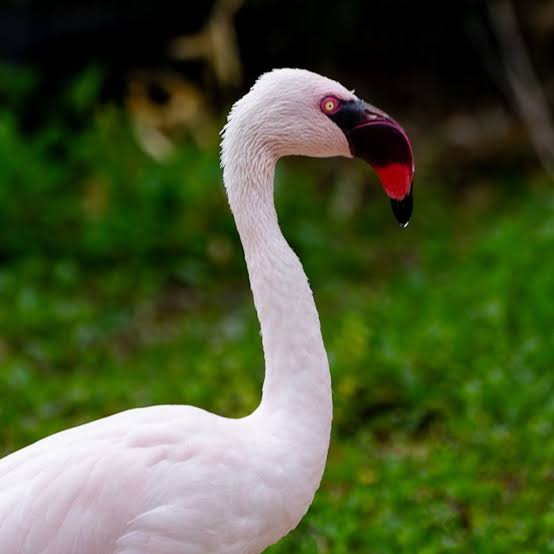
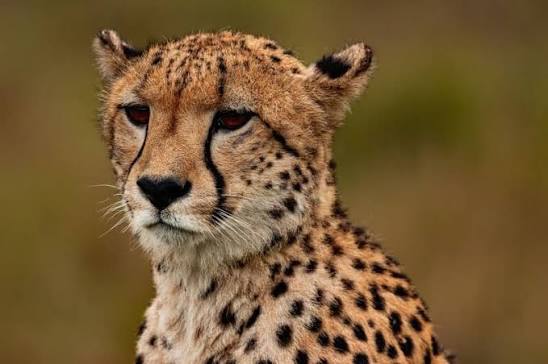
During the wet season, large herds of wildebeest, zebra and Thomson's gazelle graze the crater floor. Spotted hyena, jackal and — more rarely — cheetah also roam here, and the shallow soda waters of Lake Magadi regularly draw thousands of flamingos.
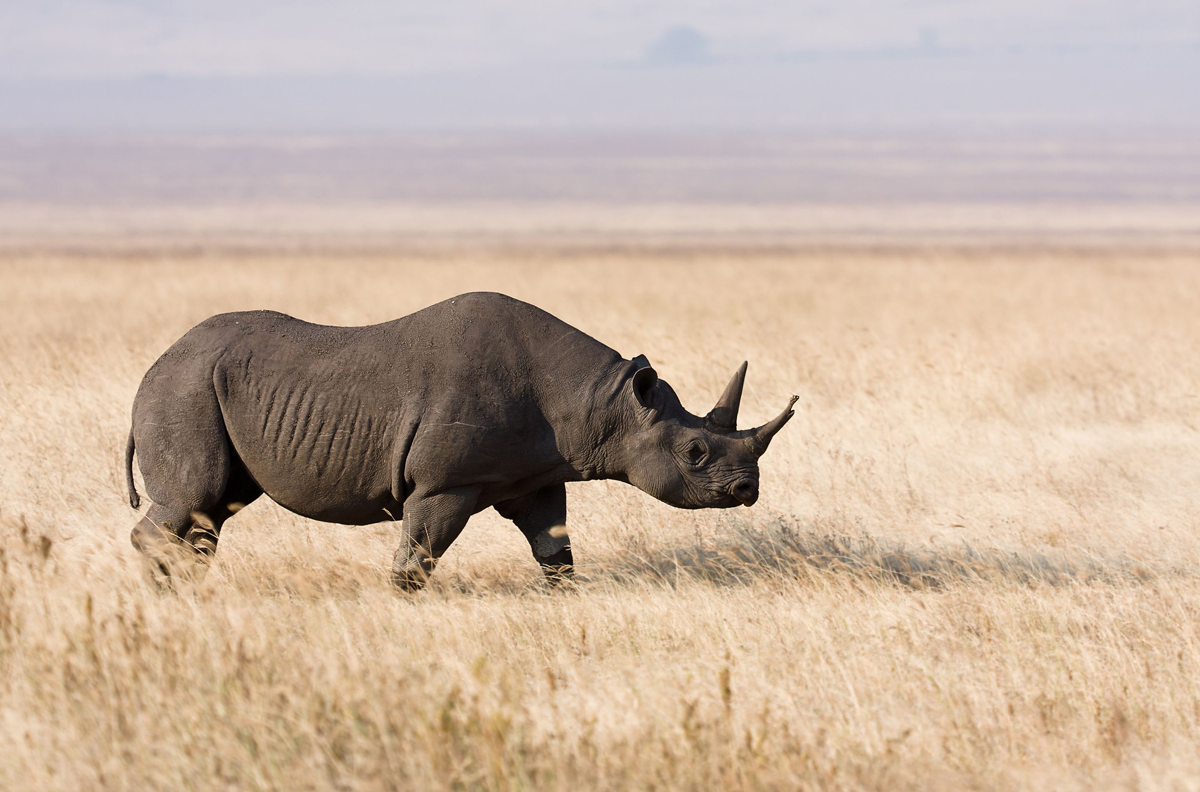
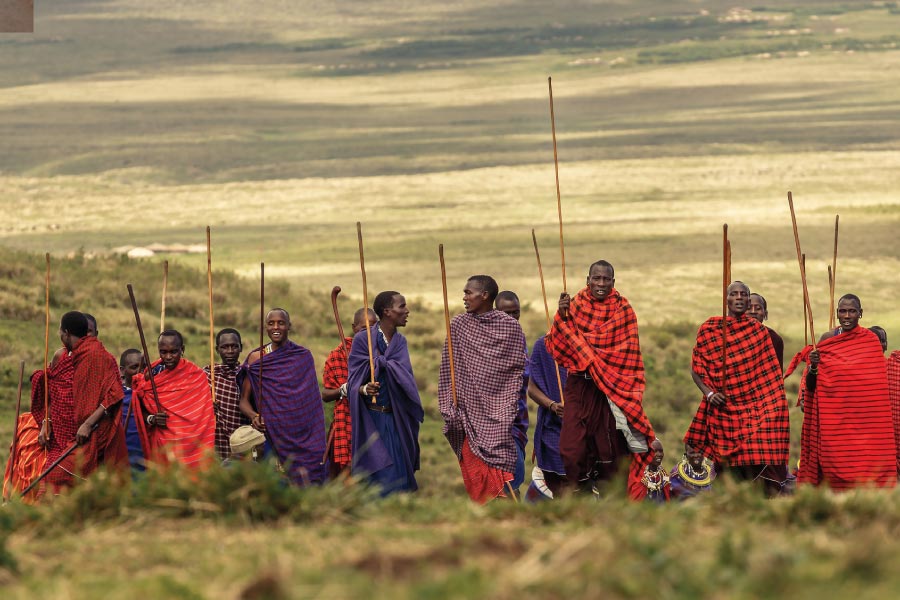
Close Encounters, Enclosed by Nature
Ngorongoro's enclosed geography creates a natural habitat that concentrates wildlife like almost nowhere else in Africa, giving visitors an unusually high chance of close, unhurried sightings — the crater is famous as one of the most reliable places on the continent to find all of the Big Five in a single day.
It's also home to the Maasai people, who bring a rare cultural dimension to the landscape. Unlike most national parks, the Ngorongoro Conservation Area is managed as a multiple land-use area — the Maasai live within its boundaries, herding cattle across the same highlands the wildlife calls home, a natural and cultural harmony you won't find in Tanzania's other parks.
When to Visit, Month by Month
Ngorongoro is a genuine year-round destination — the crater's water and grass never fully dry up, so wildlife rarely leaves. The dry season simply makes for the clearest, most photogenic viewing.
Short dry spell, good visibility
Calving on surrounding plains
Rains build
Wettest month, lush and quiet
Rains taper off
Clear skies begin
Cool mornings on the rim
Excellent visibility
Prime game viewing
Dry season winds down
Short rains begin
Migration herds pass the NCA plains
Why Ngorongoro Belongs on Your Itinerary
Ngorongoro Crater offers an exceptional wildlife experience. This geographically blessed park guarantees an amazing range of animals within one of the most beautiful settings in Africa, and its cultural interactions illuminate the link between human tradition and the landscape that sustains it.
From game drives across the crater floor to guided walks along the rim and visits to Maasai villages, every moment here is built for the kind of memory that anchors a whole trip. Pair it with Tarangire, Lake Manyara or the Serengeti and you've covered the best of Tanzania's northern circuit.
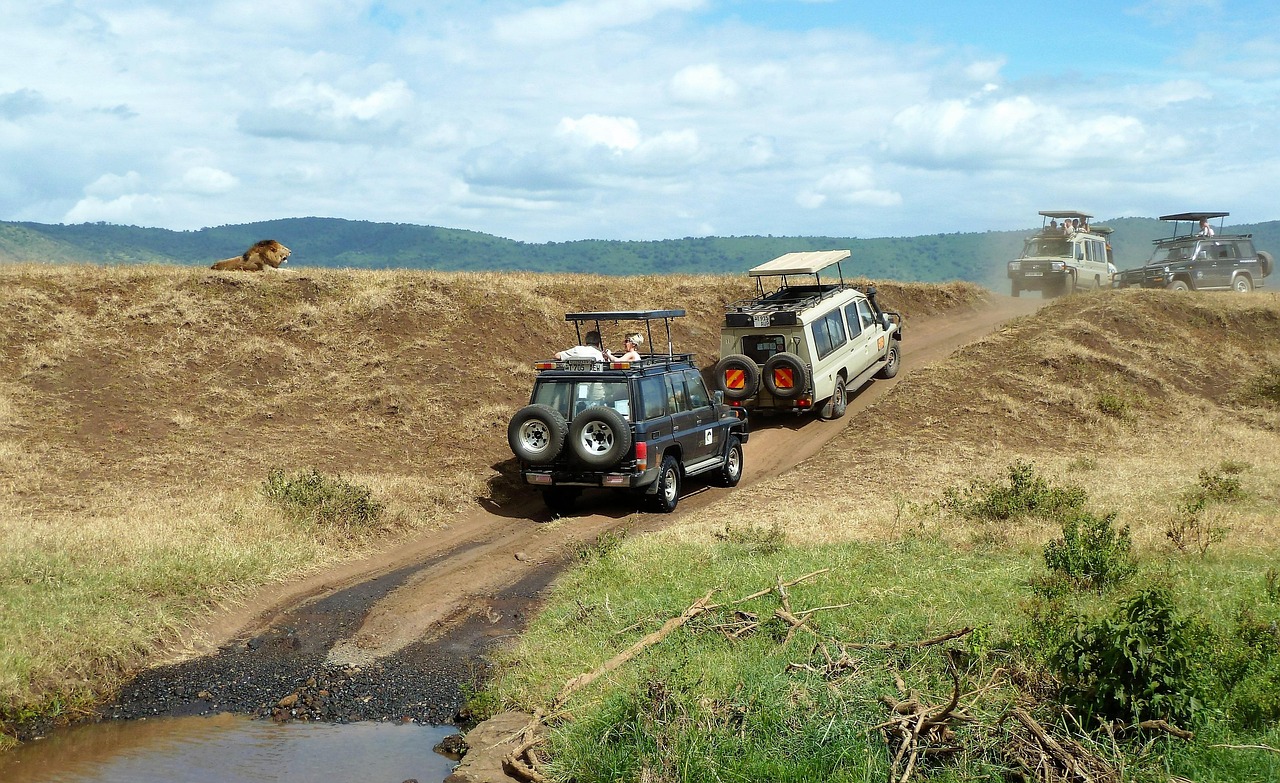
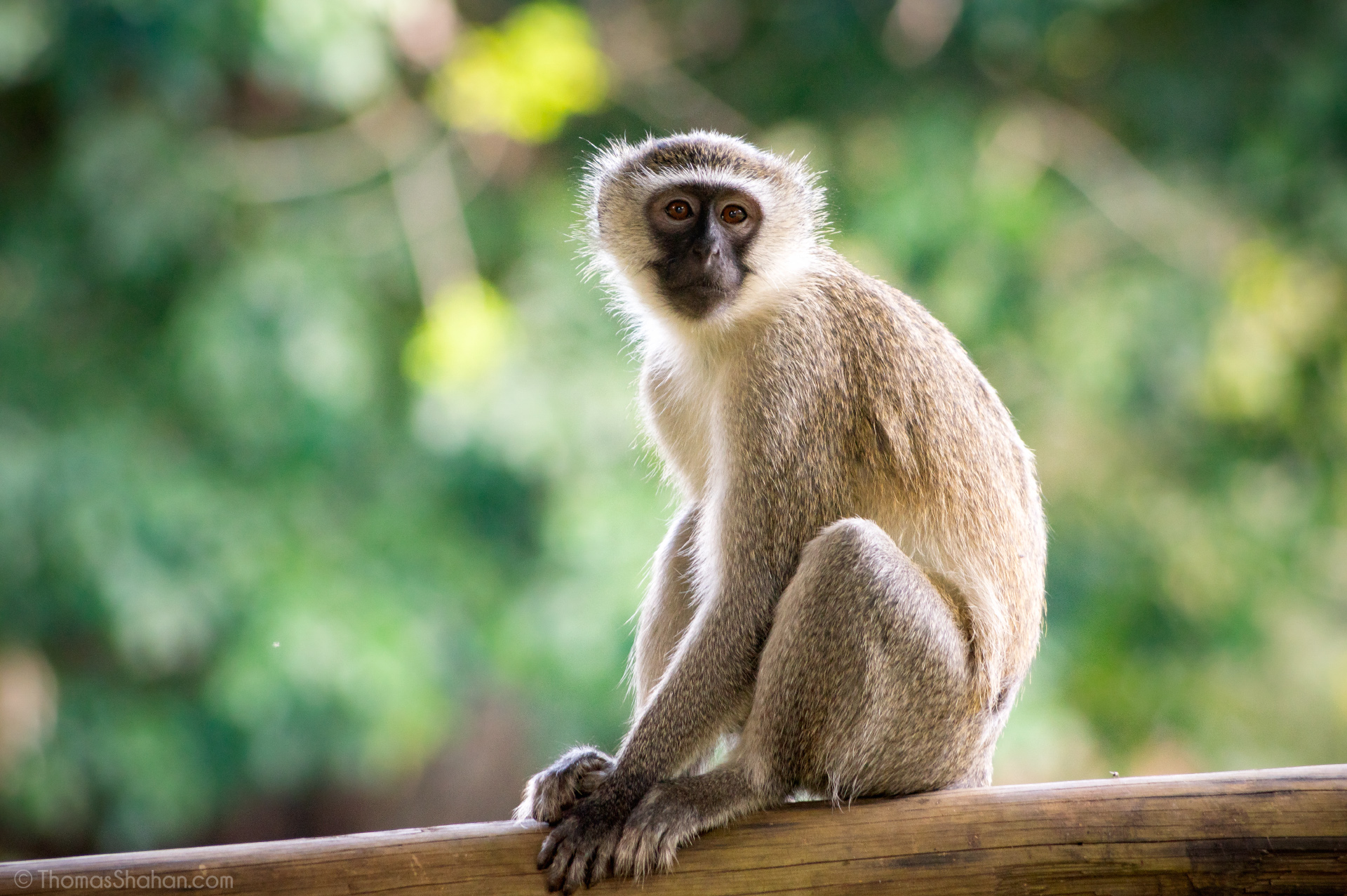
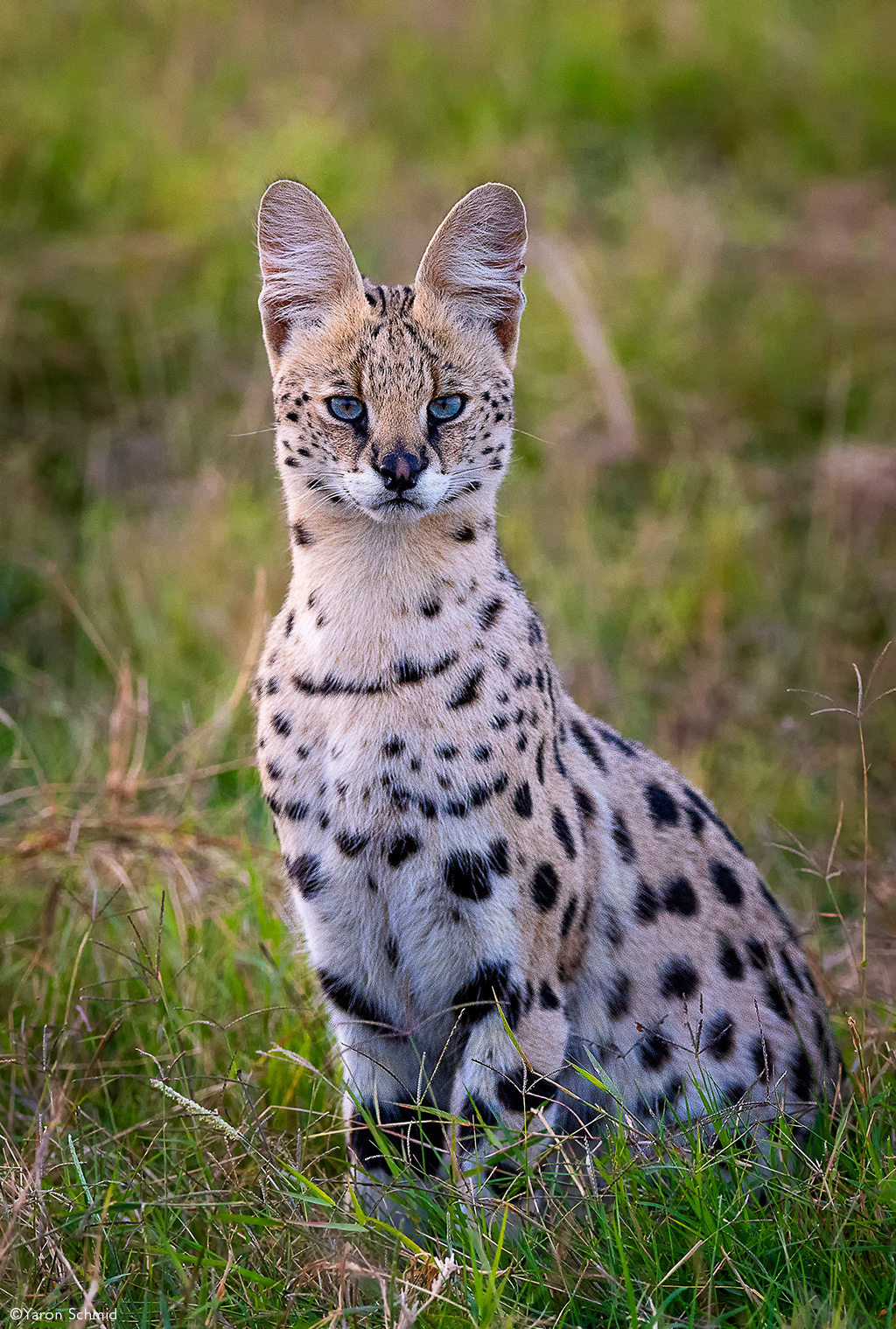
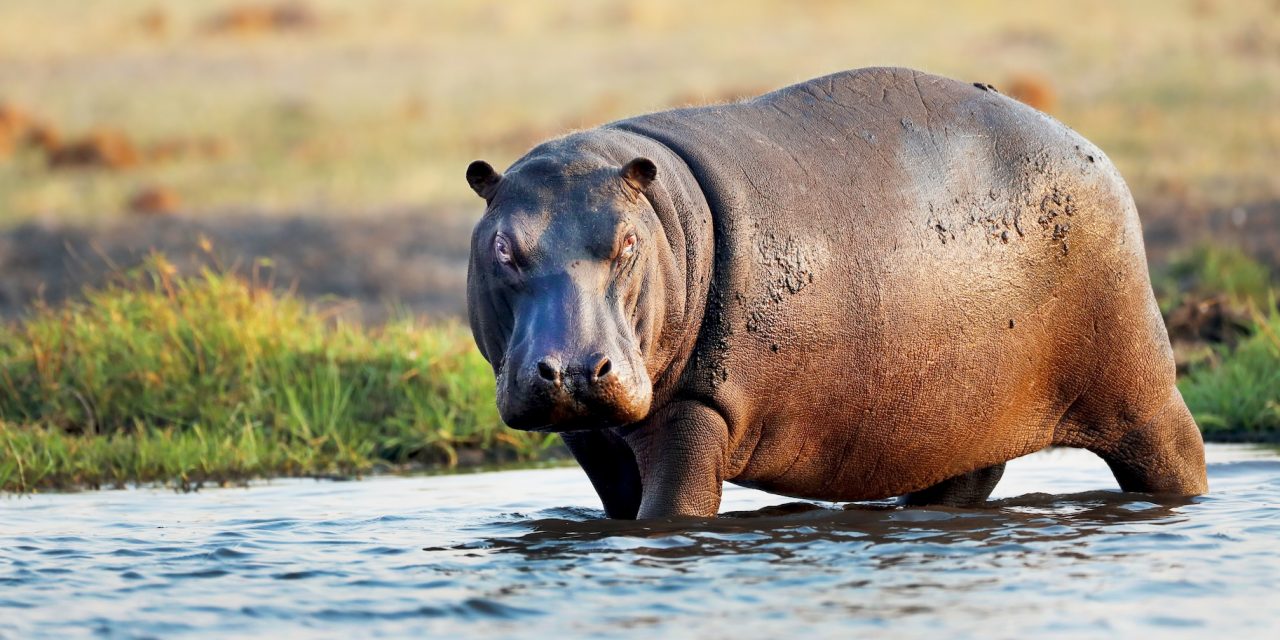
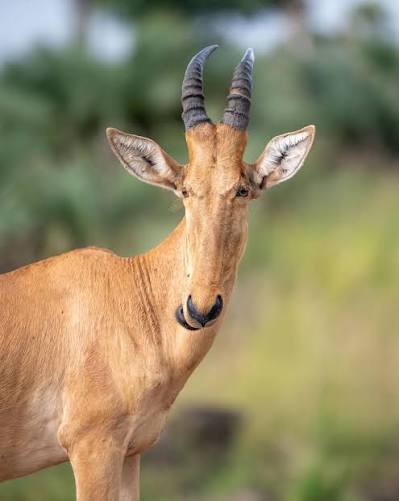
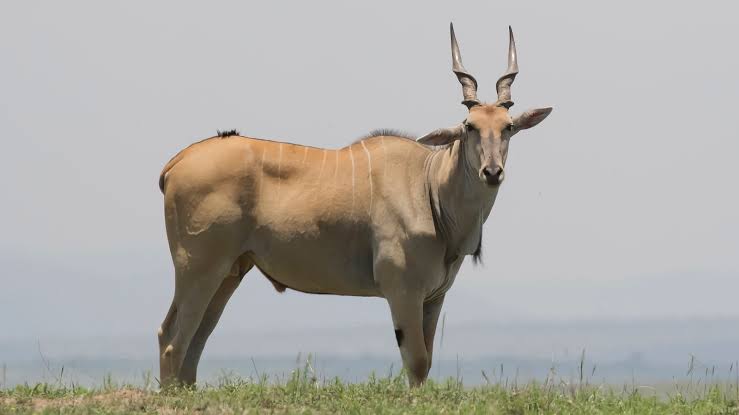
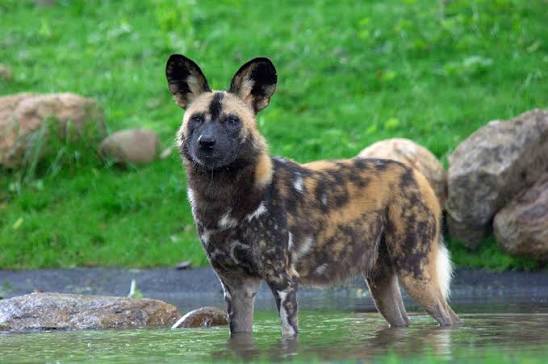
Animals to Spot in Ngorongoro Crater
Gates & Access
Ngorongoro sits roughly 180 km (about 3 hours by road) west of Arusha via Karatu, making it a natural link between Lake Manyara or Tarangire and the Serengeti further west. Access down onto the crater floor itself is via dedicated descent and ascent roads, with vehicles limited to a maximum of six hours on the floor per visit.
Lodoare Gate
The main entrance to the Ngorongoro Conservation Area, about 140 km from Arusha via Karatu — the natural route for most visitors and where entrance permits are issued.
Naabi Hill Gate
Marks the boundary between the Ngorongoro Conservation Area and Serengeti National Park — the route onward for itineraries continuing west.
The Rest of the Conservation Area
Olduvai Gorge
Often called the “Cradle of Mankind,” this steep-sided ravine on the Serengeti plains is where Mary and Louis Leakey uncovered some of the earliest known human ancestor fossils, including Homo habilis. A small on-site museum tells the story — an easy stop on the way to or from the Serengeti.
Empakaai & Olmoti Craters
Lesser-known volcanic craters within the wider Crater Highlands, reachable on foot with an armed ranger — a quieter, off-the-beaten-path alternative for travelers who've already done Ngorongoro itself.
What to Know Before You Go
Activities
Game drives across the crater floor, guided nature walks along the rim, and visits to Maasai villages. Most itineraries pair a full day on the crater floor with a night on the rim or nearby.
What to Pack
The rim sits above 2,200 meters and gets genuinely cold at night and in the early morning — pack a warm layer alongside your usual safari kit: neutral clothing, sunscreen, binoculars, and a camera.
Ready to Add Ngorongoro to Your Safari?
Every Kiliwarrior safari is custom and private. Tell us what you're after and we'll build an itinerary around it — including exactly how the crater fits in.