

Lake Manyara National Park
A narrow strip of rift-wall forest and alkaline lake, famous for tree-climbing lions and Africa's densest baboon population.
Small Park, Outsized Wildlife
Nestled in the northern region of Tanzania, Lake Manyara National Park is an enchanting blend of diverse ecosystems and vibrant wildlife. Despite its smaller size, the park showcases a rich variety of animals and breathtaking landscapes, ensuring an unforgettable safari experience.
The park is a narrow strip of land squeezed between the towering wall of the Great Rift Valley escarpment to the west and the shimmering, alkaline waters of Lake Manyara to the east — a compact ecosystem that packs groundwater forest, acacia woodland, grassy floodplain and open water into a single, easy day trip.
Explore Lake Manyara on the Map
Tap a marker to see gates, landmarks and water features — and switch on the park boundary to see how this narrow strip runs along the base of the Rift Valley wall.
Map Layers
Legend
A Strip of Land Between Wall and Water
Lake Manyara National Park covers about 325 square kilometers, of which roughly 200 square kilometers is the lake itself — the park only takes in the lake's northwestern quadrant, with the rest of the shoreline falling outside its boundary. When the lake is full, water covers up to two-thirds of the park; in drought years it has been known to shrink dramatically, or even dry up almost entirely.
The Groundwater Forest
Just inside the main gate: a tall, evergreen forest of fig and mahogany fed entirely by underground springs off the escarpment — home to the park's famous canopy walkway.
The Rift Wall
The park's western edge, where the escarpment rises steeply to nearly 1,800 meters. Baobabs dot the slopes, with dense acacia woodland at its base.
The Lake & Floodplain
Open alkaline water, saline flats and grassy floodplain — the stage for the park's flamingo flocks, wildebeest herds and hippo pool.
Tree-Climbing Lions & Africa's Densest Baboon Population
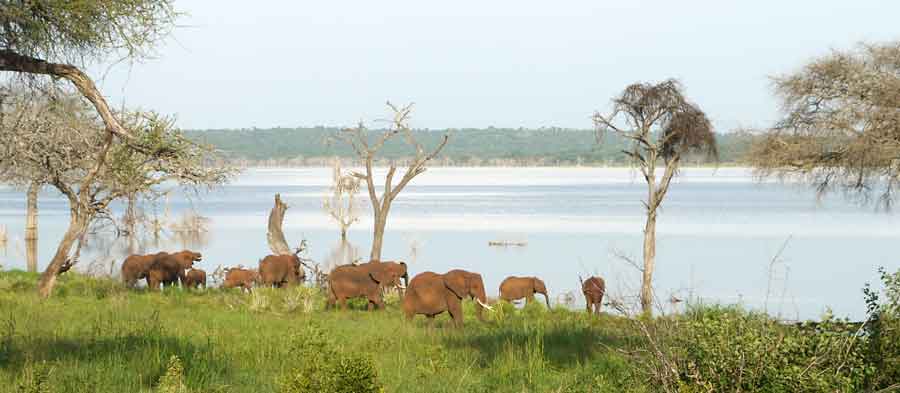
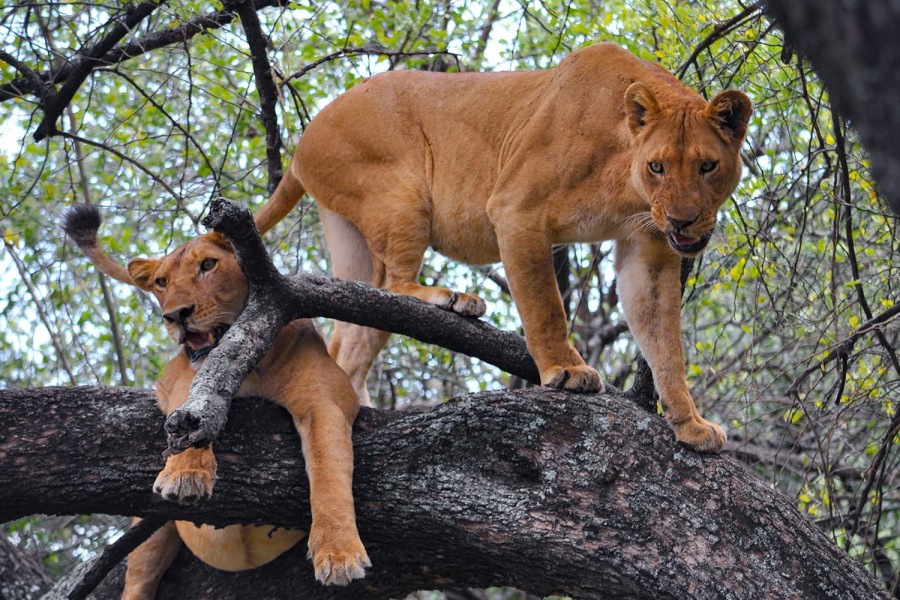
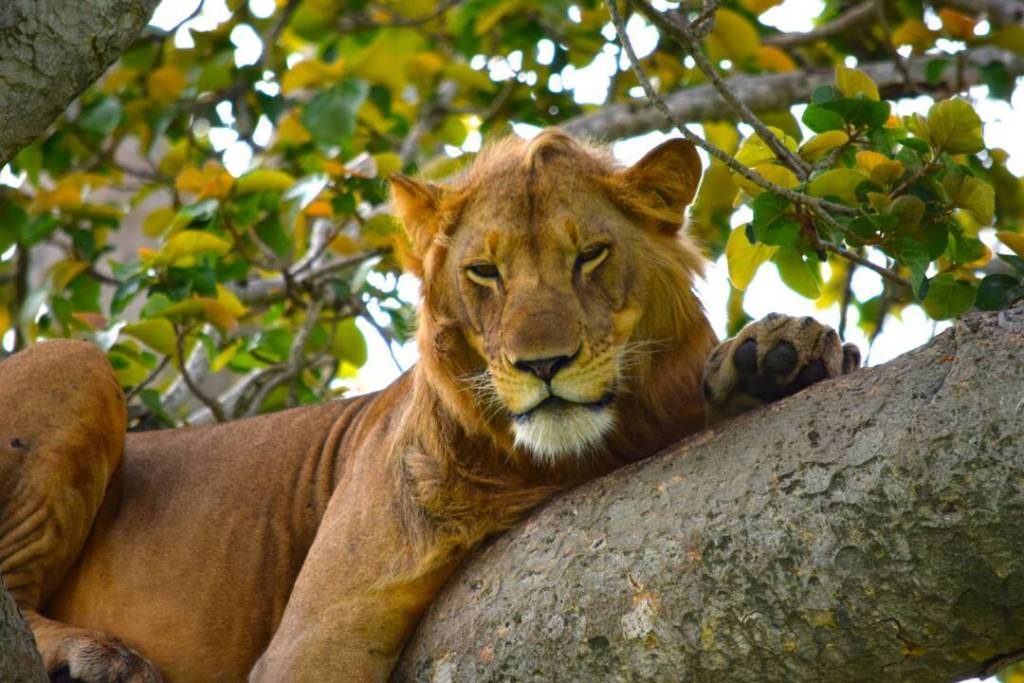
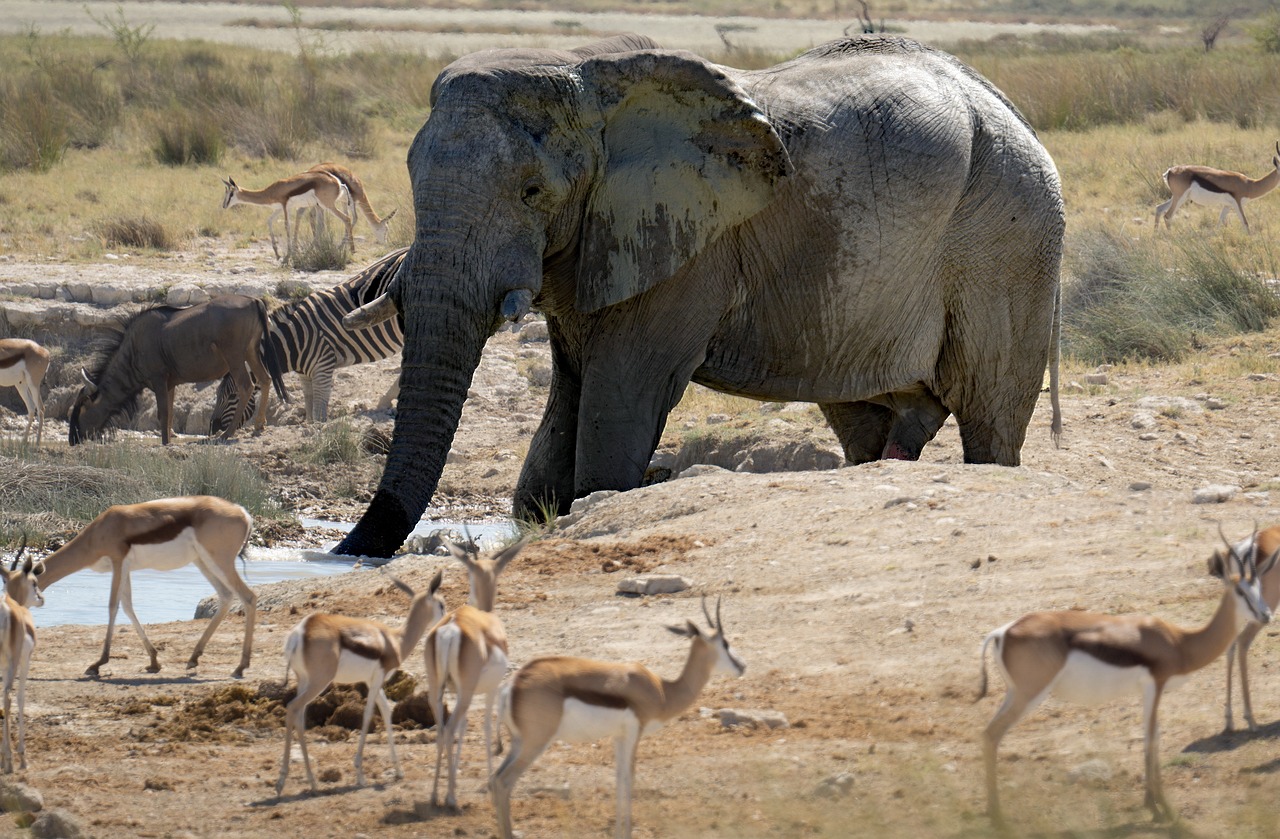
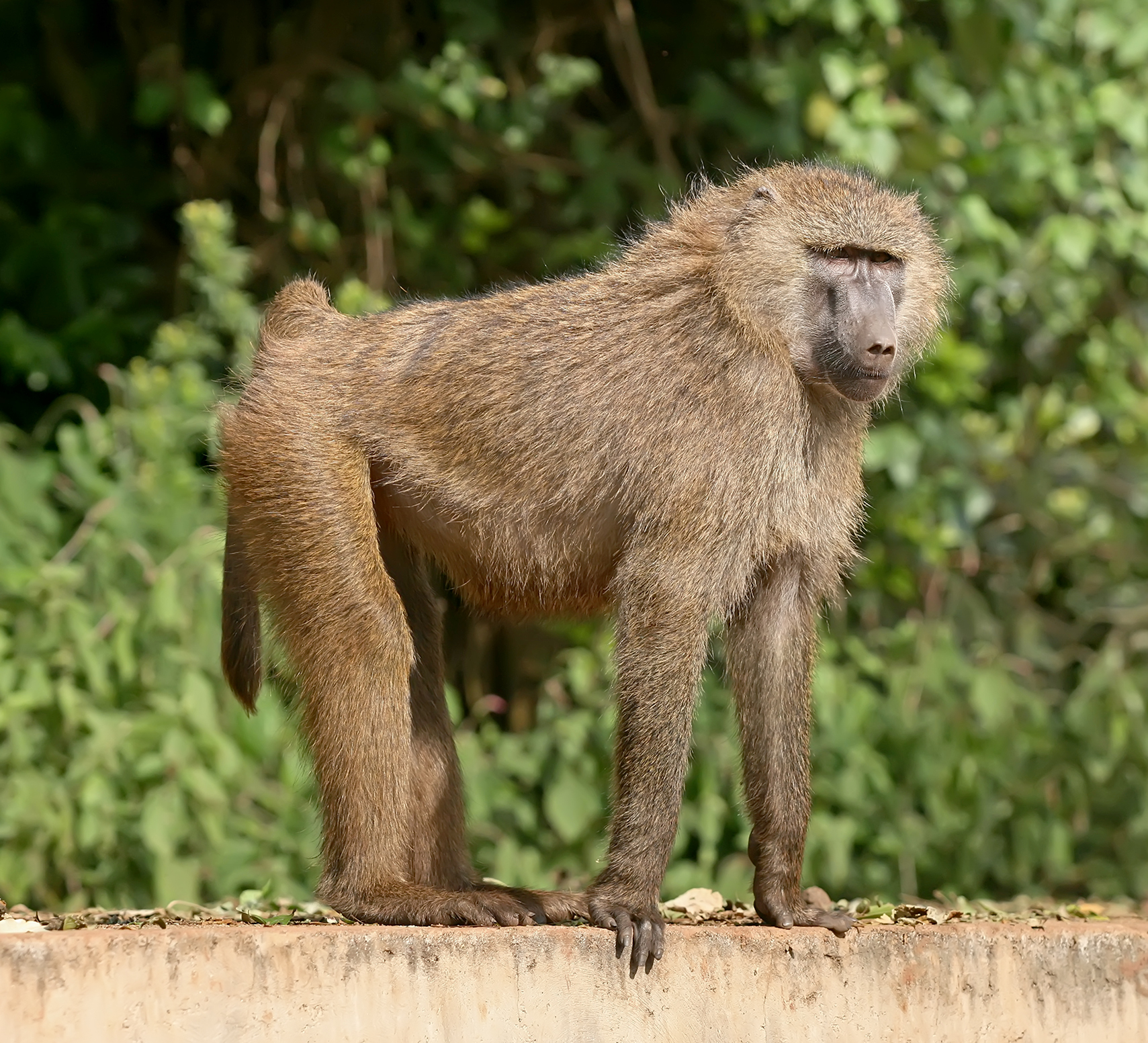
Don't be fooled by its size — the park boasts an impressive array of wildlife. Elephants flourish here, making it an excellent destination to observe these majestic creatures. Lake Manyara is famous above all for its rare population of tree-climbing lions, a behavior found in only a handful of places in Africa. The park is also a haven for baboons, hosting one of the continent's largest and most concentrated populations.
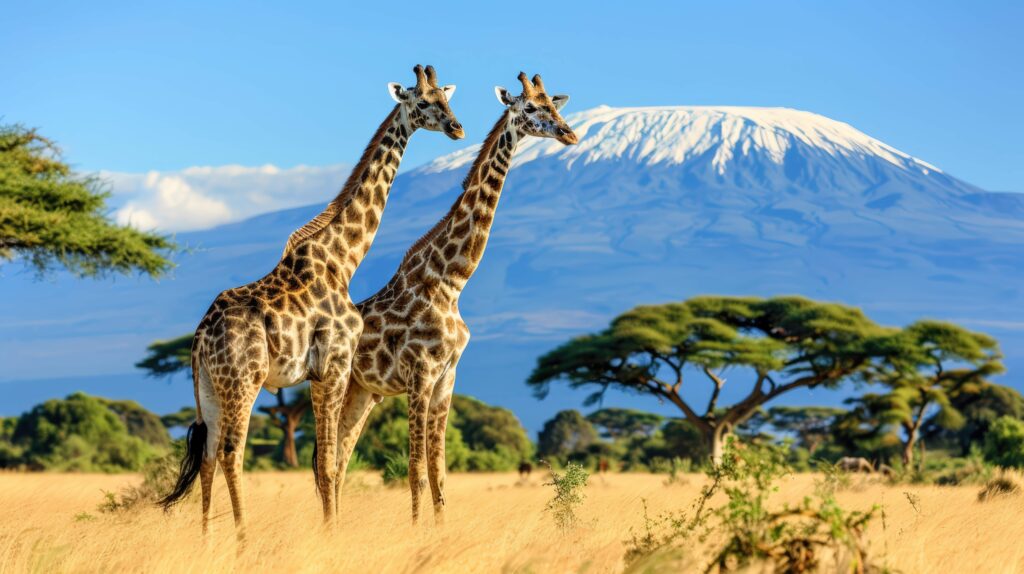
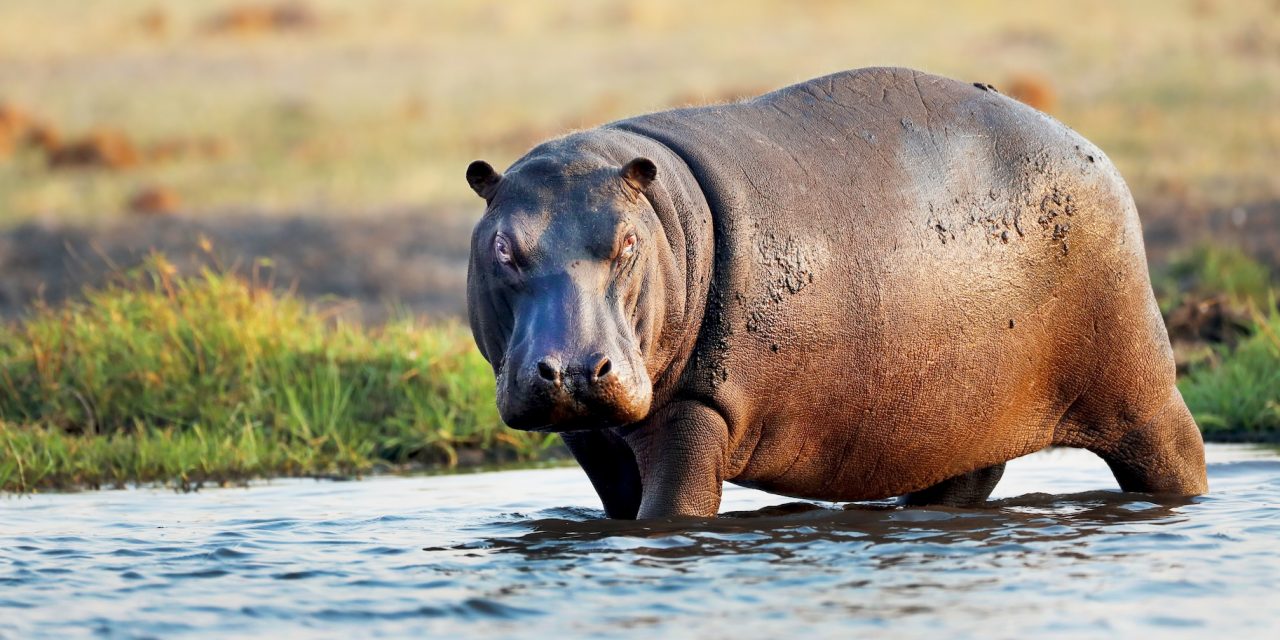
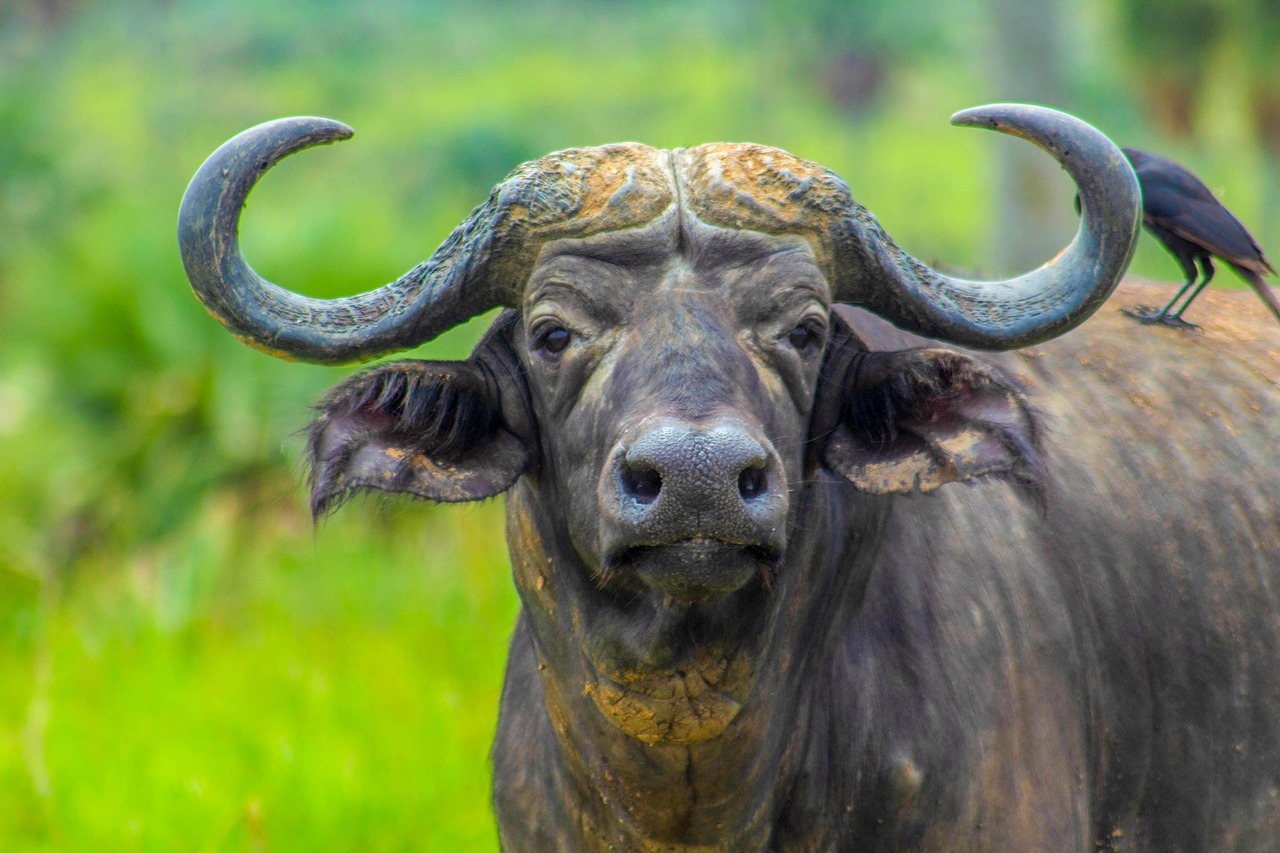
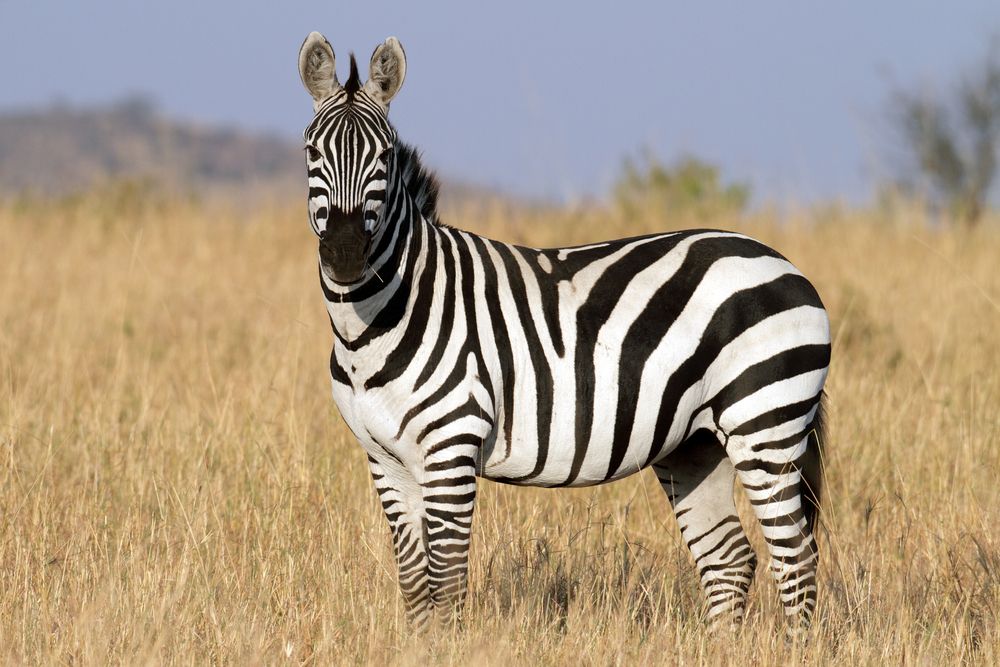
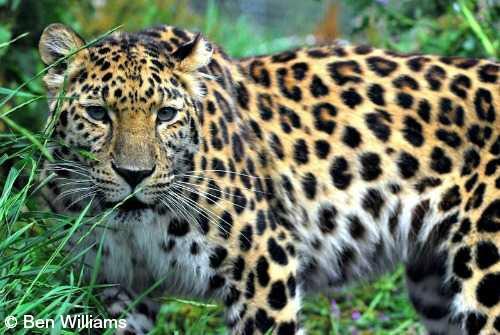
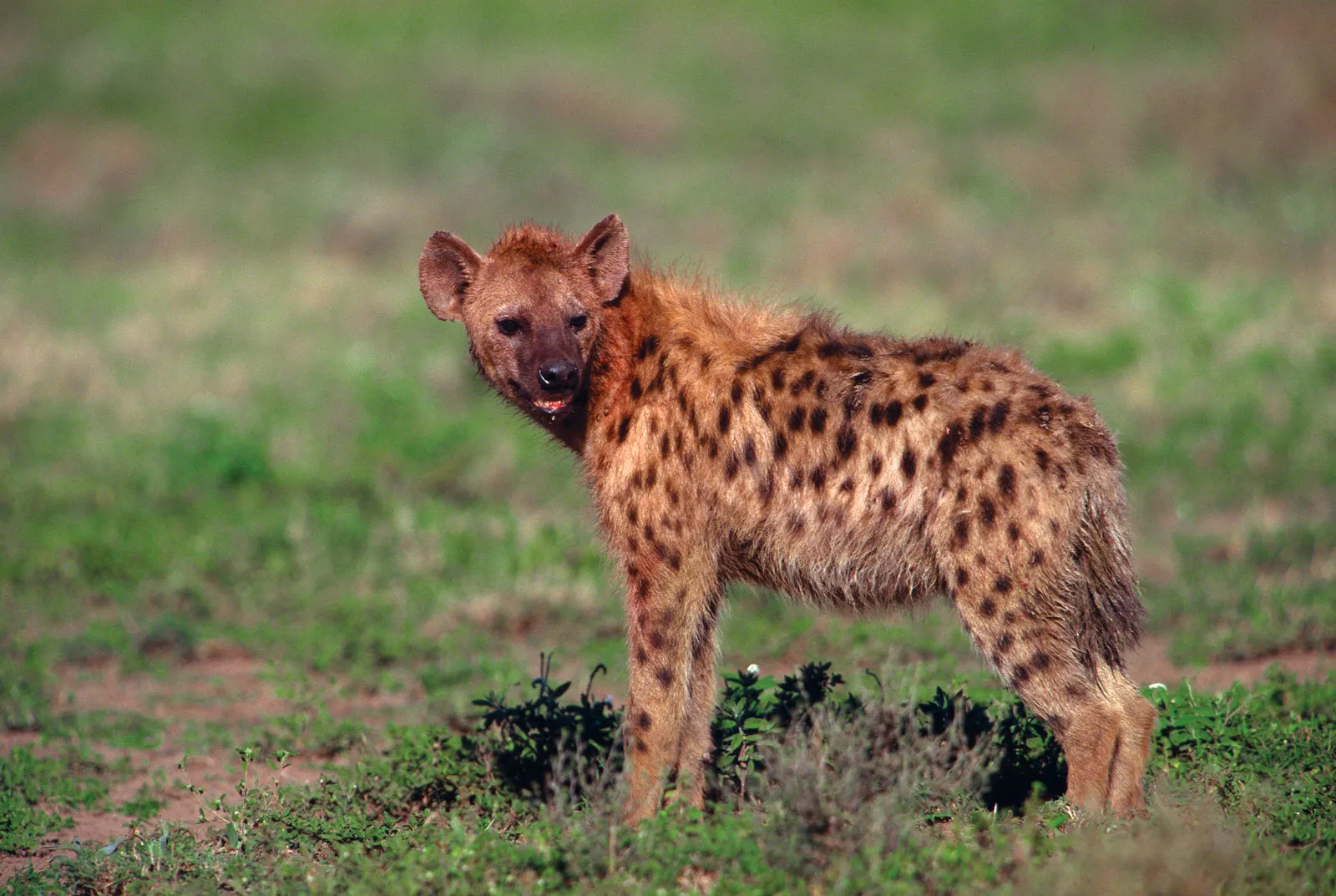
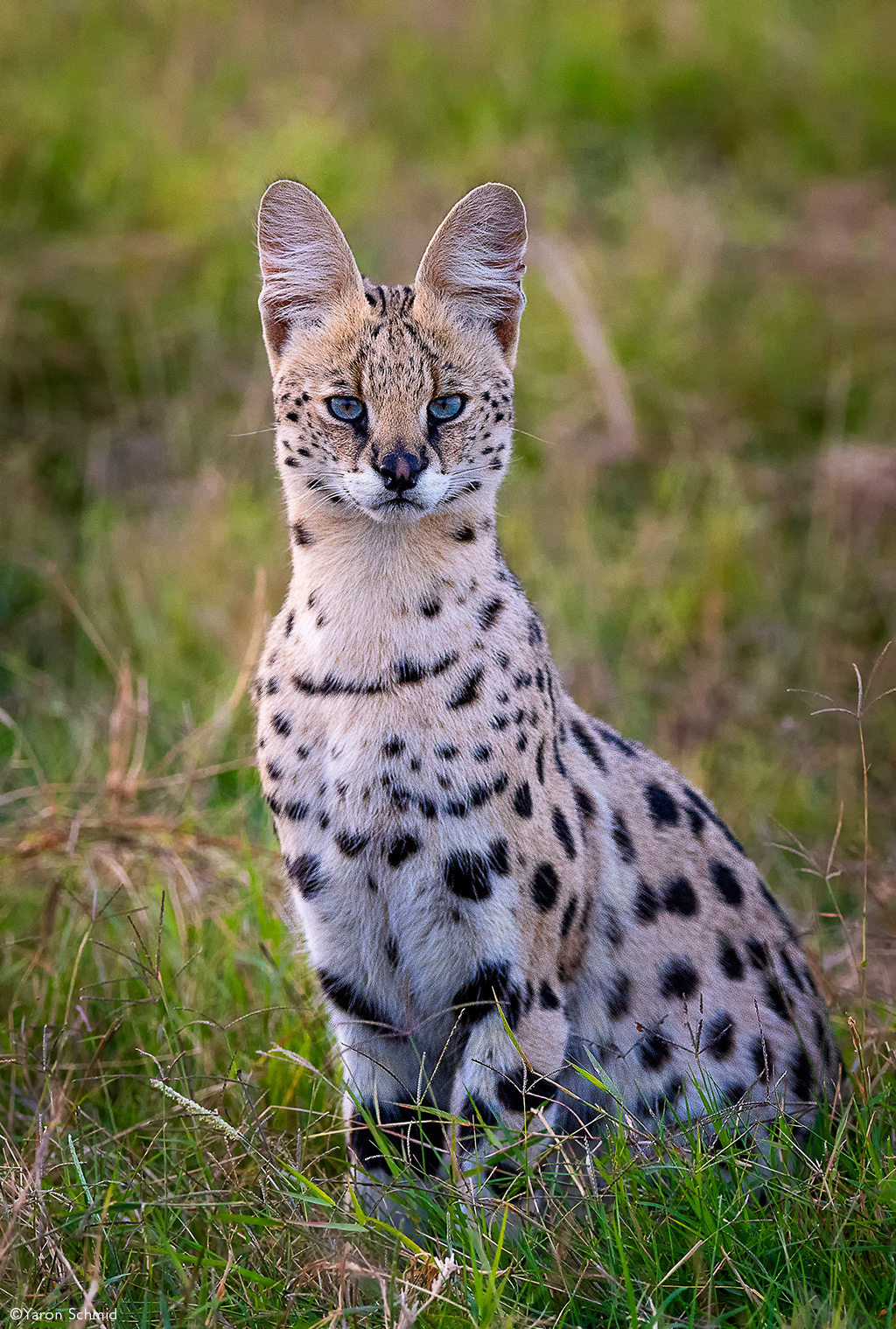
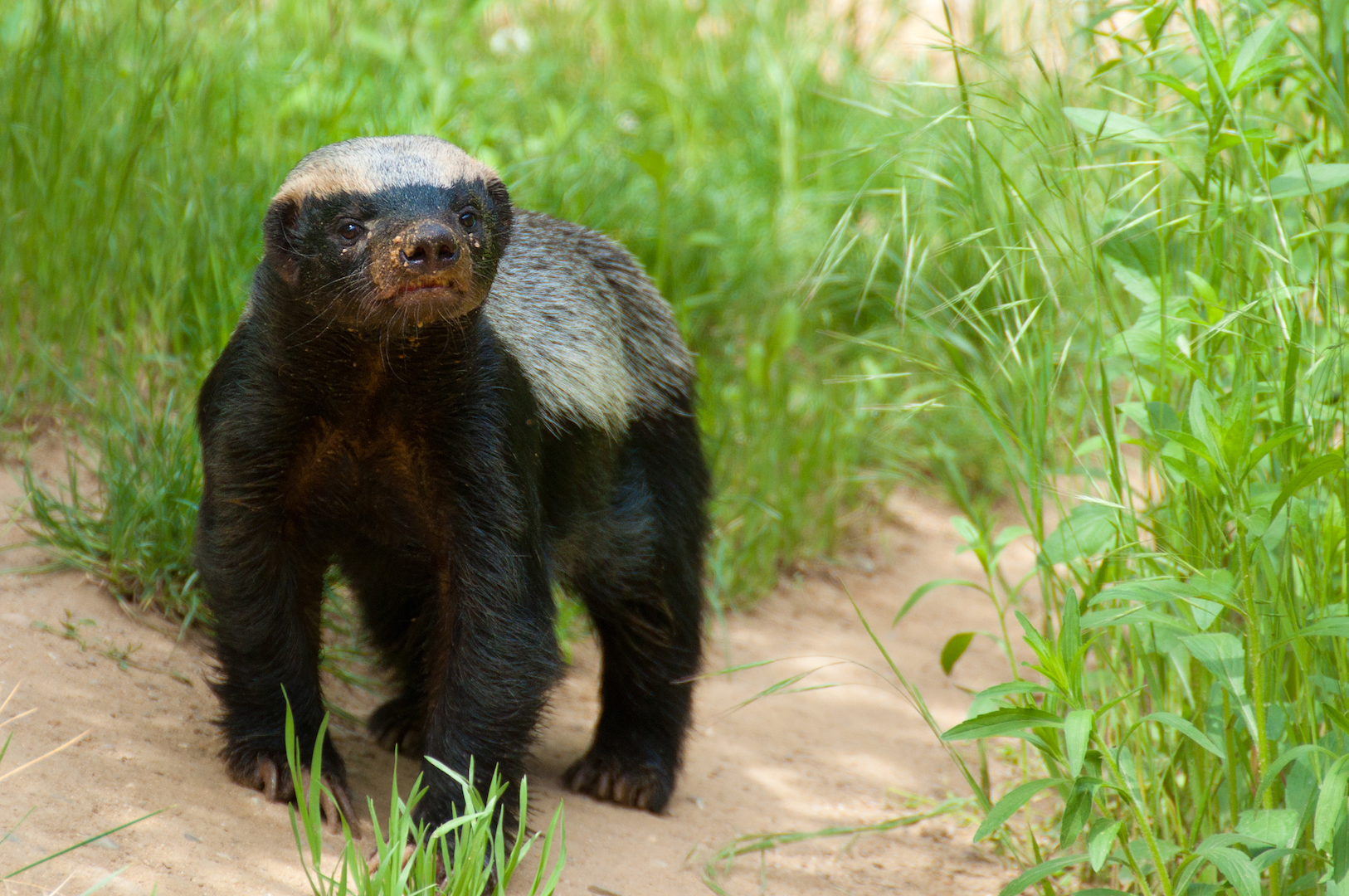
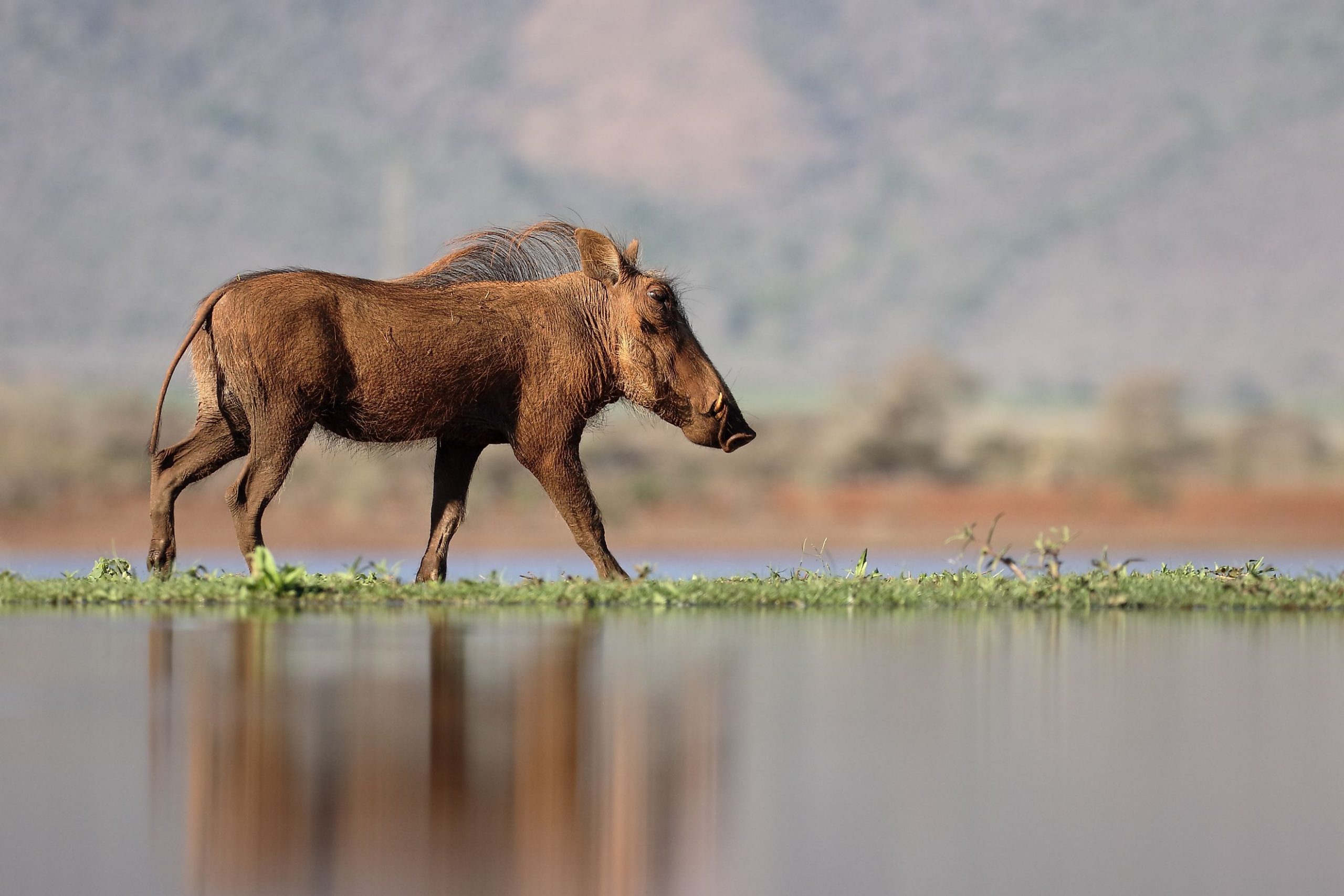
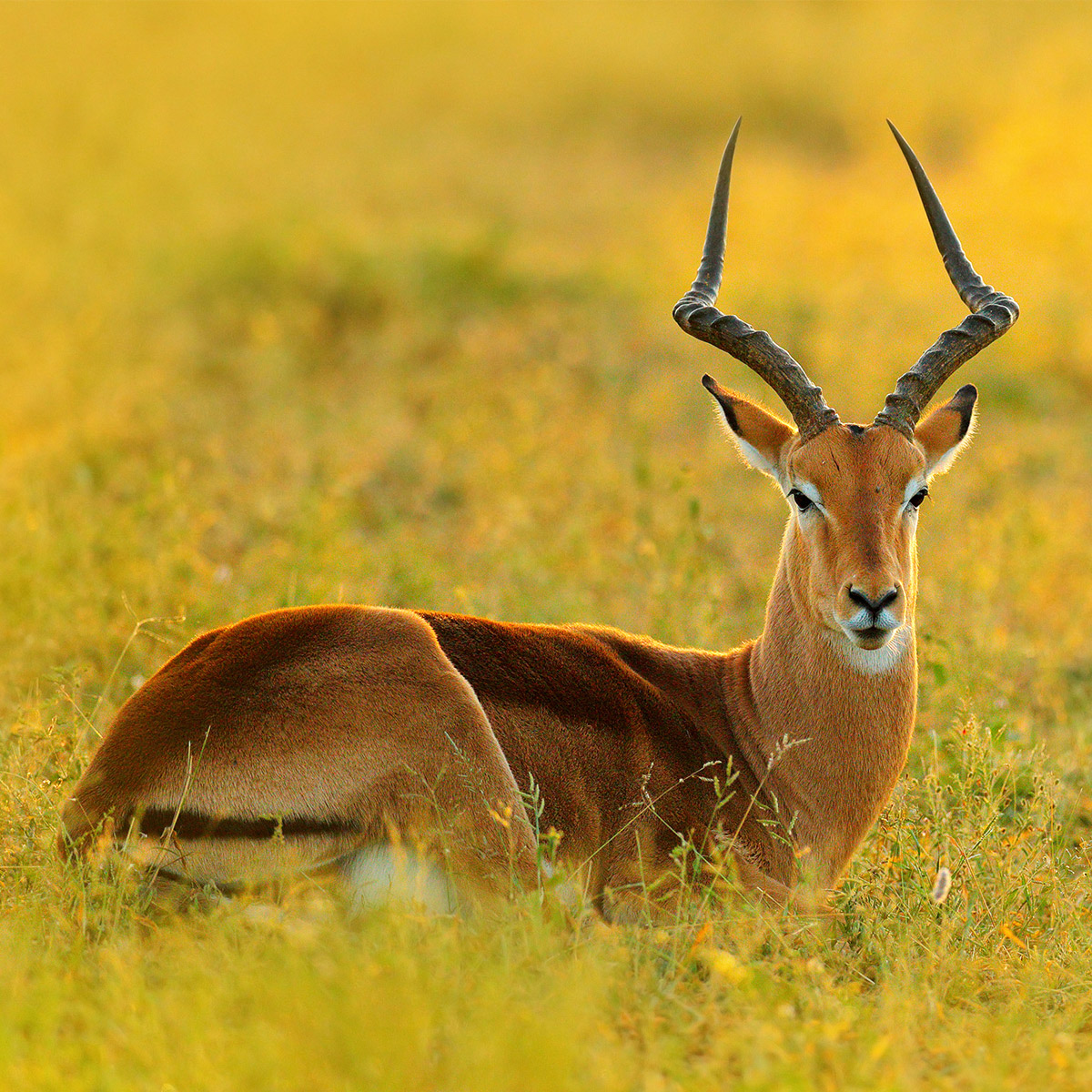
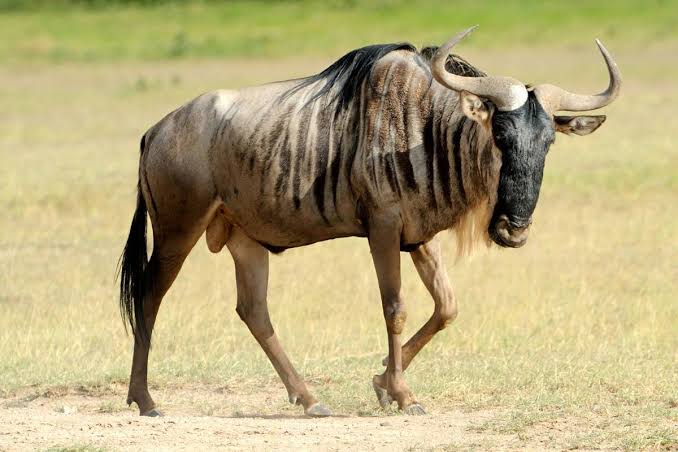
Other common sightings include zebra, wildebeest, giraffe, warthog, impala, buffalo and hippo — plus leopard, hyena, serval and honey badger among the park's more elusive predators. Black rhino once roamed here but were lost to poaching by the 1990s; cheetah and the rare African golden cat are occasionally sighted.
A Birdwatcher's Paradise
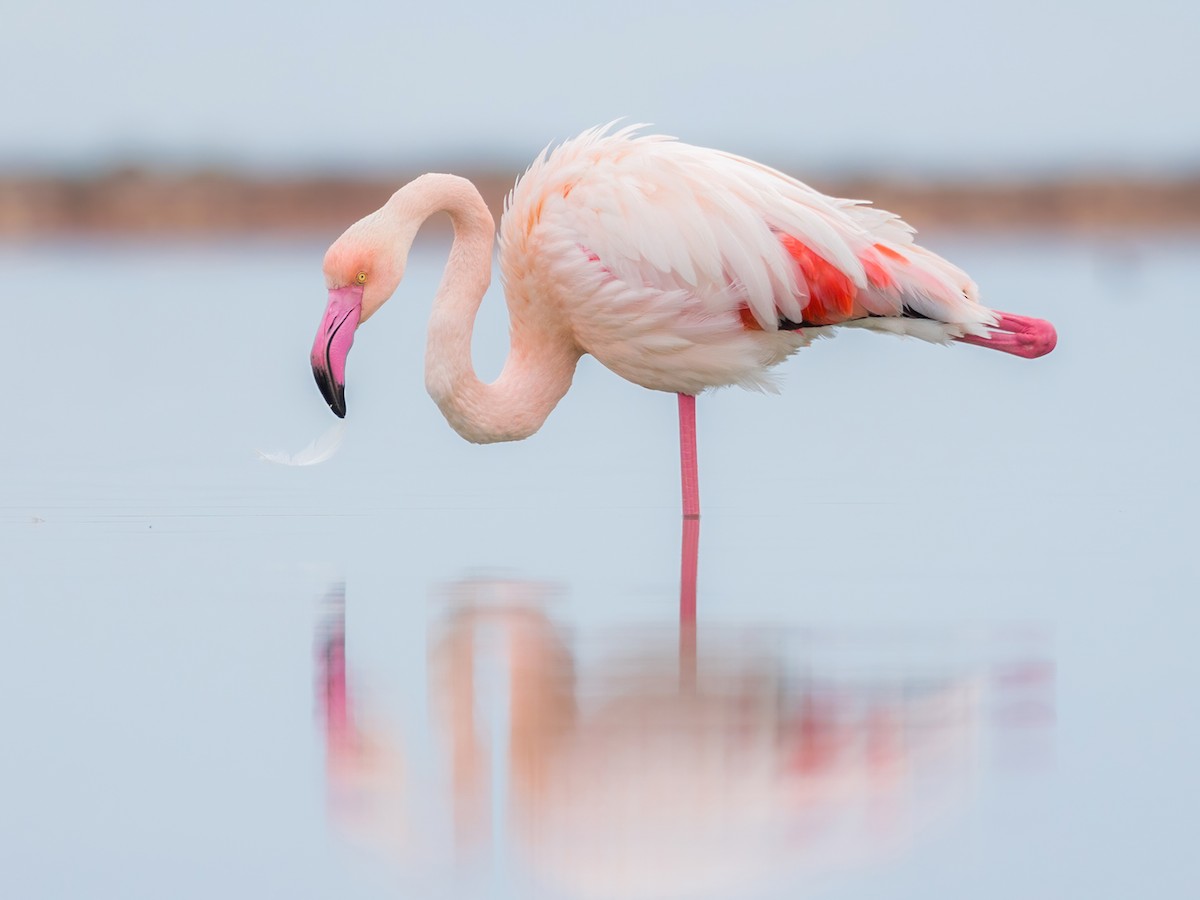
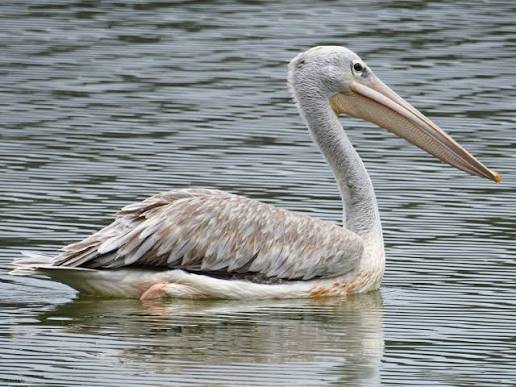
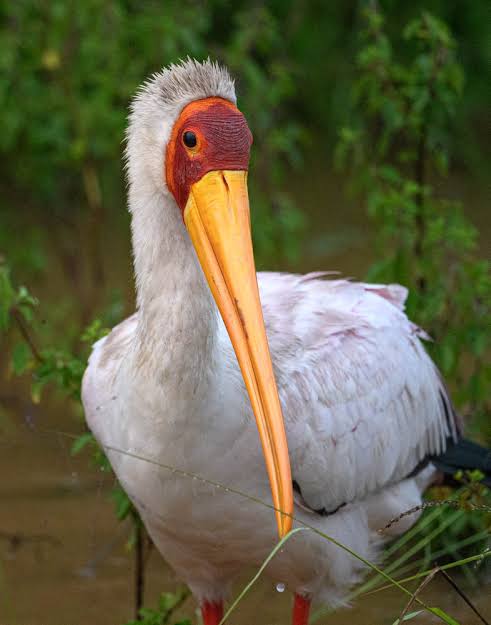
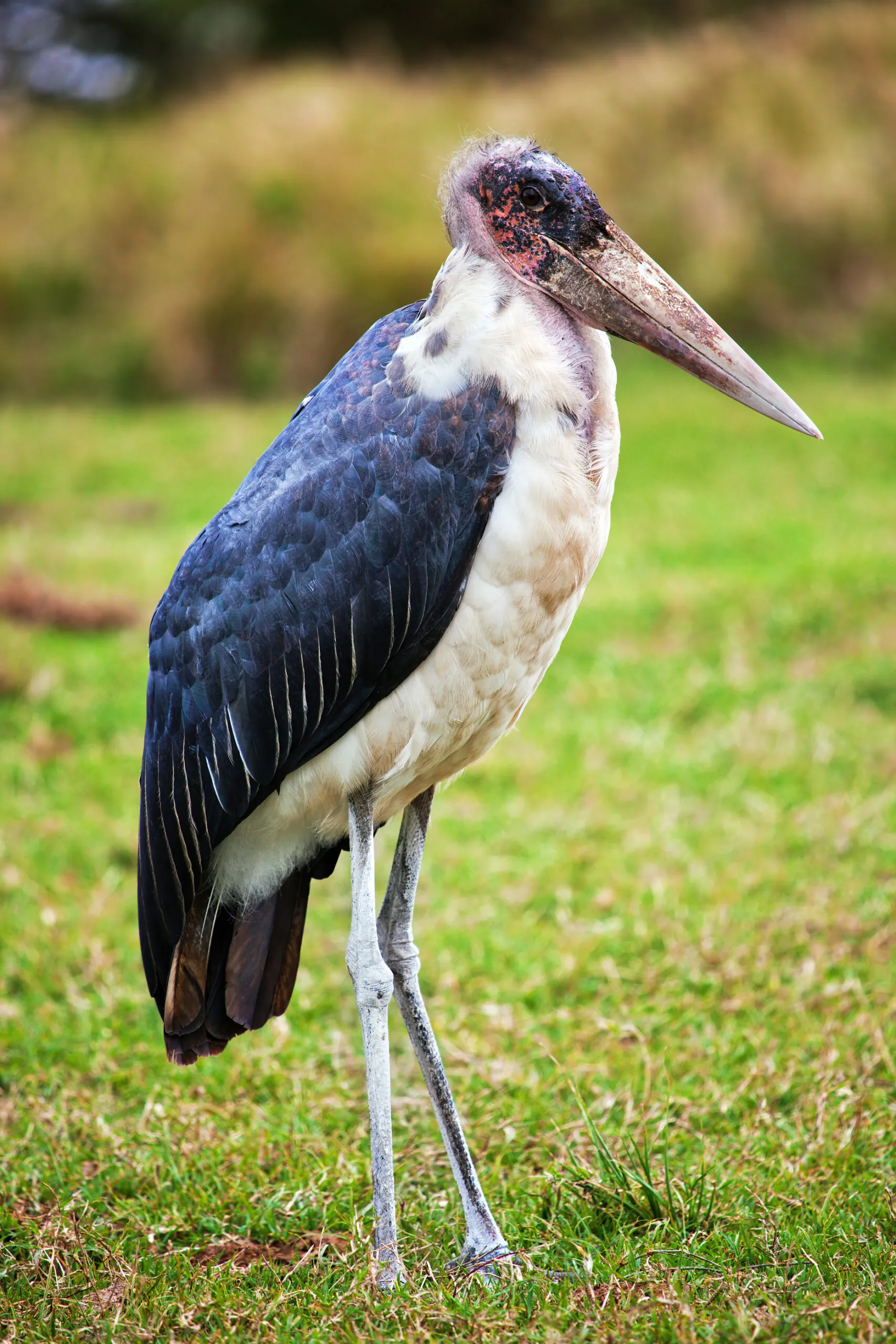
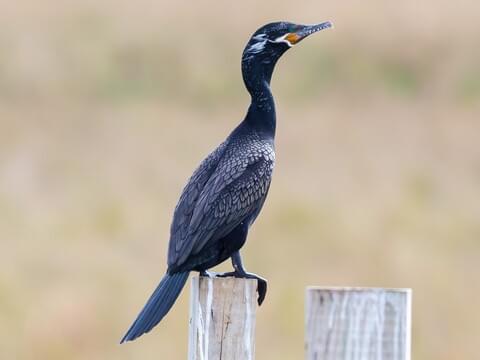
Bird enthusiasts will be delighted by the park's avian inhabitants. Lake Manyara is a birdwatcher's paradise, with over 390 recorded species including flamingo, pelican, stork and cormorant. During the wet season the lake becomes a hotbed for migratory birds — in good years, lesser flamingo flocks here have numbered well into the hundreds of thousands, drawing serious birders from around the world.
When to Visit, Month by Month
For the best game viewing, visit during the dry season when animals concentrate around the lake and remaining water sources. For birding, the wet season brings the migratory flocks that made this park famous.
Short dry spell
Good visibility
Long rains begin
Wettest month, migratory birds
Rains taper, lush and green
Wildlife gathers at the lake
Cool, clear mornings
Peak dry-season viewing
Excellent visibility
Dry season winds down
Short rains, birds return
Warm, scenic, fewer crowds
A Concentrated, Convenient Safari
Although smaller in size, Lake Manyara National Park offers a concentrated and diverse safari experience. It provides an excellent introduction to Tanzania's birdlife and a genuine shot at witnessing tree-climbing lions. The park's varied habitats, compactness, and proximity to Arusha and the rest of the northern circuit make it a convenient and rewarding addition to any itinerary — often paired with Tarangire or Ngorongoro on the way in or out.
Prepare to be captivated by Lake Manyara's stunning scenery and the remarkable array of wildlife it harbors. It's an unspoiled gem that rewards explorers, birders and nature enthusiasts with a dazzling display of nature in a fraction of the driving time other parks demand.
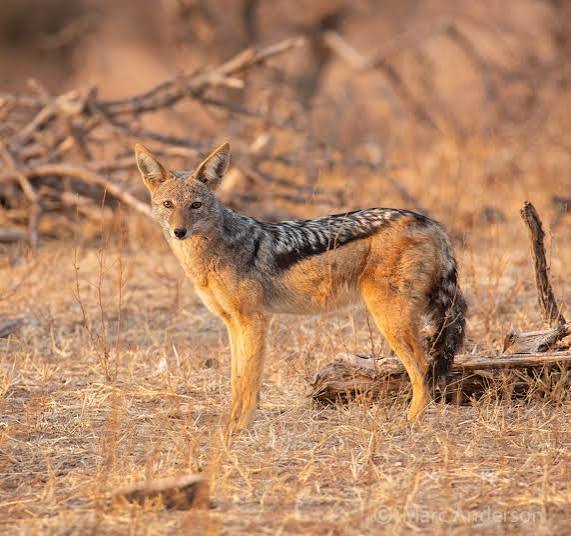
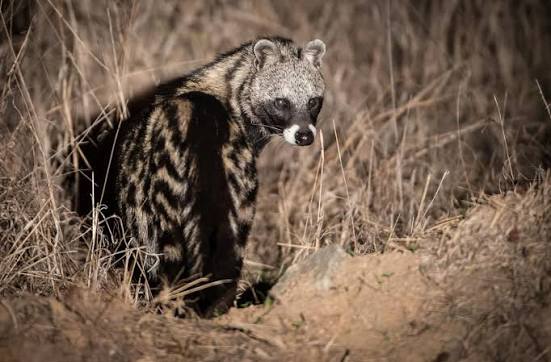
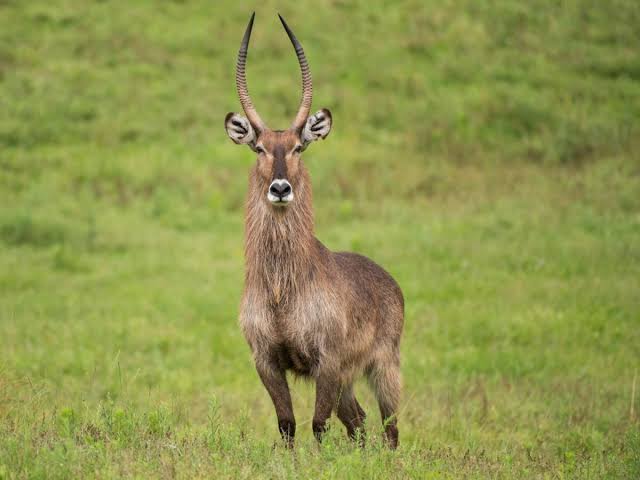
Animals to Spot in Lake Manyara National Park
Gates & Access
Lake Manyara sits about 126 km (roughly 1.5 hours by road) southwest of Arusha via Mto wa Mbu, making it one of the most convenient parks on the northern circuit to reach — and a natural first or last stop on a route that also takes in Tarangire and Ngorongoro.
Main Gate (Mto wa Mbu)
The primary entrance, right beside the groundwater forest and canopy walkway — the starting point for almost every visit.
Maji Moto Gate
A secondary entrance near the hot springs at the park's southern end, less commonly used and typically reserved for special arrangements.
Ready to Add Lake Manyara to Your Safari?
Every Kiliwarrior safari is custom and private. Tell us what you're after and we'll build an itinerary around it — including exactly how Lake Manyara fits in.